Sweetened condensed milk – ingredient analysis, prices, and homemade production methods. How to make it yourself in the kitchen?
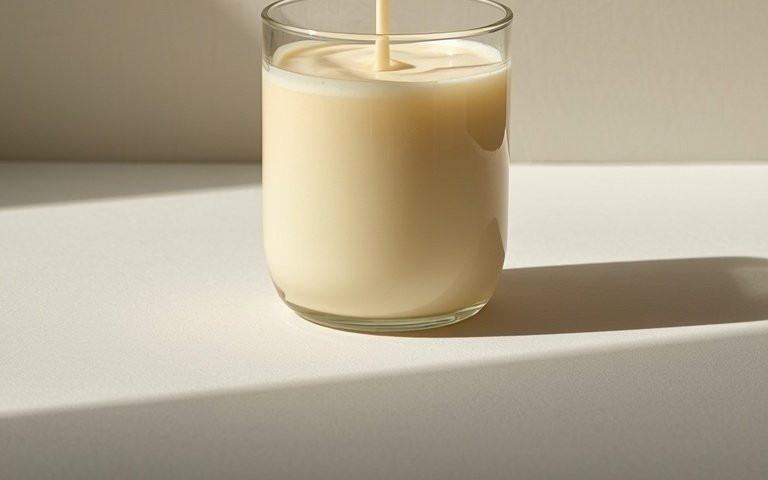
Table of Contents 5
Medical & Editorial Disclaimer (§3 Terms): This article is for informational and educational purposes only, does not constitute medical advice, diagnosis, or treatment, and is used at your own risk. Consult a qualified physician for medical conditions.
The content covers the qualitative distinctions between unsweetened evaporated milk and sweetened varieties, explaining the physiological and technical mechanisms of low-temperature vacuum evaporation. By removing water and incorporating sucrose as a natural stabilizer, manufacturers achieve a uniform, dense emulsion that serves as the foundation for authentic confectionery spreads.
Practical takeaways encourage readers to try preparing homemade condensed milk and artisanal caramel spreads from scratch in their own kitchens. This approach allows for complete control over ingredients, ensuring an additive-free and cost-effective way to elevate traditional baked goods and desserts.
For many, nostalgic culinary memories revolve around the rich sweetness of cream-layered wafer cakes and velvety caramel pastes crafted from condensed milk. This comprehensive guide examines the manufacturing technology behind condensed milk, its nutritional profile, market pricing, and practical kitchen methods for crafting pure, additive-free homemade versions and authentic dulce de leche.
What is Condensed Milk and How is it Produced?
Condensed milk is an evaporated dairy product manufactured by removing approximately 60% of water from whole or skimmed milk under low-temperature vacuum evaporation (55–60°C). This gentle thermal treatment minimizes nutrient denaturation and prevents scorching.
Standard industrial processing includes pasteurization, fat standardization, and high-pressure homogenization to achieve a uniform emulsion. In sweetened condensed milk, sucrose is dissolved prior to packaging, which acts as a powerful osmotic preservative, inhibiting bacterial proliferation naturally without synthetic chemical additives.
Nutritional Composition: Sweetened, Unsweetened, and Flavored Varieties
Commercial condensed milks vary significantly in caloric density and macronutrient distribution:
- Unsweetened evaporated milk (7.5–8% fat): Yields approximately 130–140 kcal per 100 g with 25% dry dairy solids. Food additives such as sodium phosphates (E339) are commonly included as stabilizers. Used predominantly in coffee and culinary sauces.
- Sweetened condensed milk (8% fat): Delivers approximately 320–330 kcal and 55 g of sugars per 100 g. Its ingredient list is purely milk and sucrose.
- Flavored squeeze tubes (caramel, chocolate): A 150 g tube delivers around 500 kcal, representing an intensive dose of simple carbohydrates that should be strictly moderated.
- Light evaporated formulations (4% fat): Lower in lipids, yet carbohydrate content remains prominent.
Market Price Breakdown and Economic Assessment
Market pricing trends illustrate clear economic tiers:
- Unsweetened evaporated milk (500 g carton): €1.20 – €1.80
- Sweetened condensed milk (530 g can): €1.60 – €2.30
- Sweetened squeeze tubes (150 g): €0.90 – €1.40
- Commercial ready-made dulce de leche/caramel spreads (400 g): €2.20 – €3.20
Simmering a standard can of sweetened condensed milk at home yields authentic, additive-free caramel at a 25% lower cost compared to processed confectionery spreads.
How to Make Homemade Condensed Milk from Scratch
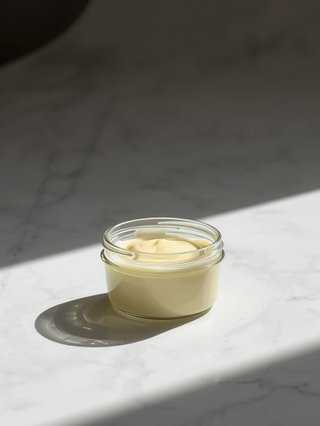
Crafting homemade condensed milk is straightforward using either of two dependable methods:
Method 1: Whole Milk Evaporation (Traditional)
- Pour 800 ml of whole milk into a wide, heavy-bottomed pan and stir in 250 g of sugar (or xylitol for a reduced glycemic index).
- Bring to a gentle simmer over low-medium heat.
- Allow the mixture to reduce for 45 to 55 minutes, whisking frequently to prevent caramelization on the base.
- Once volume reduces by half and adopts a pale honey hue, incorporate 30 g of butter, simmer for 3 minutes, then chill in the refrigerator to thicken.
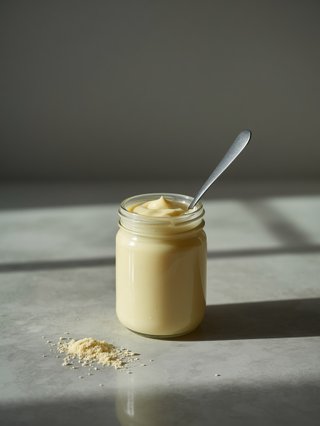
Method 2: Quick Milk Powder Method
- Dissolve 200 g of sugar in 200 ml of boiling water with 50 g of unsalted butter.
- Gradually blend in 200 g of whole milk powder using an immersion blender until silky smooth.
Classic Recipes: Homemade Dulce de Leche and Wafer Layer Cakes
Homemade cream from a can (water bath method):
- Factory-sealed can of sweetened condensed milk without paper label.
- Place the can horizontally in a tall pot, cover completely with water (so that the can is at least 3 cm below the water surface), and cover with a lid.
- Cook on low heat for 2 to 2.5 hours, regularly topping up with boiling water.
- Let the can cool completely in the pot before opening – opening a hot can risks burns!
Waffles with cottage cheese filling and dried fruits:
Spread the chilled kajmak filling between the next layers of wafer sheets. Wrap the finished block in parchment paper, weigh it down with a cutting board, and refrigerate for 2–3 hours to allow the wafers to fully set with the cream.
Want to apply these guidelines in your daily diet?
Our smart diet generator creates a tailored meal plan in 3 minutes based on the recommendations in this article.

mgr Tim Klein
Diets Premium Expert
Diets Premium team expert. Specializes in nutrition plans, strength sports, and training plans.