4 min read
Strawberries and Threats to the Circulatory System

1 photo
853
Smart Voice
AI
0:00
0:00
Listen to the article content live
Table of Contents 5
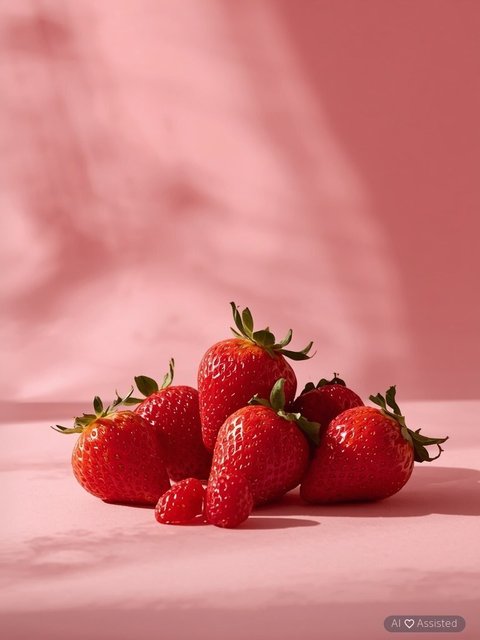
According to the Polish Cardiological Society, diseases of the circulatory system are the main cause of premature death in Poland (death before reaching the age of 65). It is possible to effectively reduce the risk of developing such conditions through daily exercise and adopting a healthy diet. Strawberries and other berries can play a significant role in such a diet.
01 / 05
Determinants of cardiovascular risk: modifiable and non-modifiable factors in cardiac prevention
The pathogenesis of cardiovascular disorders is influenced by a spectrum of determinants that may be broadly categorized into two distinct groups: those amenable to preventive intervention and those that remain inherently unalterable. Advancing age correlates with a progressive escalation in the likelihood of developing circulatory system dysfunctions, with epidemiological data indicating a disproportionately higher prevalence among males compared to females, as well as in individuals with a familial predisposition to coronary artery disease or atherosclerotic vascular changes. Among the pivotal modifiable risk constituents are: chronic tobacco smoking, dietary patterns characterized by excessive intake of saturated and trans fats, sustained hypertensive states, lipid metabolism disorders manifested by elevated low-density lipoprotein cholesterol and triglyceride concentrations, and an elevated body mass index indicative of overweight or obesity. Compelling evidence emerges from the large-scale Iowa Women’s Health Study, which documented a statistically significant association between habitual strawberry consumption and diminished cardiovascular mortality rates in postmenopausal female participants (reference: Mink P.J. et al., 2007). What scientific rationale exists to substantiate the hypothesis that these berry fruits exert a cardioprotective effect, and through what biochemical pathways might such benefits be mediated?
02 / 05
Bioactive chemical constituents found in strawberries and their prospective health benefits
Strawberries are distinguished not only by their elevated concentrations of select vitamins—particularly ascorbic acid and folates—but also by the presence of a diverse array of compounds exhibiting documented biological activity. Among the most significant are phenolic acid derivatives (including hydroxycinnamic and hydroxybenzoic acids) as well as flavonoids, with anthocyanins playing a predominant role. Emerging research indicates that these bioactive constituents may enhance cellular antioxidant defense mechanisms, attenuate the severity of inflammatory responses, and mitigate the risk of uncontrolled genetic mutations. Owing to these properties, strawberries—alongside other berry fruits—are increasingly recognized for their potential prophylactic effects against a spectrum of chronic conditions, including metabolic disorders (e.g., type 2 diabetes), depressive episodes, malignant neoplasms, neurodegenerative diseases (such as Alzheimer’s and Parkinson’s), and cardiovascular pathologies.
03 / 05
The impact of regular strawberry consumption on cardiovascular parameters: a review of clinical trial findings
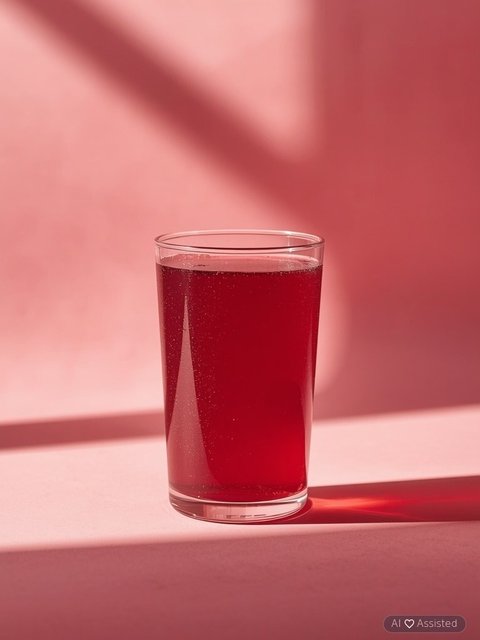
A groundbreaking study led by A. Basu and colleagues sought to assess how the systematic incorporation of strawberries into daily dietary patterns might modify key risk indicators for cardiovascular disease. The trial enrolled thirty adult participants who had been previously diagnosed with metabolic syndrome—a condition characterized by the coexistence of multiple metabolic abnormalities, including insulin resistance, hypertension, and dyslipidemia. Participants were randomly assigned to either an intervention group or a control group. Over an eight-week period, those in the intervention cohort consumed a daily beverage containing fifty grams of freeze-dried strawberry powder, equivalent to five hundred grams of fresh fruit, while the control group received an identical volume of plain water. Upon completion of the intervention, researchers observed a statistically significant reduction in total cholesterol and low-density lipoprotein (LDL) cholesterol levels in the serum of the intervention group compared to the control cohort. Although these findings are promising, the authors emphasize that due to the small sample size—with a predominance of female participants—and the relatively short duration of the study, definitive recommendations regarding strawberries as an effective cardiovascular risk reduction strategy cannot yet be made. Nevertheless, these results align with other independent investigations that similarly suggest potential health benefits associated with the consumption of these fruits. For instance, a research team led by R. G. Feresin conducted a parallel study involving sixty postmenopausal women who, over an eight-week period, consumed beverages containing varying doses of freeze-dried strawberry powder (25 g or 50 g) or a placebo twice daily. Only the group receiving the 25-gram strawberry beverage exhibited a significant decrease in systolic blood pressure and an improvement in vascular elasticity. Another study by E. Park and collaborators demonstrated that consuming a strawberry-based drink prior to a meal led to lower postprandial insulin levels in adults with insulin resistance compared to control groups that received either a strawberry-free beverage or one with a reduced strawberry content. Furthermore, a meta-analysis compiled by A. Hadi and colleagues indicates that regular consumption of at least fifty grams of strawberries per day for a minimum of twelve weeks may contribute to a reduction in diastolic blood pressure, particularly in individuals with lipid disorders. Additionally, these participants exhibited lowered levels of total cholesterol and oxidized LDL cholesterol, which may hold substantial relevance in the context of atherosclerosis prevention.
04 / 05
Optimal strawberry intake in diet: How often should you consume them to protect heart health?
Epidemiological research conducted by A. Cassidy and colleagues (2013) indicates that consuming at least three servings of strawberries per week may significantly lower the risk of myocardial infarction. The study involved a cohort of over 93,000 women aged 25–42, whose dietary habits were assessed every four years over an 18-year observation period. During this time, a total of 405 myocardial infarction cases were documented within the group. Findings revealed a statistically significant inverse relationship between the frequency of anthocyanin intake—flavonoids found in strawberries and berries—and the likelihood of developing coronary heart disease. Participants who reported eating more than three servings of these fruits weekly exhibited a 32% lower risk of infarction compared to those consuming them less than once per month. The precise protective mechanism remains unclear; hypotheses include the anti-inflammatory properties of anthocyanins, their impact on lipid profiles (such as reducing low-density lipoprotein concentrations), and improvements in vascular endothelial function. Future clinical trials may provide deeper insights into the biological underpinnings of this association.
05 / 05
Optimal home-based deep-freezing techniques for preserving seasonal strawberries
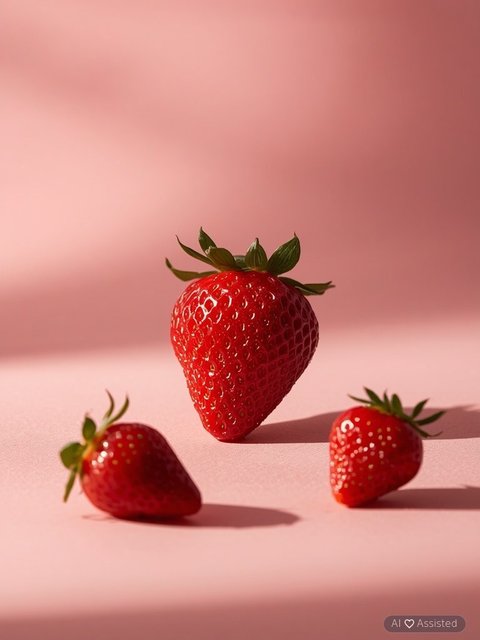
Due to their inherently seasonal nature, fresh strawberries are naturally available for only a brief window of two to three months each year. To extend access to their distinctive flavor profile and nutritional benefits beyond the harvest period, controlled freezing represents an effective preservation strategy. Prior to initiating the freezing process, the berries must be thoroughly rinsed under cool running water, followed by the careful removal of green calyxes using a sharp paring knife or kitchen shears. The prepared strawberries should then be arranged in a single layer on a flat, preferably parchment-lined surface—such as a baking sheet—ensuring adequate spacing between individual fruits to prevent contact. This arrangement is then subjected to an initial flash-freezing phase at approximately -18°C (0°F) for a duration of roughly two hours. Once the berries have achieved a semi-frozen state, they may be transferred to airtight, freezer-safe containers or specialized freezing bags designed for long-term storage. This preliminary freezing step is critical, as it prevents subsequent clumping of the fruit and facilitates convenient portioning. Incorporating strawberries and other berry fruits into a balanced dietary pattern may contribute to a reduced risk of cardiovascular diseases, provided that concurrent efforts are made to mitigate modifiable risk factors such as poor dietary habits, physical inactivity, or tobacco use.
Meal Plan
Want to apply these guidelines in your daily diet?
Our smart diet generator creates a tailored meal plan in 3 minutes based on the recommendations in this article.

Scientifically reviewed by a clinical dietitian
• 25.09.2026
mgr Emilia Szymańska
Diets Premium Expert
Diets Premium team expert. Specializes in nutrition plans, strength sports, and training plans.
USDA FoodData Central
EFSA
PubMed Clinical Guidelines