Ostomy - large intestine, small intestine... Diet for ostomy
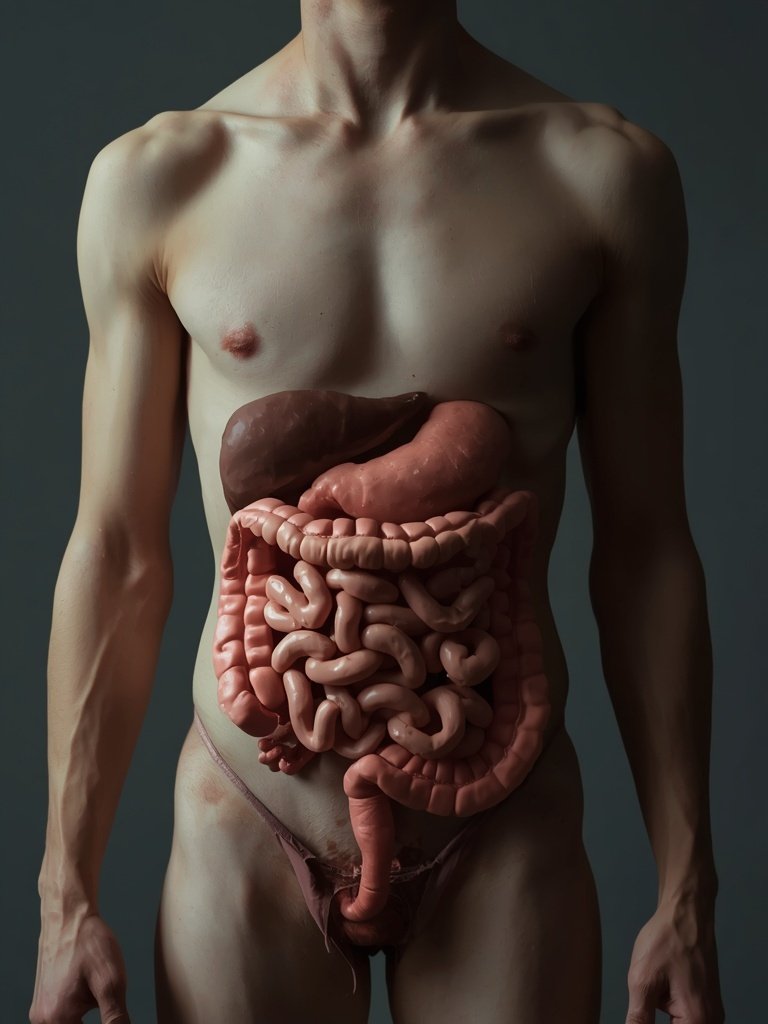

Table of Contents 4
Medical & Editorial Disclaimer (§3 Terms): This article is for informational and educational purposes only, does not constitute medical advice, diagnosis, or treatment, and is used at your own risk. Consult a qualified physician for medical conditions.
The text delves into various types of stomas, including colostomy and ileostomy, and their clinical indications. A colostomy involves diverting a segment of the large intestine, while an ileostomy pertains to the small intestine, often following the complete removal of the large intestine. With an ileostomy, the output is more liquid and voluminous due to the absence of the colon segment responsible for water absorption. Individual food tolerance after surgery can vary significantly, necessitating careful observation of the body's responses.
Practically, this means individuals with a stoma must gradually adjust their diet. It is advisable to introduce new food items cautiously and closely monitor the body's reactions. A conscious and appropriately modified approach to nutrition can help minimize discomfort and maintain a good quality of life by learning which foods are well-tolerated and which might lead to issues.
Understanding stomas in contemporary medicine: Definition, purpose, and evolving clinical relevance
Colostomy: surgical exteriorization of the colon through the abdominal wall
Ileostomy of the small intestine: Clinical indications and functional considerations
Post-stoma nutrition: tailoring dietary habits to individual physiological responses
Want to apply these guidelines in your daily diet?
Our smart diet generator creates a tailored meal plan in 3 minutes based on the recommendations in this article.
Tags

Lena Bauer
• 24.09.2026Diets Premium Expert
Diets Premium team expert. Specializes in nutrition plans, strength sports, and training plans.