PRO
8 min read
Skin dehydration – symptoms, causes, and natural care methods for dry skin
1 photo
547
Smart Voice
AI
0:00
0:00
Listen to the article content live
Table of Contents 7
PRO Content
PRO
This article is professional premium content (PRO) provided in its entirety.
"Inadequate skin hydration is the result of improper nourishment of the body or difficulties in water retention in the body, but above all, it is a symptom of many ailments. We must not forget that this is an extremely common problem in elderly people whose water management regulation is deteriorating. It is worth paying attention to any changes in our bodies, including external ones. This symptom can be quite bothersome and its elimination is not always easy. Read the article and learn more about this condition and natural remedies for dry skin relief!"
01 / 07
Dehydrated skin around the eyes, on the face, hands, and feet – causes, symptoms, and implications of xerosis
The skin serves as a critical biological barrier, shielding the body from environmental hazards such as airborne pollutants, toxic substances, and chemical irritants. However, its protective capacity is not absolute: microscopic particles measuring less than 15–20 micrometers in diameter can penetrate the epidermal layer, bypassing its defensive mechanisms. A parallel phenomenon occurs in the context of water regulation, where the skin participates in transepidermal water loss—a physiological process essential for maintaining osmotic balance and cellular function. Without this regulatory mechanism, cells would lose their supple elasticity, becoming brittle and prone to structural damage.
An imbalance in the skin’s hydro-lipid mantle, clinically termed *xerosis cutis*, represents a widespread dermatological concern, affecting approximately 39% of the population. It most frequently manifests in areas subjected to persistent external stressors: the face (due to continuous exposure to ultraviolet radiation, wind, or artificial air conditioning), the periocular region (where the skin is thinnest and lacks sebaceous glands, rendering it highly susceptible to dehydration), and the hands and feet. On the feet, xerosis often presents as painful heel fissures, which can impair mobility and create an entry point for secondary bacterial or fungal infections.
02 / 07
Clinical manifestations of dry skin – symptoms and associated indicators
Dry skin is clinically identified by flaking, roughness, and the presence of fine fissures across its surface, lending it an uneven, ashen appearance. Individuals typically report sensations of burning, stinging, or persistent itching, with affected regions frequently developing erythema. The underlying cause is most often a compromised epidermal barrier—particularly within the stratum corneum—resulting in excessive transepidermal water loss (*TEWL*). Additional manifestations may include painful angular cheilitis at the corners of the mouth (commonly referred to as "cracked lips") as well as whitish, scaly plaques on the elbows and knees that gradually darken over time. These symptoms can sometimes indicate endocrine disorders, including thyroid dysfunction. In early stages, reduced skin elasticity and heightened visibility of individual epidermal scales become apparent, leading to an unhealthy complexion that prematurely ages the individual’s appearance.
03 / 07
The underlying causes of excessive skin dryness: A comprehensive examination of mechanisms and contributing factors
Excessive dryness of the skin arises as a consequence of a multifaceted interplay between biological processes and external influences. A pivotal role is played by the depletion of structural lipid components within the skin, particularly in the stratum corneum of the epidermis, where critical constituents such as unsaturated fatty acids, ceramides, and cholesterol esters are lost. This depletion not only amplifies reactivity to irritating stimuli but also enhances the inflammatory potential of the skin. Equally significant are disruptions in the keratinization process—an imbalance in this biochemical reaction fosters progressive desiccation of the skin, manifesting as visible flaking and the formation of characteristic "scales" of dead epidermal cells. Furthermore, the destruction of protein-lipid membranes ensues, compromising the skin’s barrier function. Among the predisposing factors, genetic predispositions—including ethnic variations—are notable, as they influence individual susceptibility to dryness. Environmental factors also play a critical role, including the penetration of harmful chemicals and allergens, as well as exposure to adverse climatic conditions such as low humidity (induced by air conditioning, desert climates) or seasonal cold snaps. Particularly damaging is contact with harsh detergents, high-pH soaps, and surfactants, which directly damage epidermal structures and accelerate dehydration. Frequent hot baths further exacerbate this effect. Additionally, chronic inflammation within the epidermis leads to the formation of a poorly structured stratum corneum, resulting in a thinner, less effective protective barrier—with profound implications for skin health. It is also essential to highlight that sleep deprivation constitutes another significant factor worsening skin condition by disrupting regenerative processes and lipid homeostasis.
04 / 07
Xerotic skin during pregnancy: etiological factors, hormonal mechanisms, and implications for sensitive skin phenotypes
Exogenous factors, including adverse environmental conditions and cosmetic formulations predominantly composed of synthetic rather than natural ingredients, contribute substantially to the compromise of the epidermal hydro-lipid barrier. Nevertheless, endogenous metabolic processes must not be overlooked, as they play a pivotal role in sustaining cutaneous homeostasis. Pregnancy, as a distinct physiological state, initiates a cascade of biochemical transformations within the female body, among which the amplified biosynthesis of estrogens—multifunctional sex steroids—holds particular significance. Elevated concentrations of these hormones frequently correlate with the onset of xerosis, a pathological desiccation of the skin that predominantly affects individuals with a predisposition to epidermal hypersensitivity and those characterized by a fine, delicate connective tissue architecture. This mechanism stems from the inhibitory effect of estrogens on sebaceous gland (glandulae sebaceae) activity, resulting in diminished sebum secretion—a natural emollient that mitigates transepidermal water loss (TEWL). The consequence of this phenomenon is the progressive attenuation of the lipid layer, which serves a protective function against microbial pathogens and abiotic stressors such as ultraviolet radiation or atmospheric pollutants. Paradoxically, despite the transient aesthetic improvement marked by the resolution of acneiform lesions and skin surface smoothing, lipid deficiency predisposes the skin to inflammatory responses and facilitates the development of striae distensae (stretch marks), which may persist postpartum. It is noteworthy that most of these disturbances are transient and resolve spontaneously during the postnatal period; however, inadequate preventive measures and the absence of appropriate skincare supplementation may culminate in permanent structural damage to the skin, including the formation of atrophic striae, whose eradication necessitates subsequent dermatological interventions.
05 / 07
Dry skin in newborns: underlying causes, preventive strategies, and recommended skincare practices
The physiological systems of a newborn infant exhibit developmental immaturity, necessitating meticulous care during the initial months of life. Breastfeeding plays a pivotal role in this context, as it supplies the infant with indispensable nutrients, vitamins, and antibodies—components that are often deficient in neonates. The lipid barrier of the skin remains exceptionally fragile during this period, particularly in preterm infants, owing to the underdeveloped sebaceous and sweat glands. Consequently, sebum production is diminished, and the skin’s capacity to retain moisture is compromised, rendering it prone to desiccation. External factors—such as ultraviolet radiation, cold temperatures, harsh winds, excessively hot baths with abrasive soaps or detergents, as well as artificial air conditioning or central heating—can exacerbate this condition. Furthermore, dry skin may serve as a clinical manifestation of systemic disorders, including atopic dermatitis, psoriasis, metabolic dysfunctions (e.g., diabetes), or endocrine imbalances (e.g., hyperthyroidism). Following each bath, it is critical to gently pat—rather than rub—the infant’s body dry with a soft, absorbent towel and subsequently apply hydrating emollients or natural oils to restore the epidermal lipid balance.
06 / 07
Dry skin with vitamins
The most important thing is, of course, to consume adequate fluids, preferably water. This amount is 1.52 l/hour (at high activity and high temperatures, this can increase to up to 45 l) and it must be remembered that the body is already dehydrated at the time of eating an improper diet and the resulting dehydration. The best way to do this is to eat a sufficient amount of fluids. It is best to avoid the consumption of liquid in a short period of time.
07 / 07
Evidence-based home treatments for alleviating and hydrating severely dry skin
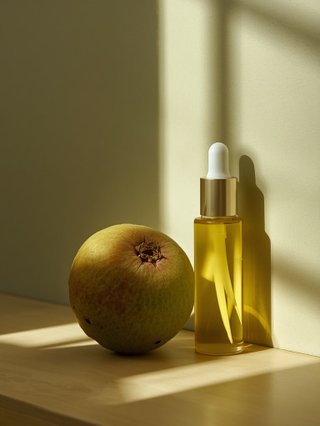
For millennia, traditional healing practices have provided empirically validated solutions for dry skin management, relying exclusively on naturally derived ingredients with documented efficacy. Among the most recommended approaches are: baths enriched with plant-based oils or whole milk, the topical application of olive oil as a deeply hydrating body balm, and the preparation of nutrient-dense facial masks using fruits (banana, avocado, apple), egg yolk, or colloidal oatmeal. Clinical evidence supports the dermatological benefits of aloe vera, birch bark extract, St. John’s wort, and sunflower in epidermal repair. Research further demonstrates that phospholipids present in cow’s milk significantly enhance hydration of the stratum corneum. In cases of xerosis (pathological dryness), additional guidelines include: limiting baths to lukewarm (not hot) water, avoiding harsh soaps and detergents, applying emollients at least twice daily, and maintaining indoor humidity levels between 45–60% using humidifiers. While dry skin is frequently dismissed as a cosmetic concern, it can cause substantial discomfort or pain. The condition is particularly prevalent during pregnancy and in newborns due to underdeveloped sebaceous glands. Fortunately, consistent use of evidence-based home remedies can effectively mitigate these symptoms.
Meal Plan
Want to apply these guidelines in your daily diet?
Our smart diet generator creates a tailored meal plan in 3 minutes based on the recommendations in this article.

Scientifically reviewed by a clinical dietitian
• 23.10.2026
Literatura: Barcelos RC., de Mello-Sampayo C., et al.: “ Oral supplementation with fish oil reduces dryness and pruritus in the acetone-induced dry skin rat model .”, J Dermatol Sci., 2015. Casetti F., Wolfle U., et al.: “ Dermocosmetics for dry skin: a new role for botanical extracts .”, Skin Pharmacol Physiol., 2011. Farwick M., Kohler T., et al.: “ Pentacyclic triterpenes from Terminalia arjuna show multiple benefits on aged and dry skin .”, Skin Pharmacol Physiol., 2014. Feily A., Namazi MR.: “ Aloe vera in dermatology: a brief review .”, G Ital Dermatol Venereol., 2009. Feng L., Chandar P., et al.: Characteristic differences in barrier and hygroscopic properties between normal and cosmetic dry skin. II. Depth profile of natural moisturizing factor and cohesivity .”, Int J Cosmet Sci., 2014. Morifuji M., Oba C., et al.: “ A novel mechanism for improvement of dry skin by dietary milk phospholipids: Effect on epidermal covalently bound ceramides and skin inflammation in hairless mice .”, J Dermatol Sci. 2015. Rawlings AV., Voegeli R.: „ Stratum corneum proteases and dry skin conditions .”, Cell Tissue Res., 2013. White-Chu EF., Reddy M.: “ Dry skin in the elderly: complexities of a common problem .”, Clin Dermatol., 2011.
Diets Premium Expert
Diets Premium team expert. Specializes in nutrition plans, strength sports, and training plans.
USDA FoodData Central
EFSA
PubMed Clinical Guidelines