Causes of excessive gastric juice production and effective dietary strategies and prevention


Table of Contents 3
Medical & Editorial Disclaimer (§3 Terms): This article is for informational and educational purposes only, does not constitute medical advice, diagnosis, or treatment, and is used at your own risk. Consult a qualified physician for medical conditions.
The causes range from the activation of the vagal pathway due to chronic stress to specific bacterial colonization and the consumption of irritating substances that stimulate acid production. Therapeutic management focuses on a buffering diet that protects the mucosa while strictly excluding secretagogues. Lifestyle adjustments play a fundamental role in regulating gastric function.
Practically, this involves dividing meals into several smaller, milder servings and chewing thoroughly to aid digestion. It is advisable to finish supper many hours before retiring and to elevate the head during sleep, which helps prevent nocturnal acid reflux.
Gastric acid hypersecretion by parietal cells, commonly presenting as hyperacidity, represents a prevalent condition driving heartburn, gastroesophageal reflux disease (GERD), and mucosal erosions. Implementing targeted acid-buffering nutritional strategies alongside circadian behavioral modifications restores physiological gastric equilibrium.
Etiology and Pathophysiology of Gastric Hypersecretion: Hormonal and Neurological Drivers
Gastric hydrochloric acid secretion is tightly orchestrated by gastrin, histamine, and acetylcholine. Pathological hypersecretion is provoked by chronic sympathetic stress activating the vagal pathway, Helicobacter pylori colonization stimulating hypergastrinemia, nicotine consumption, and frequent NSAID usage which suppresses mucosal prostaglandin E2 synthesis.
Therapeutic Nutrition for Hyperacidity: Buffering Foods vs. Severe Mucosal Triggers
Dietary management prioritizes soothing, mucosal-coating nutrition while rigorously eliminating secretagogues:
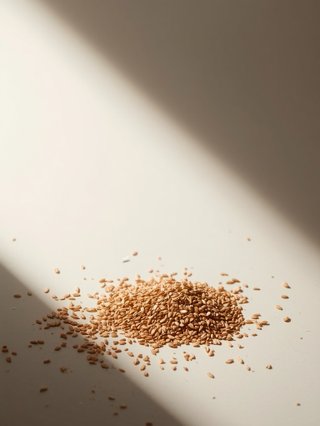
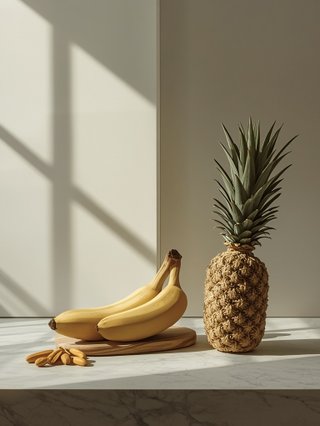
- Beneficial staples: Flaxseed decoctions (mucilage forming a physical shield over the epithelium), boiled root vegetables (carrots, pumpkin, potatoes), oatmeal, lean poultry, and low-acid fruits (bananas, melons);
- Strictly contraindicated items: Highly concentrated caffeine, alcohol, capsaicin-rich spices, citrus juices, tomato concentrates, carbonated beverages, and deep-fried foods high in lipid oxidation products.
Lifestyle Medicine: Meal Kinetics, Sleep Ergonomics, and Autonomic Stress Reduction
Beyond food composition, nutritional chronobiology dictates symptom resolution. Meals should be partitioned into 4–5 modest servings of temperate warmth, masticating thoroughly to facilitate salivary amylase and bicarbonate neutralization. Supper should conclude 2–3 hours before recumbency. Elevating the head of the bed by 15–20 cm harnesses gravity to prevent nocturnal gastroesophageal acid extravasation.
Want to apply these guidelines in your daily diet?
Our smart diet generator creates a tailored meal plan in 3 minutes based on the recommendations in this article.

Anna Schmidt
• 23.10.2026Diets Premium Expert
Diets Premium team expert. Specializes in nutrition plans, strength sports, and training plans.