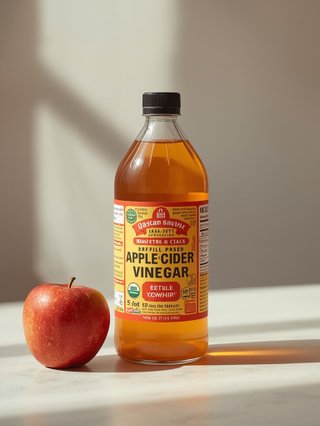
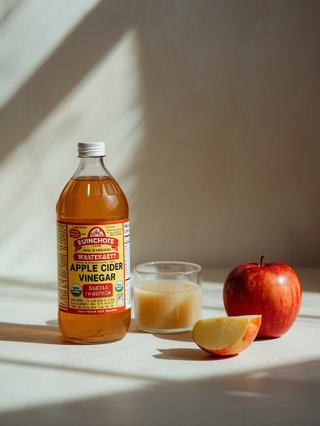
Red wine and apple cider: polyphenols, health effects, and dietary recommendations
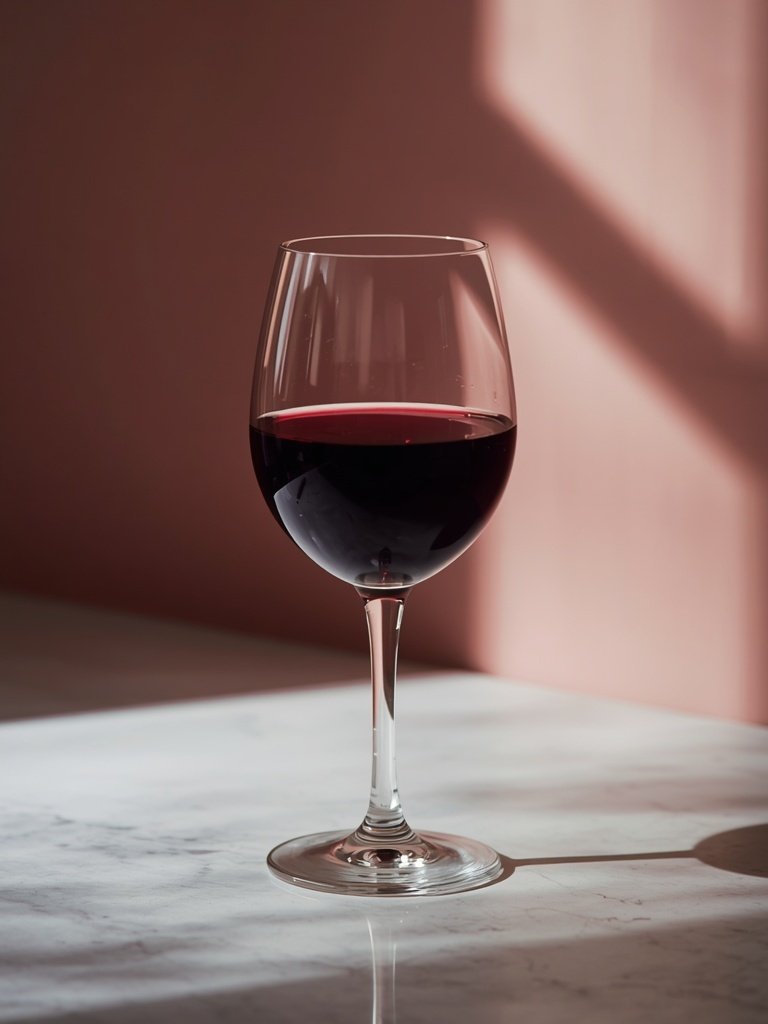
Table of Contents 4
Medical & Editorial Disclaimer (§3 Terms): This article is for informational and educational purposes only, does not constitute medical advice, diagnosis, or treatment, and is used at your own risk. Consult a qualified physician for medical conditions.
Biochemically, red wine and artisanal cider are rich in polyphenols like resveratrol and chlorogenic acid, which contribute to vascular protection by enhancing nitric oxide activity and shielding lipids from oxidative stress. However, the presence of alcohol necessitates a careful look at liver function, as ethanol clearance can suppress fatty acid oxidation and disrupt the delicate architecture of restorative sleep. The insights covered explain how these compounds modulate internal processes, from intestinal glucose absorption to the activation of longevity-linked enzymes.
Practical guidance emphasizes obtaining cardioprotective nutrients through mindful choices that minimize physiological strain. Opting for non-alcoholic alternatives such as tart cherry juice or dealcoholized grape extracts allows for the intake of protective anthocyanins and melatonin without impacting sleep quality or hepatic health. Incorporating herbal infusions like lemon balm or hibiscus can provide similar vascular benefits, offering a sophisticated and health-conscious approach to evening relaxation and nutritional support.
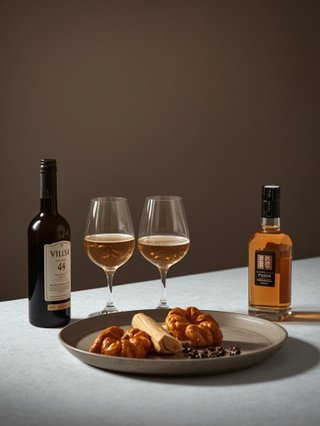
A glass of dry red wine or artisanal apple cider with dinner is frequently cited in discussions of the French paradox and traditional diets. While both beverages contain beneficial polyphenolic antioxidants, their ethanol content demands a careful clinical evaluation. This guide examines their biochemical profiles, physiological effects, and sensible intake guidelines.
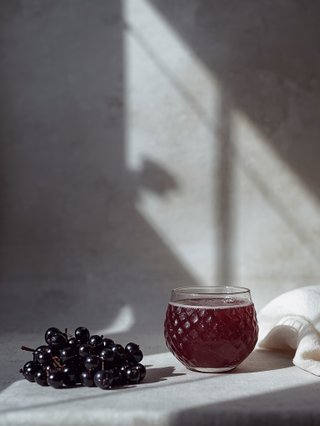
Resveratrol and Polyphenols in Red Wine: Cardioprotective Mechanisms
Red wine's antioxidant potential originates from compounds extracted from grape skins and seeds during prolonged maceration:
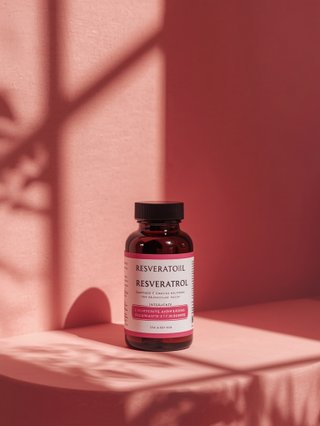
- Resveratrol (stilbenoid): Stimulates sirtuin enzymes (SIRT1), reduces vascular endothelial inflammation, and enhances endothelial nitric oxide synthase (eNOS) activity, promoting vasodilation.
- Flavonoids (anthocyanins, quercetin, catechins): Serve as powerful free radical scavengers, shielding circulating LDL particles from oxidative damage—a primary driver of arterial plaque formation.
- Condensed tannins (proanthocyanidins): Modulate arterial elasticity and demonstrate prebiotic interactions with gut microflora.
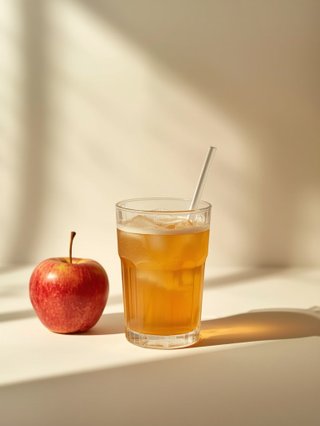
Apple Cider: Flavonoids, Pectins, and Moderate Alcohol Content
Traditionally fermented natural apple cider provides distinct biochemical characteristics:
- Chlorogenic acid and phloridzin: Unique apple-derived polyphenols capable of modulating intestinal glucose absorption.
- Reduced ethanol concentration: Typically containing 2–5% ABV, artisan cider places substantially lower metabolic strain on hepatic clearance compared to standard table wines (12–14% ABV).
- Sugar content distinction: Commercial mass-market ciders often feature heavy additions of refined sucrose or fructose syrup. Select naturally cloudy, dry-fermented ciders without artificial sweeteners or preservatives.
Impact of Alcohol on Liver, Sleep Architecture, and Metabolism
Despite the presence of plant antioxidants, ethanol is categorized as a Group 1 carcinogen by the IARC:
- Hepatic burden: Ethanol clearance via alcohol dehydrogenase shifts the NAD+/NADH ratio, suppressing mitochondrial fatty acid beta-oxidation and promoting hepatic lipid accumulation.
- Sleep fragmentation: While alcohol accelerates sleep latency, it severely disrupts second-half sleep architecture, suppresses REM sleep, and exacerbates nocturnal sympathetic arousal.
- Public health guidelines: The World Health Organization clarifies that no level of alcohol consumption is entirely risk-free. If consumed, intake should not exceed one standard drink, coupled with frequent alcohol-free days.
Healthy Non-Alcoholic Evening Alternatives for Maximum Benefit
To obtain cardioprotective polyphenols without ethanol-related detriments, consider these clinical alternatives:
- Montmorency tart cherry juice: Loaded with protective anthocyanins and exogenous plant melatonin, demonstrated to enhance sleep efficiency and reduce systemic inflammation.
- Dealcolized red wine or pure Concord grape extract: Delivers resveratrol and proanthocyanidins without enzymatic liver load.
- Artisanal kombucha and herbal infusions: Hibiscus, lemon balm, and chamomile tea deliver vascular-friendly bioflavonoids and calm nocturnal autonomic tone.
Want to apply these guidelines in your daily diet?
Our smart diet generator creates a tailored meal plan in 3 minutes based on the recommendations in this article.

Oliwia Kaczmarek
Diets Premium Expert
Diets Premium team expert. Specializes in nutrition plans, strength sports, and training plans.