PRO
10 min read
Red lentils - properties, recipes... How to prepare red lentils?
1 photo
509
Smart Voice
AI
0:00
0:00
Listen to the article content live
Table of Contents 9
PRO Content
PRO
This article is professional premium content (PRO) provided in its entirety.
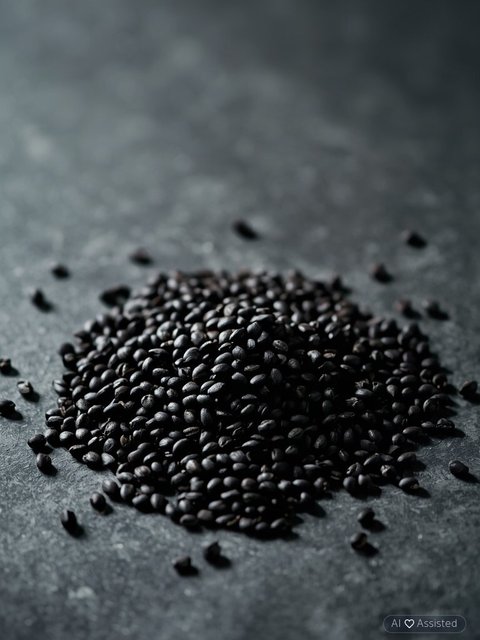
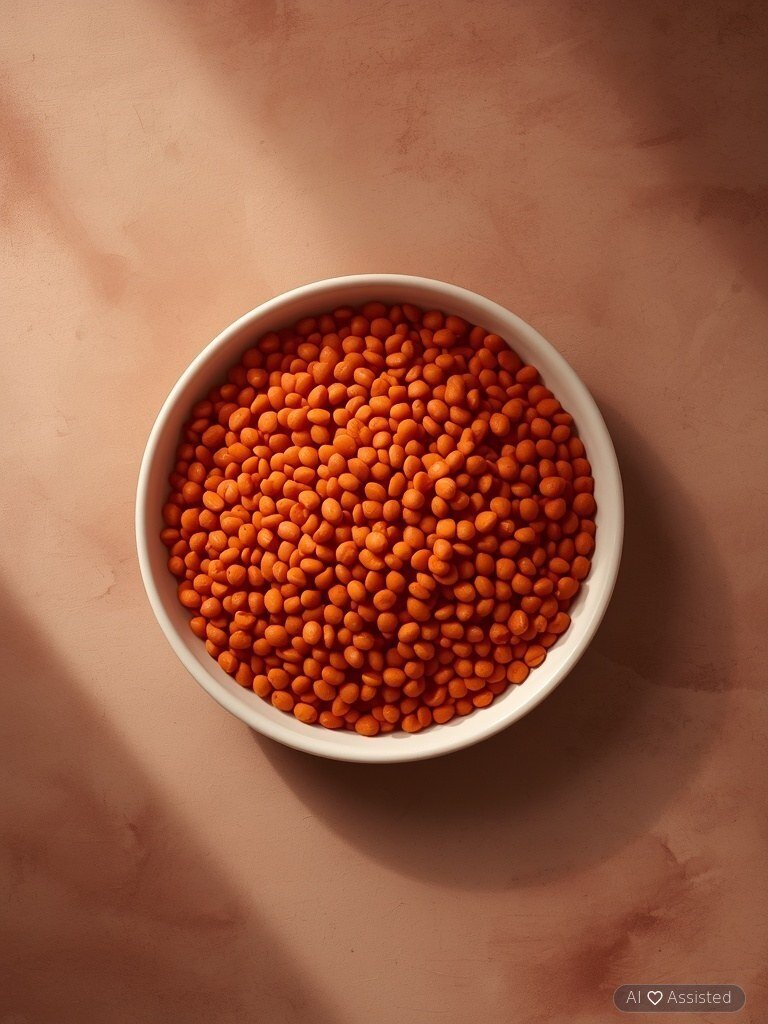
Legumes, including lentils, have held a significant position in cuisines around the world for centuries. Among the diverse varieties, red lentils are gaining increasing popularity among conscious Polish consumers, who are looking for healthy and tasty alternatives to meat. Consuming lentils contributes to improved digestion and metabolism, lowers cholesterol levels, but those are just some of their benefits.
01 / 09
Lens red characteristics and variations
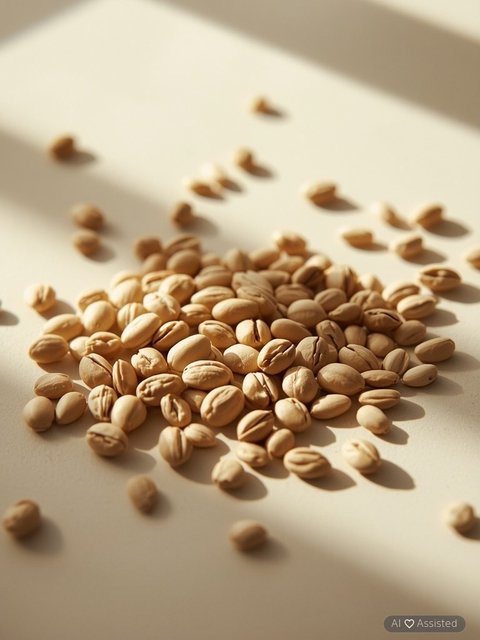
It is cultivated in Asia, America, Africa, Australia and Europe (mainly in the Mediterranean regions). In Poland it is quite rare due to its unfavorable climate. There are many varieties of lentils, each with slightly different characteristics. The difference in color also affects the taste, the time it takes to cook, or the possibilities of preparing it. Among the most popular varieties, the soca soca is red: Soca Soca has a delicate, long-lasting character, and is ready to harvest.
02 / 09
Nutritional profile of red lentils: Caloric content and glycemic index with comprehensive dietary analysis
Thermally processed red lentils provide 114 kilocalories per 100-gram serving, distinguished by an exceptionally low glycemic index value of 21. These metrics are derived from the authoritative International Glycemic Index Database, maintained by the Human Nutrition Unit in collaboration with the School of Molecular Biosciences at the University of Sydney (Australia).
03 / 09
Comprehensive nutritional profile of red lentils – dietary composition and health benefits
Red lentils represent an exceptionally nutrient-dense food source, making them an invaluable component of a balanced diet. The nutritional data presented below are derived from authoritative references, including the USDA database and Lentils.org—a platform supported by over 17,000 pulse crop farmers in Saskatchewan, Canada. These figures encompass both raw and cooked lentils without added salt, thereby providing a comprehensive overview of their nutritional attributes across different preparation methods.
04 / 09
How does lentil compare when measured against other high-fiber dietary products?
Dietary fiber content (measured in grams) alongside the percentage of daily value fulfillment—data sourced from the "Saskatchewan Pulse Growers" online platform, which is collectively managed and funded by a consortium of over 17,000 pulse crop farmers across Canada.
Product comparison (per single standard serving size):
• Cooked lentils (1 cup, approximately 240 mL) — 15.6 g of fiber (62% of the recommended daily intake).
• Cooked chickpeas (1 cup) — 12.5 g (50% of the daily value).
• Cooked red kidney beans (1 cup) — 11.3 g (45% of the daily fiber requirement).
• Dried plums (prunes; 1 cup) — 9.4 g (38% of the daily recommended amount).
• Bran flakes cereal (1 cup) — 7.1 g (28% of the daily value).
• Whole-grain bread (2 slices) — 3.8 g (15% of the daily fiber target).
• Instant oatmeal (1 single-serving packet) — 2.6 g (10% of the daily fiber recommendation).
05 / 09
The invaluable benefits of red lentils: Why they deserve a permanent place in your year-round diet
Red lentils represent an exceptionally high-quality protein source with an impressive digestibility rate of up to 85 percent, making them an indispensable dietary component throughout the year. Their consistent consumption is associated with a multitude of health benefits: characterized by a relatively low sodium content alongside a substantial potassium concentration, they contribute significantly to blood pressure regulation, diminish the risk of stroke and cardiovascular diseases, and effectively reduce levels of low-density lipoprotein—the so-called "bad" cholesterol. Furthermore, due to their folic acid content, they are particularly recommended for women in preconception periods as well as during pregnancy, supporting optimal fetal development. Their stress-relieving properties should not be overlooked: the abundant magnesium content aids in combating stress, alleviating muscle tension, and mitigating insomnia. The high fiber content promotes intestinal peristalsis, preventing constipation, while the presence of tannins—natural compounds with antiproliferative effects—may inhibit the division of cancerous cells, potentially lowering the risk of various malignancies. An intriguing alternative is lentil sprouts, which concentrate even greater nutritional density. Scientific research corroborates these benefits: a team from Tulane University School of Public Health and Tropical Medicine conducted a meta-analysis of 10 randomized clinical trials, demonstrating that individuals adhering to a legume-rich diet experienced an average reduction in total cholesterol by 11.8 mg/dL and LDL cholesterol by 8.0 mg/dL. Source: National Library of Medicine, official U.S. government website.
06 / 09
A comprehensive guide to properly cooking red lentils at home
Preparing red lentils is a straightforward culinary process that notably omits the need for prolonged pre-soaking, making them a convenient ingredient for quick meals. Below is a meticulously detailed guide to ensuring their optimal preparation: **Pre-cooking rinsing procedure** – Prior to any heat application, it is essential to thoroughly rinse the lentils under a steady stream of cool, potable water. This critical step effectively eliminates residual debris, fine particulate matter, or any trace mineral contaminants that may adhere to the legumes. **Liquid-to-lentil ratio optimization** – To achieve the desired tenderness without excess moisture, maintain a volumetric proportion of approximately two parts water to one part dry lentils (e.g., two standard cups of water per cup of lentils). **Controlled cooking methodology** – Once rinsed, immediately transfer the lentils into vigorously boiling water and sustain a moderate simmer for a duration ranging between 10 to 15 minutes—or until the lentils have fully absorbed the liquid and attained a uniformly soft texture. **Seasoning considerations for texture preservation** – The addition of sodium chloride (table salt) should be deferred until the final stages of cooking; premature salting risks compromising the lentils’ structural integrity, potentially yielding an undesirably firm bite. For enhanced flavor complexity, a modest quantity of neutral-tasting vegetable oil (such as sunflower or avocado oil) may be incorporated during the latter phase, imparting a subtle richness. **Acidic ingredient integration timing** – Should the recipe include acidic elements—such as apple cider vinegar, freshly squeezed lemon juice, or tomato-based components—these must be introduced only *after* the lentils have fully softened, as acidic environments significantly protract the required cooking time. **Textural versatility and culinary applications** – Red lentils possess an inherent propensity to break down rapidly when cooked, facilitating the effortless creation of velvety purées or thick, stew-like consistencies. Their mildly sweet, earthy flavor profile renders them exceptionally adaptable: they excel in soups, hearty stews, dumpling fillings (e.g., pierogi or samosas), plant-based pâtés, vegan burger patties, or as a nutrient-dense component in composed salads and grain bowls. Their rapid cook time and nutritional density—rich in protein, fiber, and essential micronutrients—further solidify their status as a staple in both everyday and gourmet vegetarian cuisine.
07 / 09
Culinary Explorations with Red Lentils: Three Foundational Recipe Variations
A curated collection of time-tested recipes showcasing red lentils as the star ingredient. This compilation includes detailed methods for crafting a spice-infused paste with layered flavors, a velvety coconut milk–enhanced cream soup, and a refreshing salad featuring delicate greens. Each recipe provides meticulous step-by-step guidance, precise ingredient measurements, and seasoning recommendations to achieve a perfectly balanced taste profile. The instructions are tailored to accommodate both novice and experienced cooks, with emphasis on thermal processing techniques and the art of texture pairing.
08 / 09
Creative culinary applications of red lentils – practical inspirations for versatile cooking
Red lentils represent an exceptionally versatile ingredient capable of enhancing a wide array of traditional dishes by elevating their nutritional profile and introducing distinctive flavor dimensions. Below is a comprehensive collection of culinary applications: **Velvety-textured soups** – incorporate a portion of cooked lentils into tomato-based or other creamed soups, then blend until silky smooth. This technique not only imparts a luxurious mouthfeel but also significantly boosts the protein content of the dish. **Complex, nutrient-dense sauces** – augment classic sauces such as bolognese or various curry preparations by integrating lentils, which serve as both a natural thickener and a source of additional nutrients. The result is a more substantial, flavor-rich sauce with enhanced depth. **Pasta dishes and risotto** – experiment with lentils as a complementary ingredient in spaghetti, penne, or risotto recipes, thereby increasing the fiber and complete protein content while introducing an intriguing textural element. **Plant-based burger and patty alternatives** – craft lentil-based burgers or patties by combining them with aromatic spices, vegetables, and binding agents like oats or eggs (for vegetarian versions). Lentils effectively mimic the texture of ground meat, yielding a satisfying and nutritionally balanced dish. **Stuffings for dumplings, pancakes, and baked goods** – integrate lentils into fillings to create more substantial and nutrient-dense compositions. Their subtle, nutty flavor pairs exceptionally well with mushrooms, cheese, or vegetables, adding complexity to the overall taste profile. **Nutrient-augmented salads** – enhance vegetable salads by adding cooked lentils, which increase satiety and provide a significant boost of protein and minerals. Lentils harmonize beautifully with nuts, dried fruits, and diverse dressings, resulting in well-balanced flavor combinations. **Stews and braised dishes** – utilize lentils as either a foundational element or a supplementary component in vegetable or meat stews to amplify fiber content and achieve a heartier consistency. **Flavorful sandwich spreads** – blend cooked lentils with garlic, olive oil, lemon juice, and herbs to create a creamy, protein-rich spread ideal for sandwiches. This alternative offers a healthier option compared to conventional spreads, abundant in plant-based protein and beneficial fats. **Unexpected dessert applications** – red lentils can also be incorporated into sweet preparations. Prepare moist, fudgy brownies by substituting a portion of flour with lentils, which contribute moisture and nutritional density. Alternatively, craft lentil-based puddings by combining them with fruits, cocoa, and natural sweeteners such as maple syrup or dates. Lentils lend desserts a unique texture while elevating their nutritional value, rendering them more satiating and wholesome.
09 / 09
How to identify authentic red lentils: purchasing options and evidence-based storage techniques for maximum freshness
Once considered a specialty item, red lentils have now become a staple in many grocery stores, available in bulk bins, pre-packaged bags, or canned formats. They can be easily sourced from most major supermarkets, health-focused retailers, and organic food markets. To preserve the nutritional integrity and flavor of dry lentils, optimal storage conditions are essential: a cool, dark, and moisture-free environment, preferably within an airtight container made of glass, metal, or food-grade plastic. When stored correctly, uncooked lentils can retain their quality for up to twelve months. Cooked lentils remain safe for consumption when refrigerated for approximately one week, while freezing extends their shelf life to six months, though some textural degradation may occur upon thawing. Canned lentils should be kept in a dry, temperature-stable location away from direct sunlight—such as a pantry or lower cabinet—to maintain their freshness. Once opened, the contents must be transferred to a sealed container and refrigerated, where they will remain edible for three to four days. For prolonged storage beyond this period, freezing is recommended, which can preserve the lentils for up to six months without significant loss of quality. Whether incorporated into hearty stews, innovative desserts, or simple side dishes, red lentils contribute not only a distinct, slightly earthy flavor and smooth texture but also a wealth of nutritional benefits, including plant-based protein, dietary fiber, and an array of B vitamins essential for metabolic health.
Meal Plan
Want to apply these guidelines in your daily diet?
Our smart diet generator creates a tailored meal plan in 3 minutes based on the recommendations in this article.

Scientifically reviewed by a clinical dietitian
• 24.09.2026
Julia Wójcik
Diets Premium Expert
Diets Premium team expert. Specializes in nutrition plans, strength sports, and training plans.
USDA FoodData Central
EFSA
PubMed Clinical Guidelines