Express weight loss before key occasions – the physiology of change, a safe diet plan, and preventing the yo-yo effect


Table of Contents 3
Medical & Editorial Disclaimer (§3 Terms): This article is for informational and educational purposes only, does not constitute medical advice, diagnosis, or treatment, and is used at your own risk. Consult a qualified physician for medical conditions.
The initial reduction in body mass is primarily driven by the depletion of glycogen stores in the liver and skeletal muscles alongside the release of bound water. Moderating dietary sodium and refined carbohydrates helps eliminate extracellular puffiness, while selecting potassium-rich foods and natural herbal teas supports gentle debloating and fluid balance.
The most detrimental error following a short cutting phase is unchecked compensatory overeating, which leads to rapid fluid regain and fat accumulation. A successful exit strategy involves a gradual, stepwise return to maintenance calories, paired with lifelong habits of proper hydration, dietary fiber, and daily physical movement.
This article is professional premium content (PRO) provided in its entirety.
Approaching major social milestones, weddings, or summer vacations, many individuals seek rapid, visible improvements in body contours. While crash starvation diets trigger muscle catabolism and metabolic slowing, a thoughtfully structured short-term protocol—focused on water retention reduction, gastrointestinal debloating, and moderate caloric deficits—safely diminishes waist circumference without compromising physiological vitality.
Physiology of rapid weight loss: water and glycogen depletion versus true fat loss
Weight loss occurring across the first 3–5 days of energy restriction is primarily mediated by liver and skeletal muscle glycogen depletion. Each gram of stored glycogen binds approximately 3–4 grams of water. Moderating dietary sodium and cutting refined carbohydrates induces rapid fluid excretion and decreases extracellular puffiness. However, true adipose tissue reduction requires time, as catabolizing 1 kg of fat necessitates a cumulative deficit of roughly 7,700 kcal.
Dietary guidelines for short-term waistline reduction and debloating
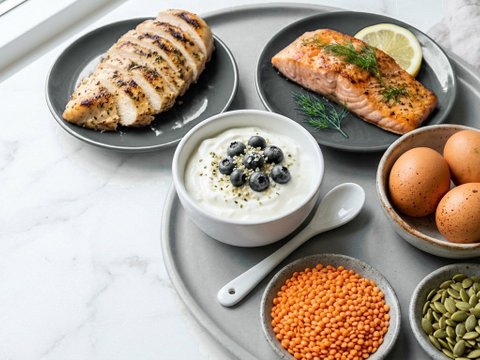
A short-term debloating menu should emphasize lean protein sources (poultry, white fish, eggs), low-FODMAP vegetables (cucumbers, zucchini, mixed lettuces), and potassium-dense foods (spinach, avocado) that counterbalance sodium retention. Carbonated beverages, chewing gums, and gas-producing cruciferous vegetables or legumes should be temporarily minimized to eliminate abdominal distension. Herbal teas such as stinging nettle, dandelion root, and green tea support natural lymphatic drainage.
Transition strategies and long-term prevention of the yo-yo effect
The most detrimental error following a short cutting phase is unchecked compensatory hyperphagia, which drives massive insulin spikes, rapid glycogen/water overcompensation, and fat storage. A sound exit strategy entails gradual caloric re-escalation by 100–150 kcal every few days (reverse dieting), alongside permanent adherence to mindful hydration, adequate dietary fiber, and daily physical movement.
Want to apply these guidelines in your daily diet?
Our smart diet generator creates a tailored meal plan in 3 minutes based on the recommendations in this article.
Tags

Laura Schneider
• 23.10.2026Diets Premium Expert
Diets Premium team expert. Specializes in nutrition plans, strength sports, and training plans.