PRO
6 min read
Quinoa or Barley – Which Is Better?
1 photo
521
Smart Voice
AI
0:00
0:00
Listen to the article content live
Table of Contents 5
PRO Content
PRO
This article is professional premium content (PRO) provided in its entirety.
Recently, a growing number of new products have emerged, which have dominated retail products, earning the nickname "superfoods". Their supporters appreciate them, but they don't know exactly why. They're also unaware of the counterparts in our domestic market, which sometimes have even better ingredients and, above all, lower prices. Read the article and learn about the properties of the famous quinoa and the native barley. Find out which one to choose for your next purchase!
01 / 05
Quinoa (Chenopodium quinoa) – a nutrient-dense pseudo-cereal of Andean origin with worldwide agricultural relevance
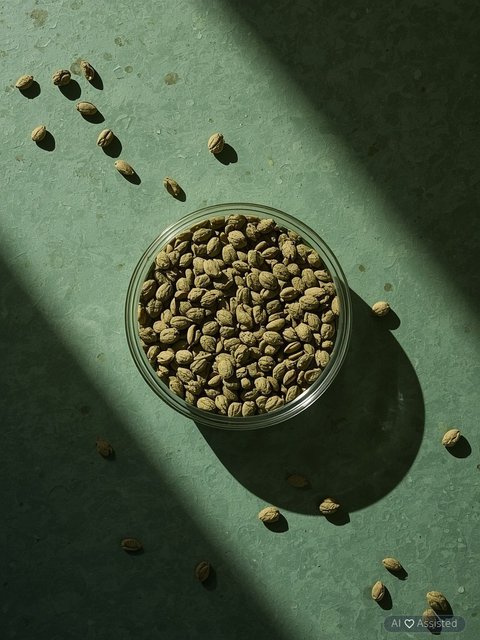
Quinoa (*Chenopodium quinoa*), commonly referred to as a pseudo-cereal, represents a category of non-grass plants that produce edible seeds with nutritional profiles comparable to those of conventional grains. Its cultivation dates back millennia, originating in the Andean highlands spanning modern-day Bolivia and Peru, where it served as a dietary staple for indigenous populations. In contemporary times, quinoa has gained global prominence owing to its exceptional adaptability to diverse environmental conditions—including drought resistance and tolerance to saline soils—as well as its superior nutritional density. This has positioned it as a viable agricultural alternative to traditional cereals, particularly in regions facing climatic or edaphic challenges. The biochemical composition of quinoa seeds encompasses a wide array of bioactive compounds, such as polyphenols (e.g., flavonoids, phenolic acids), betalains (including betanin), and other phytochemicals associated with health-promoting properties. Notably, quinoa is distinguished by its complete protein content, furnishing all nine essential amino acids in balanced proportions—a rarity among plant-based foods and typically characteristic of animal-derived proteins. Additionally, the seeds provide a comprehensive spectrum of vitamins (including B-complex vitamins, vitamin C, and vitamin E) alongside essential minerals such as calcium, magnesium, iron (with enhanced bioavailability due to low phytic acid levels), potassium, and zinc. In 2013, the Food and Agriculture Organization of the United Nations (FAO) formally recognized quinoa—alongside amaranth and related species—as a crop of strategic importance for global food security, advocating for expanded cultivation, research, and consumption. Commercially available varieties exhibit a diverse range of seed colors, from the most common white and black types to green, yellow, and even deep red-purple hues. Given its unique nutritional attributes and documented health benefits, quinoa is frequently categorized as a functional food, defined as a product that delivers physiological advantages beyond basic nutritional requirements.
02 / 05
Comprehensive nutritional and health-promoting properties of Chenopodium quinoa (quinoa) – scientific analysis and dietary applications
Chenopodium quinoa, categorized as a gluten-free pseudocereal, occupies a pivotal role in the dietary regimens of individuals with gluten-related disorders, including those diagnosed with celiac disease. A defining characteristic of this Andean crop is its low glycemic index, rendering it a particularly suitable dietary component for patients with type 2 diabetes mellitus and those exhibiting carbohydrate metabolism dysregulations. Extensive clinical meta-analyses corroborate its efficacy in weight management protocols, attributable to both its thermogenic properties and its capacity to modulate satiety via neurohormonal pathways. Furthermore, longitudinal studies have established a positive correlation between sustained quinoa consumption and postprandial glycemic stabilization, thereby positioning it as a potential preventive agent against the progression of insulin resistance. In vitro and in vivo investigations additionally highlight its hypolipidemic potential, evidenced by reductions in low-density lipoprotein cholesterol fractions and triglyceride concentrations, which collectively contribute to a diminished risk of atherosclerotic plaque formation and cardiovascular events. Of particular note is the antioxidant activity exhibited by quinoa’s polyphenolic compounds, which effectively scavenge reactive oxygen species, thereby attenuating collagen degradation in dermal tissues and delaying the onset of oxidative stress-induced aging processes. From a microbiological perspective, its soluble fiber content demonstrates prebiotic functionality by selectively promoting the proliferation of beneficial gut microbiota while concurrently inhibiting the adhesion of pathogenic microorganisms. The balanced ratio of omega-3 to omega-6 fatty acids further supports neurogenesis and cognitive performance, whereas the presence of phytosterols may exert hepatoprotective effects. Emerging evidence also suggests a potential modulatory influence on the hypothalamus-pituitary-adrenal axis, which could account for the observed reductions in anxiety and depressive biomarkers among intervention cohorts.
03 / 05
Pearl barley and hulled barley groats – a time-honored, nutrient-dense cereal product with diverse culinary, agricultural, and industrial applications
Barley groats, though often overshadowed by contemporary dietary trends, represent a time-honored staple derived from barley—one of the oldest cultivated cereals globally. Remarkably, they constitute up to seventy percent of all groat production worldwide, underscoring their dominant position in this category. Their utility extends far beyond human consumption: they serve as a high-value component in animal feed formulations and play an indispensable role in brewing as barley malt. The nutritional profile of barley groats is distinguished by a substantial fiber content—critical for optimal digestive function—as well as a diverse array of bioactive phenolic compounds, including flavonols, quinones, and flavones, all of which exhibit potent antioxidant properties. Furthermore, barley groats are characterized by the presence of high-biological-value protein with a balanced amino acid composition, encompassing all essential amino acids that the human body cannot synthesize independently and which are typically sourced from animal-derived products. This makes barley groats an invaluable protein source for individuals adhering to plant-based diets, such as vegans or vegetarians. Additionally, they are rich in B-complex vitamins—particularly thiamine (B1), riboflavin (B2), and pyridoxine (B6)—as well as flavonoids like rutin and quercetin, which support cardiovascular health and demonstrate anti-inflammatory effects. Several primary varieties of barley groats exist, differentiated by their degree of processing: **hulled barley** (whole, unpolished kernels with only the husk removed), **pearled barley** (whole kernels that are steamed, polished, and partially debranned), **broken barley** (kernels cleaned and cracked without subsequent polishing), and **pot barley** (kernels broken into larger pieces and polished). Among these, pearled and hulled barley are the most widely consumed. However, it is crucial to note that due to their gluten content, these groats are unsuitable for individuals with celiac disease or gluten sensitivity.
04 / 05
Nutritional and preventive attributes of dehulled barley – a comprehensive examination of its health-promoting properties
Owing to its rich composition of antioxidative compounds, dehulled barley demonstrates a pronounced capacity to scavenge reactive oxygen species, thereby attenuating lipid peroxidation processes and mitigating the risk of developing a spectrum of inflammatory and degenerative pathologies. Furthermore, this cereal product enhances physiological gastrointestinal motility, effectively precluding the occurrence of constipation and associated discomfort. Its consistent consumption also accelerates intestinal transit time, a factor epidemiologically linked to a reduced incidence of colorectal malignancies. Notably, observed benefits extend to an improved lipid profile, particularly a reduction in the concentration of the atherogenic low-density lipoprotein (LDL) cholesterol fraction. Of particular significance, the soluble fiber components—most prominently β-glucans—exert a regulatory effect on postprandial glycemia by decelerating carbohydrate absorption, rendering this product especially advantageous in the dietary management of individuals with insulin resistance or type 2 diabetes mellitus. Additionally, the prebiotic properties inherent to barley constituents foster the proliferation of beneficial bacterial strains within the gut microbiota, thereby reinforcing mucosal barrier integrity and sustaining overall metabolic equilibrium.
05 / 05
Quinoa vs. Barley: A Comparative Analysis of Nutritional Benefits and Health Impact
Upon conducting a thorough comparative analysis of the nutritional compositions of quinoa and barley, it becomes evident that quinoa exhibits a markedly higher concentration of complete protein. Furthermore, quinoa surpasses barley in its vitamin content—particularly in health-promoting carotenoids, which serve as precursors to vitamin A—as well as in its mineral composition. While quinoa demonstrates a broader and more profound impact on human health, barley remains a valuable component of a balanced diet, albeit with slightly more modest benefits. The optimal approach involves the rotational incorporation of both grains into one’s dietary regimen, thereby ensuring nutritional diversity and the full utilization of their distinct properties. Quinoa, categorized as a "functional food," is distinguished by an exceptionally rich nutritional profile and a wide array of positive health effects. Barley, though somewhat less abundant in certain nutrients, remains a highly recommendable product, especially due to its economic accessibility. From a financial perspective, individuals with limited budgets may find it advantageous to consume barley more frequently, as it provides essential nutrients at a lower cost. In summary, the alternating consumption of both quinoa and barley represents the most effective strategy for maintaining a balanced and varied diet, rich in essential micro- and macronutrients.
Meal Plan
Want to apply these guidelines in your daily diet?
Our smart diet generator creates a tailored meal plan in 3 minutes based on the recommendations in this article.
Tags

Scientifically reviewed by a clinical dietitian
• 25.09.2026
Literatura: Bemuy-Osorio. N.D., Riveros-Lizana. R., Villanueva-Espinoza. M.E., Suarez-Crunza. S., Vilchez-Perales. C.: “Influence of the consumption of quinoa on the biochemical parameters and intestinal histomorphometry in obese rats.”, 2018, Rev Peru Med Exp Salud Publica., 35(2), 228-233. Escribano. J., Cabanes. J., Jimenez-Atienzar. M., Ibanez-Tremolada. M., Gomez-Pando. L.R., Garcia-Carmona. F., Gandia-Herrero. F.: „Characterization of betalains, saponins and antioxidant power in differently colored quinoa (Chenopodium quinoa) varieties.”, 2017, Food Chem., 234, 285-294. Galiński. G., Anioła. A., Gawęcki. J., Czarnocińska. J.: „Ocena indeksu sytości wybranych produktów spożywczych.”, 2011, Probl. Hig. Epidemiol., 92(4), 944-946. Graf. B.L., Rojas-Silva. P., Rojo. L.E., Delatorre-Herrera. J., Baldeon. M.E., Raskin. I.: “Innovations in Health Value and Functional Food Development of Quinoa (Chenopodium quinoa Willd.).”, 2015, Compr. Rev. Food Sci. Food Saf., 14(4), 431-445. Hęś. M., Dziedzic. K., Górecka. D., Drożdżyńska. A., Gujska. E.: „Effect of boiling in water of barley and buckwheat groats on the antioxidant properties and dietary fiber composition.”, 2014, 69(3), 276-282. Li. L., Lietz. G., Bal. W., Watson. A., Morfey. B., Seal. C.: “Effects of Quinoa (Chenopodium quinoa Willd.) Consumption on Markers of CVD Risk.”, 2018, Nutrients, 10(6). Navarro-Perez. D., Radcliffe. J., Tierney. A., Jois. M.: “Quinoa Seed Lowers Serum Triglycerides in Overweight and Obese Subjects: A Dose-Response Randomized Controlled Clinical Trial.”, 2017, Curr. Dev. Nutr., 24, (1)9. Park. J.H., Lee. Y.J., Kim. Y.H., Yoon. K.S.: “Antioxidant and Antimicrobial Activities of Quinoa (Chenopodium quinoa Willd.) Seeds Cultivated in Korea.”, 2017, Prev. Nutr. Food Sci., 22(3), 195-202. Rzedzicki. Z., Wirkijowska. A.: “Charakterystyka składu chemicznego przetworów jęczmiennych ze szczególnym uwzględnieniem składu frakcyjnego błonnika pokarmowego.”, 2008, Żywność, Nauka Technologia Jakość, 1(56), 52-64. Tang. Y., Tsao. R.: “Phytochemicals in quinoa and amaranth grains and their antioxidant, anti-inflammatory, and potential health beneficial effects: a review.”, 2017, Mol. Nutr. Food Res.
Diets Premium Expert
Diets Premium team expert. Specializes in nutrition plans, strength sports, and training plans.
USDA FoodData Central
EFSA
PubMed Clinical Guidelines