4 min read

Properties, Contraindications, and Uses of St. John’s Wort (*Hypericum perforatum*)


Properties, Contraindications, and Uses of St. John’s Wort (*Hypericum perforatum*)
1 photo
775
Smart Voice AI
0:00
0:00
Listen to the article content live
Table of Contents 5

It is increasingly noticeable that more and more people are moving away from traditional methods of dealing with health issues and seeking natural alternatives. Herbal medications are gentler in their influence than their artificial counterparts, but they may require more time to feel their effects. They are, however, less likely to cause undesirable side effects. One of the commonly used plants in herbal medicine is the ordinary perforator, which has been valued by medicine for its valuable properties for centuries.

01 / 05

St. John’s wort (*Hypericum perforatum*) – evidence-based therapeutic mechanisms and clinical applications in modern medicine

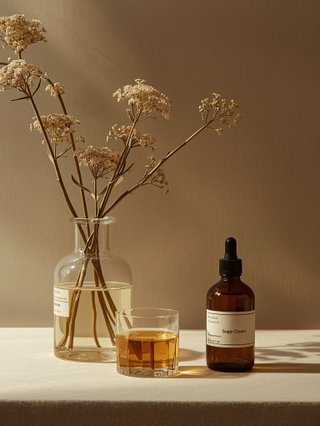
The aerial parts of *Hypericum perforatum* (St. John’s wort) constitute a rich source of bioactive secondary metabolites whose pharmacological spectrum encompasses **neurotransmitter modulation** alongside **antiproliferative and anti-inflammatory effects**. Key compound classes include: **hypericin** (the pigment responsible for the extract’s distinctive red hue) and **hyperforin** (a primary quality marker), as well as **flavonoids** (e.g., quercetin, rutin), **xanthones**, **chlorogenic acid**, **procyanidins**, and **terpenes**. Clinical and preclinical evidence confirms that St. John’s wort extracts exhibit **antidepressant efficacy comparable to selective serotonin reuptake inhibitors (SSRIs)**, attributed to a **multimodal impact on serotonergic, noradrenergic, and dopaminergic systems**—primarily via **non-selective inhibition of monoamine transporters** (SERT, NET, DAT) and **modulation of catabolic enzymes** (MAO-A/B). Additionally, **interactions with GABAA, NMDA, and adenosine receptors** have been documented, potentially underlying its anxiolytic and neuroprotective properties. In the pharmaceutical market, St. John’s wort preparations are predominantly available as **standardized extracts (containing 3–5% hypericin) in coated tablets, gelatin capsules, or hydroalcoholic tinctures**, with efficacy and safety contingent upon dosage and raw material quality.

02 / 05

St. John’s Wort – Essential Precautions and Drug Interaction Hazards

Therapeutic use of St. John’s wort (*Hypericum perforatum*) necessitates strict avoidance of prolonged sun exposure, as the plant’s active constituent, hypericin, may trigger phototoxic reactions manifesting as cutaneous irritation or severe sunburn. Individuals with Fitzpatrick skin types I or II—characterized by fair complexion, freckling, and heightened susceptibility to ultraviolet damage—must exercise extreme caution, refraining entirely from tanning during supplementation. Furthermore, due to its complex pharmacokinetic profile, St. John’s wort significantly alters the metabolism of numerous pharmaceutical agents, mandating prior consultation with a healthcare provider. Of particular concern is its synergistic interaction with selective serotonin reuptake inhibitors (SSRIs), which may exacerbate adverse effects such as gastrointestinal distress, cephalalgia, or affective lability. Concurrent use with oral contraceptives is categorically contraindicated owing to the risk of diminished efficacy, while combination with anticoagulants (e.g., warfarin) may disrupt coagulation parameters. Absolute prohibitions extend to pregnant or lactating women, patients with advanced renal or hepatic impairment, and individuals undergoing immunosuppressive therapy. Given the potential for severe adverse interactions, any incorporation of St. John’s wort into a treatment regimen must be preceded by a comprehensive review of medical history and concurrent medications.

03 / 05

St. John’s wort – therapeutic applications and health benefits

Due to its distinctive pharmacological properties, St. John’s wort plays a significant role in the management of mild to moderate depressive disorders. Clinical trials conducted among patients with these conditions have demonstrated that extracts of this herb lead to substantial improvements in mental well-being, with efficacy often comparable to that of conventional antidepressant medications. While some individuals undergoing treatment experienced adverse reactions—such as heightened skin sensitivity to ultraviolet radiation or gastrointestinal disturbances—it is noteworthy that therapy with St. John’s wort did not result in weight gain, a common side effect associated with synthetic pharmaceutical agents. Additionally, the herb is employed to alleviate symptoms of premenstrual syndrome, including mood swings, irritability, tearfulness, and anxiety. Preclinical research also suggests potential anticancer properties of hyperforin, one of the primary active compounds in St. John’s wort, which induces apoptosis in leukemic cells and inhibits their metastatic potential, although the precise mechanisms underlying these effects remain under scientific investigation. The plant further exhibits antibacterial activity, making it a valuable component in formulations designed to accelerate the healing of chronic wounds and ulcers. Its extracts are also widely incorporated into dermocosmetic products, intimate hygiene solutions, and oral rinses. Furthermore, St. John’s wort demonstrates spasmolytic effects and supports digestive processes, rendering it useful in the treatment of various gastrointestinal ailments, such as bloating, spasmodic pain, and impaired intestinal motility.

04 / 05

A comprehensive guide to harvesting and drying common St. John’s wort – timing and proper techniques

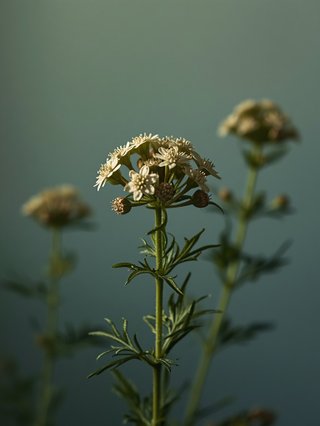
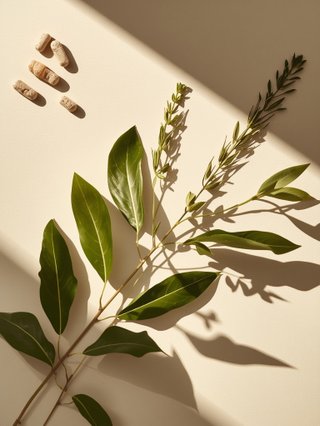
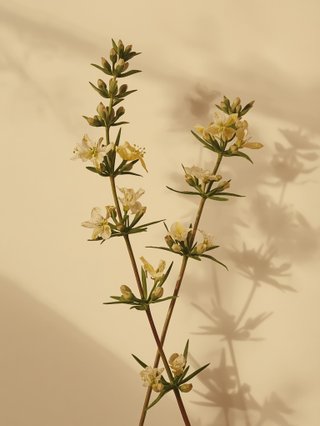
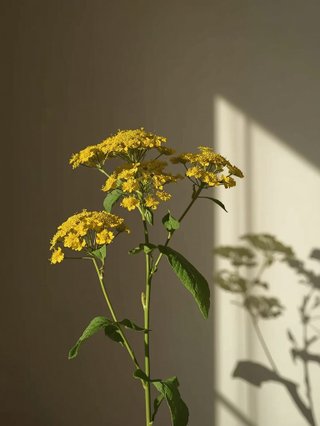
The most pharmacologically valuable botanical material is the flowering aerial parts of *Hypericum perforatum* (common St. John’s wort), which are harvested at the peak of the plant’s vegetative cycle. This period typically occurs in the latter half of June, earning the herb its colloquial name "St. John’s wort" in reference to the Feast of the Nativity of John the Baptist celebrated on June 24. Following the precise removal of the apical shoot segments, the plant undergoes a secondary flowering phase, permitting a second harvest within the same growing season. The freshly cut portions are arranged in single, non-compacted layers—either in specialized drying facilities with regulated airflow or under ambient conditions—and subjected to air-drying in shaded, well-ventilated environments with meticulously controlled temperatures not exceeding 35°C. Adherence to this thermal threshold is critical, as elevated temperatures may induce the degradation of heat-sensitive bioactive compounds, including hypericin and hyperforin, which underpin the herb’s therapeutic efficacy.

05 / 05

St. John’s wort infusion: What substantiated benefits does it offer for health and well-being?

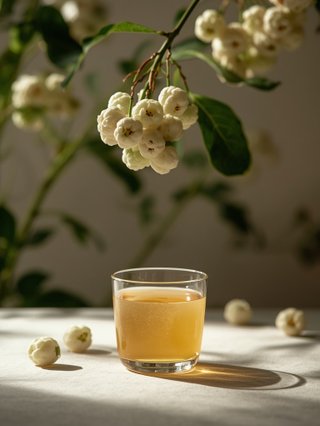
An infusion prepared from dried St. John’s wort (*Hypericum perforatum*) may serve as a valuable adjunct to daily nutrition, particularly when consumed postprandially, as it facilitates digestive processes and reduces the likelihood of gastrointestinal discomfort such as excessive gas accumulation. The tea can be prepared independently using dried plant material or by steeping pre-packaged sachets available at pharmacies. A critical consideration is avoiding the use of boiling water; instead, hot (non-boiling) water should be employed to preserve the plant’s therapeutically active compounds. When consumed in the evening, the infusion exhibits calming properties, alleviates nervous tension, and promotes easier onset of sleep, thereby enhancing overall sleep quality. St. John’s wort is among the most extensively studied medicinal herbs, with documented effects on both the digestive and nervous systems. Due to its potential interactions with multiple drug classes—including antidepressants, anticoagulants, and immunosuppressants—its use should always be discussed with a healthcare provider or pharmacist to preclude adverse synergistic or antagonistic reactions.

Meal Plan

Want to apply these guidelines in your daily diet?

Our smart diet generator creates a tailored meal plan in 3 minutes based on the recommendations in this article.

Literatura:
Turek S., „Ziele dziurawca zwyczajnego – składniki czynne i potencjalne zastosowania lecznicze”, Postępy Fitoterapii, 3-4/2005, s. 80-86,
Dobros N., „Zioła o działaniu uspokajającym i przeciwdepresyjnym”, Post Fitoter, 2017, 18(3): 215-222,
Lamer-Zarawska E., Niedworok J., „Surowce i preparaty o działaniu uspokajającym i nasennym”, Fitoterapia i leki roślinne, Wyd 1. Wyd Lek PZWL, Warszawa 2007; 110-20.
Scientifically reviewed by a clinical dietitian • 23.10.2026

Literatura: Turek S., „Ziele dziurawca zwyczajnego – składniki czynne i potencjalne zastosowania lecznicze”, Postępy Fitoterapii, 3-4/2005, s. 80-86, Dobros N., „Zioła o działaniu uspokajającym i przeciwdepresyjnym”, Post Fitoter, 2017, 18(3): 215-222, Lamer-Zarawska E., Niedworok J., „Surowce i preparaty o działaniu uspokajającym i nasennym”, Fitoterapia i leki roślinne, Wyd 1. Wyd Lek PZWL, Warszawa 2007; 110-20.

Diets Premium Expert

Diets Premium team expert. Specializes in nutrition plans, strength sports, and training plans.
USDA FoodData Central EFSA PubMed Clinical Guidelines
Loading
Recommended articles in this category

Related Articles

Discover similar publications and expert insights.

Common Dandelion (Taraxacum officinale) – Therapeutic Properties and Practical Applications in Herbal Medicine and Traditional Naturopathy
Herbal Medicine

Common Dandelion (Taraxacum officinale) – Therapeutic Properties and Practical Applications in Herbal Medicine and Traditional Naturopathy

⏱ 3 min czytania
#Herbal Medicine #Traditional
Common tatarak - properties and applications. What is the use of tatarak's knuckle?

Herbal Medicine

Common tatarak - properties and applications. What is the use of tatarak's knuckle?

⏱ 5 min czytania
#Herbal Medicine #Traditional
Black seed oil (Nigella sativa) – therapeutic properties, thymoquinone, dosage, and health benefits
Bioactive Compounds

Black seed oil (Nigella sativa) – therapeutic properties, thymoquinone, dosage, and health benefits

⏱ 4 min czytania
#Bioactive Compounds #Dietary Supplement
Leeks in the Daily Diet: Nutritional Values, Caloric Content, and Culinary Inspirations
European Cuisine

Leeks in the Daily Diet: Nutritional Values, Caloric Content, and Culinary Inspirations

⏱ 2 min czytania
#European Cuisine #Herbal Medicine
Black cohosh – Mechanisms of action, menopausal symptom alleviation, and therapeutic safety
Analgesic

Black cohosh – Mechanisms of action, menopausal symptom alleviation, and therapeutic safety

⏱ 4 min czytania
#Analgesic #Anti-inflammatory
Wild rose hips: A comprehensive analysis of bioactive constituents, preservation via drying methods, and prospective utilizations in nutritional and herbal medicine
Food & Ingredients

Wild rose hips: A comprehensive analysis of bioactive constituents, preservation via drying methods, and prospective utilizations in nutritional and herbal medicine

⏱ 4 min czytania 📚 Food & Ingredients
#Herbal Medicine #Processed Foods
Common Wormwood – medicinal properties, therapeutic applications, and associated risks. Recipes for tea, wine, and homemade wormwood tincture

Bioactive Compounds

Common Wormwood – medicinal properties, therapeutic applications, and associated risks. Recipes for tea, wine, and homemade wormwood tincture

⏱ 4 min czytania
#Bioactive Compounds #Traditional Medicine
Common Tansy (*Tanacetum vulgare*): Pharmacological Profile, Usage Restrictions, and Thujone Toxicity – A Comprehensive Guide
Pregnancy & Motherhood

Common Tansy (*Tanacetum vulgare*): Pharmacological Profile, Usage Restrictions, and Thujone Toxicity – A Comprehensive Guide

⏱ 4 min czytania 📚 Pregnancy & Motherhood
#Botanical Applications #Wormwood Applications
White Mulberry (Morus alba): Botanical Profile, Phytochemical Matrix, and Metabolic Health Benefits of Leaf Infusions and Fruit Extracts
Nutritional Composition

White Mulberry (Morus alba): Botanical Profile, Phytochemical Matrix, and Metabolic Health Benefits of Leaf Infusions and Fruit Extracts

⏱ 4 min czytania
#Nutritional Composition #Bioactive Compounds
Moringa in Its Various Forms: Identifying Authentic Products and Optimal Usage (Tea, Oil, Capsules, Powder)
Herbal Medicine

Moringa in Its Various Forms: Identifying Authentic Products and Optimal Usage (Tea, Oil, Capsules, Powder)

⏱ 4 min czytania
#Herbal Medicine #Traditional
Chinese angelica root - women's ginseng
Herbal Medicine

Chinese angelica root - women's ginseng

⏱ 3 min czytania
#Herbal Medicine #Traditional Medicine
Is Phytotherapy Genuinely Effective? Evidence-Based Herbal Medicine, Molecular Mechanisms, and Clinical Applications
Bioactive Compounds

Is Phytotherapy Genuinely Effective? Evidence-Based Herbal Medicine, Molecular Mechanisms, and Clinical Applications

⏱ 4 min czytania
#Bioactive Compounds #Medicinal Plants
Evidence-Based Natural Interventions in Mood Disorders: St. John's Wort, B-Vitamins, Vitamin D, and Omega-3s
Omega Fatty Acids

Evidence-Based Natural Interventions in Mood Disorders: St. John's Wort, B-Vitamins, Vitamin D, and Omega-3s

⏱ 5 min czytania
#Omega Fatty Acids #Adaptogenic Herbs
Traditional and contemporary herbal beer compositions: varietal profiles and physiological health advantages
Bioactive Compounds

Traditional and contemporary herbal beer compositions: varietal profiles and physiological health advantages

⏱ 2 min czytania
#Bioactive Compounds #Herbal
Harnessing the purifying potential of millet groats for natural organism detoxification: selecting the optimal variety and maximizing its cleansing benefits
Processed Food

Harnessing the purifying potential of millet groats for natural organism detoxification: selecting the optimal variety and maximizing its cleansing benefits

⏱ 5 min czytania
#Processed Food #Culinary Traditions
5 Unforeseen Applications of Coriander in Medicine
Health

5 Unforeseen Applications of Coriander in Medicine

⏱ 1 min czytania 📚 Health
#Ayurvedic Medicine #Herbal Medicine
Cornelian Cherry (Cornus mas) – Cultivation, Healing Properties, and Tincture Recipe
Health Conditions

Cornelian Cherry (Cornus mas) – Cultivation, Healing Properties, and Tincture Recipe

⏱ 3 min czytania 📚 Health Conditions
#Traditional Medicine #Herbal
Coltsfoot (Tussilago farfara) – medicinal properties, therapeutic use of leaves and syrup in herbal medicine
Health Benefits

Coltsfoot (Tussilago farfara) – medicinal properties, therapeutic use of leaves and syrup in herbal medicine

⏱ 4 min czytania
#Health Benefits #Bioactive Compounds
Insomnia – Etiology, Neurobiology of Sleep, Circadian Hygiene, and Phytotherapy in Sleep Disorders
Herbal Infusions

Insomnia – Etiology, Neurobiology of Sleep, Circadian Hygiene, and Phytotherapy in Sleep Disorders

⏱ 4 min czytania
#Herbal Infusions #Insomnia
Herbal Medicine for Digestive Tract Disorders
Nutrition

Herbal Medicine for Digestive Tract Disorders

⏱ 8 min czytania 📚 Nutrition
#Nutrition #Herbal Medicine
Wild Thyme (Thymus serpyllum) – Botanical Profile, Medicinal Properties, and Phytotherapeutic Applications
Functional Foods

Wild Thyme (Thymus serpyllum) – Botanical Profile, Medicinal Properties, and Phytotherapeutic Applications

⏱ 4 min czytania 📚 Functional Foods
#Anti-inflammatory Effects #Anti-inflammatory
Spelt Coffee – Properties and Preparation of a Spelt Beverage
Herbal Medicine

Spelt Coffee – Properties and Preparation of a Spelt Beverage

⏱ 5 min czytania
#Herbal Medicine #Herbal
Burdock Root – Properties and Uses. Burdock for Consumption
Herbal Medicine

Burdock Root – Properties and Uses. Burdock for Consumption

⏱ 4 min czytania
#Herbal Medicine #Herbal
Comprehensive Guide to Hemorrhoids – Herbal Therapeutics and Lifestyle Prevention
Nutrition

Comprehensive Guide to Hemorrhoids – Herbal Therapeutics and Lifestyle Prevention

⏱ 4 min czytania 📚 Nutrition
#Herbal Medicine #Medicinal Plants
Comparative Efficacy of Yellow Dock Root and Seeds in Pediatric Phytotherapy: A Clinical Review
Herbal Medicine

Comparative Efficacy of Yellow Dock Root and Seeds in Pediatric Phytotherapy: A Clinical Review

⏱ 2 min czytania
#Herbal Medicine #Herbal
Solidago virgaurea (European Goldenrod): Urological Pharmacology and Therapeutics
Herbal Medicine

Solidago virgaurea (European Goldenrod): Urological Pharmacology and Therapeutics

⏱ 3 min czytania
#Herbal Medicine #Herbal
Black Hollyhock (Black Mallow) – Characteristics, Health Benefits, and Applications
Herbal Medicine

Black Hollyhock (Black Mallow) – Characteristics, Health Benefits, and Applications

⏱ 4 min czytania
#Herbal Medicine #Edible Flowers
Heating Agent – Features, Mode of Operation, Application, Contraindications, Costs
Herbal Medicine

Heating Agent – Features, Mode of Operation, Application, Contraindications, Costs

⏱ 3 min czytania
#Herbal Medicine #Medicinal Plants
Therapeutic benefits of bear garlic - using bear garlic tincture as a natural remedy
Cardiovascular Health

Therapeutic benefits of bear garlic - using bear garlic tincture as a natural remedy

⏱ 3 min czytania
#Cardiovascular Health #Anticancer Properties
Laghupanchamula in Modern Phytotherapy: The Five Minor Roots Formulation, Bioactive Phytochemistry, Anti-Inflammatory Cascades, and Nephroprotection
Health Conditions

Laghupanchamula in Modern Phytotherapy: The Five Minor Roots Formulation, Bioactive Phytochemistry, Anti-Inflammatory Cascades, and Nephroprotection

⏱ 3 min czytania 📚 Health Conditions
#Dietary Balance #Herbal Medicine
For Trainees

Latest Diets

Discover other diet plans with similar goals and nutrients.

Share