Preventing and treating constipation in children – effective strategies


Table of Contents 4
Medical & Editorial Disclaimer (§3 Terms): This article is for informational and educational purposes only, does not constitute medical advice, diagnosis, or treatment, and is used at your own risk. Consult a qualified physician for medical conditions.
The physiological insights cover recognizing signs like straining during defecation or infrequent bowel movements. A critical mechanism involves the role of dietary fiber, which promotes regular intestinal function and supports a healthy gut microbiome. Furthermore, establishing proper toilet habits from an early age is equally significant for developing correct control.
Practically, this means ensuring the daily diet is rich in natural sources of fiber, such as fresh fruits and vegetables. Encouraging an active lifestyle and providing a calm environment for toileting routines are also important for daily wellness. These steps contribute to supporting a regulated digestive system in the child.
Childhood constipation: definition, diagnostic criteria, and clinical-psychological implications
Optimizing a Child’s Dietary Plan to Complement Therapeutic Interventions
Age-specific daily dietary fiber intake guidelines for children as established by M. Jarosz et al. (published 2017)
According to expert recommendations, the daily fiber intake for children should be structured as follows: for those aged 1–3 years, the optimal amount is 10 grams, while children between 4–6 years should consume approximately 14 grams. For the 7–9-year-old group, a daily intake of 16 grams is advised, whereas adolescents aged 10–15 years require 19 grams. The oldest category analyzed, comprising youths aged 16–18 years, necessitates a daily fiber intake of 21 grams.
It is critical to emphasize that the beneficial effects of fiber are contingent upon adequate hydration. Insufficient fluid intake combined with high fiber consumption may paradoxically exacerbate constipation rather than alleviate it. Therefore, careful attention must be paid not only to the quantity but also to the quality of beverages consumed. Still or mineral water remains the optimal choice and should be introduced into a child’s diet from the earliest stages of complementary feeding. If a child rejects the taste of plain water, natural flavor enhancers can be employed—such as adding slices of lemon, orange, watermelon, or raspberries to a pitcher, which not only improves palatability but also provides additional vitamins.
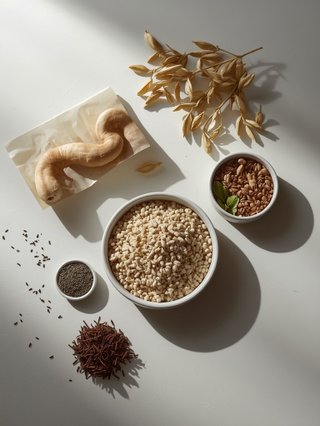
For children accustomed to sweet fruit juices, a gradual dilution with water is recommended to reduce simple sugar content. In cases of constipation, 100% unsweetened fruit juices (e.g., apple, grape, or pear) may serve as a supportive measure, though they should not replace water as the primary fluid source. The diet should also incorporate foods with mild laxative properties, such as dried plums (excellent as an addition to oatmeal or fruit compotes) or flaxseed (which can be prepared as a gel-like pudding or ground and sprinkled over meals throughout the day). Children aged 3 and above may be given small quantities of xylitol, a sweetener that beneficially modulates gut microbiota composition and exhibits a gentle laxative effect.
Conversely, certain foods may aggravate constipation, including: excessive banana consumption, sweets (particularly those containing cocoa or chocolate), cooked carrots, and fine-grained cereals (such as semolina, rice, or corn grits). Additionally, it is advisable to limit the intake of strong black tea and gas-producing foods like cruciferous vegetables (e.g., white cabbage, Brussels sprouts).
Healthy toilet-use practices: Supporting children in developing proper hygiene habits
Want to apply these guidelines in your daily diet?
Our smart diet generator creates a tailored meal plan in 3 minutes based on the recommendations in this article.

mgr Mateusz Pawlak
• 25.09.2026Diets Premium Expert
Diets Premium team expert. Specializes in nutrition plans, strength sports, and training plans.