3 min read

Phototherapy – Indications, Contraindications, Biostimulation and Effects

Phototherapy – Indications, Contraindications, Biostimulation and Effects
1 photo
777

Smart Voice

AI
0:00
0:00
Listen to the article content live
Table of Contents 5
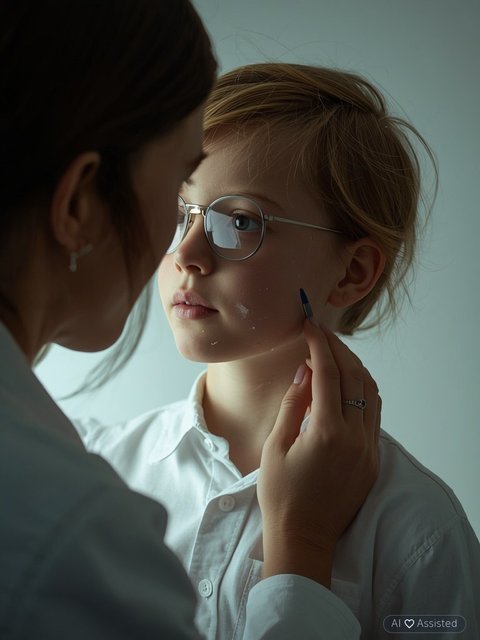
Optical technology now offers enormous possibilities for phototherapy, which is particularly effective for skin imperfections and can correct a wide range of dermatological and aesthetic problems.
01 / 05

Actinic ray therapy: controlled simulation of solar radiation effects on the skin

Actinotherapy constitutes a specialized phototherapeutic modality characterized by the precise laboratory-based replication of solar radiation spectra, with meticulous control over both intensity and exposure duration. This intervention is employed in the management of dermatological conditions with inflammatory, degenerative, or autoimmune etiologies, as well as in the prevention and mitigation of cutaneous aging manifestations. By leveraging targeted wavelengths of light, the technique accelerates epidermal regenerative processes, attenuates localized inflammatory responses, and modulates the immune reactivity of skin tissue, thereby yielding measurable enhancements in structural integrity, elastic properties, and overall aesthetic presentation of the skin.
02 / 05

Clinical applications of actinotherapy: Recommended conditions and dermatological concerns

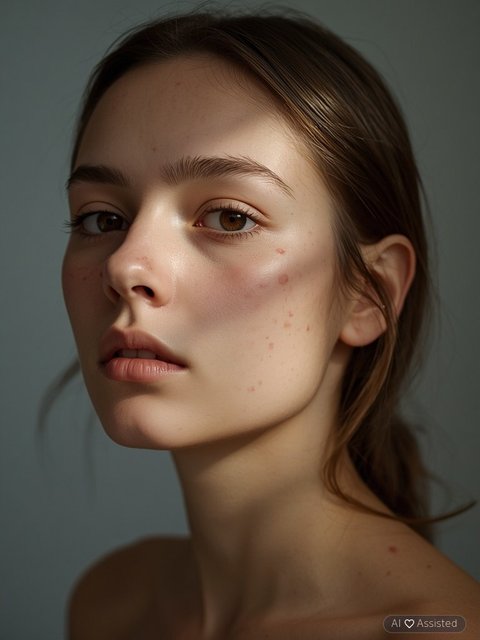
Phototherapeutic interventions extend beyond the management of acne scarring to encompass the correction of pigmentary disorders, including freckles (ephelides) and solar lentigines. Furthermore, this modality demonstrates efficacy in addressing vascular anomalies such as telangiectasias, erythema, and hemangiomas. Its clinical utility has been substantiated in mitigating dynamic wrinkles—particularly those localized to the periorbital region—as well as alleviating periorbital dark circles and under-eye puffiness. Dermatological guidelines advocate for actinotherapy as an adjunctive treatment in cases of atopic dermatitis, acne vulgaris, and rosacea. Additionally, the procedure yields therapeutic benefits for individuals contending with alopecia areata, herpes zoster (shingles), and recurrent herpes simplex virus (HSV) infections.
03 / 05

Critical limitations of actinotherapy: Medical contraindications and scenarios requiring avoidance

Procedures involving exposure to light radiation are not recommended for individuals demonstrating hypersensitivity to light, including those diagnosed with photoallergy or photodermatoses. An absolute contraindication also includes the concurrent use of pharmaceutical agents known to undergo degradation when exposed to ultraviolet or visible radiation, as this may trigger toxic reactions or diminish their therapeutic efficacy. Furthermore, due to potential risks to the developing fetus and the absence of sufficient safety data, this therapeutic modality is categorically excluded for pregnant women. An additional patient cohort precluded from undergoing such treatments consists of individuals with active neoplastic processes—whether primary or metastatic—owing to the theoretical risk that specific light wavelengths could stimulate the proliferation of malignant cells.
04 / 05

Polarized light therapy: Mechanisms of tissue bioactivation through photostimulation

The phenomenon of photobiostimulation is observed within the tissue region exposed to radiation emitted by a specialized polarized light source. This exposure triggers an enhanced activation of cellular immune responses, thereby accelerating the repair of damaged structures in the irradiated area. Consequently, there is a marked upregulation of collagen fiber synthesis in the dermis alongside an optimization of microcirculatory blood flow within the capillary network, both of which cumulatively facilitate epidermal cell regeneration. To achieve the desired therapeutic outcome, the treatment employs a broad electromagnetic spectrum—encompassing visible light as well as selectively chosen wavelengths from the infrared and ultraviolet ranges—with parameters tailored individually according to clinical indications and specific tissue requirements.

05 / 05

Phototherapeutic interventions: biological mechanisms and clinical-cosmetic applications in professional and home-based settings

The specific type of electromagnetic radiation within the light spectrum dictates the nature of the therapeutic and cosmetic outcomes achieved. Infrared radiation (wavelengths ranging from 770 nm to 15,000 nm) is clinically utilized to address chronic inflammatory conditions affecting soft tissues and the skin, as well as trophic disorders. Its properties include deep detoxification of the epidermis through pore cleansing, thereby enhancing the efficacy of cosmetic procedures and optimizing the absorption of active ingredients in skincare formulations. Additionally, this wavelength range facilitates the breakdown of adipose cells located in subcutaneous layers, making it a valuable adjunct in cellulite reduction protocols. Visible light (400–800 nm) exerts multifaceted effects on the human body by stimulating immunological responses and cellular regenerative processes. Disruptions in cellular vibrational patterns, which manifest as metabolic dysfunctions, may contribute to the development of various pathological conditions. Phototherapy employing precisely calibrated wavelengths—corresponding to specific colors—enables the correction of these irregularities through cellular synchronization, forming the foundation of chromotherapy (color light therapy). This discipline, recognized as a cornerstone of complementary medicine, leverages the distinct properties of individual colors to modulate physiological functions. Ultraviolet radiation (100–400 nm) is absorbed by cellular protoplasm, initiating photochemical reactions that subsequently trigger biological alterations. Exposure to this spectrum enhances melanin synthesis within the epidermis, resulting in intensified pigmentation. Skin subjected to UV irradiation demonstrates improved vascularization, enhanced nutrient delivery, and increased elasticity. Furthermore, this radiation exhibits bactericidal and bacteriostatic properties, thereby bolstering local resistance to infections. While phototherapeutic interventions should ideally be administered under the supervision of licensed professionals (physicians or certified therapists), certain techniques have been adapted for safe, independent use in home settings—a significant advantage of this therapeutic modality.
Meal Plan

Want to apply these guidelines in your daily diet?

Our smart diet generator creates a tailored meal plan in 3 minutes based on the recommendations in this article.

Literatura:
Mika T,  Kasprzak W: Fizykoterapia. Wydawnictwo Lekarskie PZWL, Warszawa 2001,
s.85-133.
Straburzyńska-Lupa A, Straburzyński G: Fizjoterapia. Wydawnictwo Lekarskie PZWL, Warszawa 2004, s.377-424.
Scientifically reviewed by a clinical dietitian • 25.09.2026

Literatura: Mika T,  Kasprzak W: Fizykoterapia. Wydawnictwo Lekarskie PZWL, Warszawa 2001, s.85-133. Straburzyńska-Lupa A, Straburzyński G: Fizjoterapia. Wydawnictwo Lekarskie PZWL, Warszawa 2004, s.377-424.

Diets Premium Expert

Diets Premium team expert. Specializes in nutrition plans, strength sports, and training plans.
USDA FoodData Central EFSA PubMed Clinical Guidelines
Loading
Recommended articles in this category

Related Articles

Discover similar publications and expert insights.

Actinomycosis – What It Is, Causes, Symptoms, and Treatment of Bacterial Infection
Dermatological
Actinomycosis – What It Is, Causes, Symptoms, and Treatment of Bacterial Infection
⏱ 2 min czytania
#Dermatological
Helicobacter pylori in Children – Dermatological Manifestations, Examination
Digestive Health
Helicobacter pylori in Children – Dermatological Manifestations, Examination
⏱ 4 min czytania
#Digestive Health #Dermatological
Leek (Allium porrum): Health benefits, nutritional values, and culinary applications
Bioactive Compounds
Leek (Allium porrum): Health benefits, nutritional values, and culinary applications
⏱ 1 min czytania
#Bioactive Compounds #Dermatological
Telangiectasias on the Lower Extremities – Evidence-Based Home Interventions and Vascular Reinforcement: A Comprehensive Guide
Women's Health
Telangiectasias on the Lower Extremities – Evidence-Based Home Interventions and Vascular Reinforcement: A Comprehensive Guide
⏱ 4 min czytania
#Women's Health #Dermatological
Acne Across the Lifespan: Neonatal to Adult Forms – Etiopathogenesis, Gut-Skin Axis, and Dietary Interventions
Pregnancy & Motherhood
Acne Across the Lifespan: Neonatal to Adult Forms – Etiopathogenesis, Gut-Skin Axis, and Dietary Interventions
⏱ 4 min czytania 📚 Pregnancy & Motherhood
#Dermatological #Antibiotic
Sea buckthorn oil – bioactive properties and practical applications in health and cosmetics
Culinary Traditions
Sea buckthorn oil – bioactive properties and practical applications in health and cosmetics
⏱ 3 min czytania
#Culinary Traditions #Dermatological
Siberian fir needle oil (Abies sibirica) – therapeutic properties, dermatological and respiratory applications, and safe dosage
Dermatological
Siberian fir needle oil (Abies sibirica) – therapeutic properties, dermatological and respiratory applications, and safe dosage
⏱ 5 min czytania
#Dermatological #Botanical Applications
Wheat germ oil – characteristics and applications in skincare and natural cosmetology
Natural Skincare Ingredients
Wheat germ oil – characteristics and applications in skincare and natural cosmetology
⏱ 4 min czytania
#Natural Skincare Ingredients #Natural Skincare
Evening primrose oil in clinical context: A comprehensive examination of its efficacy in acne management, fertility enhancement, and adverse effect profiles—does empirical evidence support its purported hormonal regulatory mechanisms?
Polyunsaturated Fatty Acids
Evening primrose oil in clinical context: A comprehensive examination of its efficacy in acne management, fertility enhancement, and adverse effect profiles—does empirical evidence support its purported hormonal regulatory mechanisms?
⏱ 5 min czytania
#Polyunsaturated Fatty Acids #Dermatological
Does castor oil genuinely deliver benefits for facial skin and the under-eye area? A scientific examination and practical applications
Ayurvedic Medicine
Does castor oil genuinely deliver benefits for facial skin and the under-eye area? A scientific examination and practical applications
⏱ 2 min czytania
#Ayurvedic Medicine #Anti-inflammatory
Hypothyroidism and Chronic Constipation: Intestinal Hypomotility and Dietary Strategies
Hypothyroidism
Hypothyroidism and Chronic Constipation: Intestinal Hypomotility and Dietary Strategies
⏱ 2 min czytania
#Hypothyroidism #Dietary Habits
Vitamin E Deficiency and Excess: Dietary Sources, Antioxidant Mechanisms, and Toxicity Risks
Public Health
Vitamin E Deficiency and Excess: Dietary Sources, Antioxidant Mechanisms, and Toxicity Risks
⏱ 3 min czytania
#Public Health #Dermatological
Calcium insufficiency in the human body – distinctive symptoms, cutaneous manifestations, and long-term health repercussions
Health Consequences
Calcium insufficiency in the human body – distinctive symptoms, cutaneous manifestations, and long-term health repercussions
⏱ 3 min czytania
#Health Consequences #Metabolic Processes
Low-salicylate (aspirin-sensitive) diet: fundamental guidelines, indications, and permitted foods
Health Benefits
Low-salicylate (aspirin-sensitive) diet: fundamental guidelines, indications, and permitted foods
⏱ 4 min czytania
#Health Benefits #Analgesic
Mandelic Acid in Aesthetic Dermatology: Mechanisms of Action, Peeling Protocols, Skin Typology, and Safety
Beauty / Skin / Hair
Mandelic Acid in Aesthetic Dermatology: Mechanisms of Action, Peeling Protocols, Skin Typology, and Safety
⏱ 4 min czytania 📚 Beauty / Skin / Hair
#Hydration On The Go #Hydration And Skin
What are tannins? The role of tannins in cosmetics
Beauty / Skin / Hair
What are tannins? The role of tannins in cosmetics
⏱ 3 min czytania 📚 Beauty / Skin / Hair
#Dermatological
Psoriasis – Clinical Characteristics, Subtypes, Symptoms, and the Role of an Anti-Inflammatory Diet
Nutritional Science
Psoriasis – Clinical Characteristics, Subtypes, Symptoms, and the Role of an Anti-Inflammatory Diet
⏱ 9 min czytania 📚 Nutritional Science
#Dietary Patterns #Dietary Changes
Cocoa butter: characteristics, effects, and versatile applications across multiple industrial sectors
Food Science
Cocoa butter: characteristics, effects, and versatile applications across multiple industrial sectors
⏱ 3 min czytania 📚 Food Science
#Dermatological #Industrial
Bioactive dark honey with antioxidant and antibacterial properties
Food & Ingredients
Bioactive dark honey with antioxidant and antibacterial properties
⏱ 3 min czytania 📚 Food & Ingredients
#Traditional Medicine #Oxidative Stress
Garlic as a Functional Therapeutic Agent: Cardiovascular Protection, Immune Modulation, and Hepatobiliary Support
Blood Pressure Regulation
Garlic as a Functional Therapeutic Agent: Cardiovascular Protection, Immune Modulation, and Hepatobiliary Support
⏱ 3 min czytania
#Blood Pressure Regulation #Traditional Medicine
Azadirachta indica (Neem): Azadirachtin Phytochemistry, Dermatology, and Antimicrobial Efficacy
Dermatological
Azadirachta indica (Neem): Azadirachtin Phytochemistry, Dermatology, and Antimicrobial Efficacy
⏱ 4 min czytania
#Dermatological #Antiviral
Nutritional approaches to decelerate aging and botanical compounds supporting cellular longevity
Bioactive Compounds
Nutritional approaches to decelerate aging and botanical compounds supporting cellular longevity
⏱ 9 min czytania
#Bioactive Compounds #Chronic Diseases
Hypothyroidism and Fat Loss: Metabolic Deceleration Mechanisms and Evidence-Based Dietary Strategies
Hypothyroidism
Hypothyroidism and Fat Loss: Metabolic Deceleration Mechanisms and Evidence-Based Dietary Strategies
⏱ 3 min czytania
#Hypothyroidism #Fat Loss
Cutting-Edge Dermatological Innovations: Insights from Laboratory Research
Dermatological
Cutting-Edge Dermatological Innovations: Insights from Laboratory Research
⏱ 4 min czytania
#Dermatological #Recovery
Bergamot essential oil – pharmacological profile, therapeutic mechanisms, and practical uses in aromatherapy and cosmetics
Dermatological
Bergamot essential oil – pharmacological profile, therapeutic mechanisms, and practical uses in aromatherapy and cosmetics
⏱ 2 min czytania
#Dermatological #Citrus
Black cumin seed oil – health properties, management of acne, allergies, and hair care
Dietary Supplementation
Black cumin seed oil – health properties, management of acne, allergies, and hair care
⏱ 5 min czytania
#Dietary Supplementation #Dermatological
The multifunctional properties of olive oil extend far beyond culinary applications—discover its beneficial effects on hair vitality, nail strength, and facial skin health!
Culinary Ingredient
The multifunctional properties of olive oil extend far beyond culinary applications—discover its beneficial effects on hair vitality, nail strength, and facial skin health!
⏱ 4 min czytania
#Culinary Ingredient #Dermatological
Pumpkin Seeds – Evidence-Based Natural Prevention and Nutritional Support for Prostate Health
Food & Ingredients
Pumpkin Seeds – Evidence-Based Natural Prevention and Nutritional Support for Prostate Health
⏱ 3 min czytania 📚 Food & Ingredients
#Prostate Disorder #Nutrient-Dense
Cutaneous pigmentation irregularities: origins and contemporary removal techniques
Dermatological
Cutaneous pigmentation irregularities: origins and contemporary removal techniques
⏱ 5 min czytania
#Dermatological #Strategy
Drugstore vs. Natural Cosmetics: Key Differences in Ingredients, Skin Barrier Impact, and Efficacy
Dermatological
Drugstore vs. Natural Cosmetics: Key Differences in Ingredients, Skin Barrier Impact, and Efficacy
⏱ 4 min czytania
#Dermatological

Share