Phenylketonuria – Medical Treatment, Diet, and Nutritional Guidelines


1 photo
632
Smart Voice
AI
0:00
0:00
Listen to the article content live
Table of Contents 9
PRO Content
PRO
This article is professional premium content (PRO) provided in its entirety.
The cornerstone of phenylketonuria treatment is adhering to an appropriate dietary regimen and, if necessary, employing medical therapy. This diet should be followed throughout the patient's life to prevent the unwanted consequences of this disease. Some food items can be part of the daily diet, while others must be strictly excluded.
01 / 09
Phenylketonuria: Key Insights into the Condition
Phenylketonuria is a congenital metabolic disorder affecting approximately 1 in 7000–8000 newborns in Poland. The condition arises from a deficiency or reduced activity of the enzyme phenylalanine hydroxylase, which is responsible for converting phenylalanine into tyrosine. As a result, phenylalanine accumulates in the body, potentially leading to irreversible damage to the nervous system. Symptoms of elevated phenylalanine levels include concentration difficulties, learning challenges, and excessive physical activity. Without treatment, the disorder can result in severe consequences, particularly irreversible damage to the central nervous system. Early implementation of a phenylalanine-restricted diet is crucial, especially in infants. Diagnosis is made through screening tests, with levels above 10 mg/dl necessitating strict adherence to the diet (D. Włodarek et al. 2015).
02 / 09
Fundamentals of phenylketonuria management
The cornerstone of phenylketonuria treatment is a diet that restricts phenylalanine intake. This is the only proven method of managing the condition. A low-phenylalanine diet must be maintained throughout life, with particular emphasis on adherence during infancy. In cases of phenylketonuria, an infant's diet differs from that of a healthy newborn. There are two primary approaches: a phenylalanine-free diet or specially prepared breast milk. Numerous phenylalanine-free infant products are available, marked with the abbreviation PKU. When breastfeeding, the milk must be expressed and measured appropriately, taking into account phenylalanine levels. Newborns tolerate higher amounts of this amino acid than adults, but the daily dose should not exceed 30–50 mg/kg of body weight. In older children, tolerance ranges from 10–20 mg/kg, while adults should not exceed 5–10 mg/kg (D. Włodarek et al. 2015). Early dietary intervention prevents learning difficulties and enhances concentration and intelligence. In atypical forms of phenylketonuria, pharmaceutical preparations such as tetrahydrobiopterin are also used (E. Jameson, T. Remmington 2020). Foods high in phenylalanine, including meat, eggs, and milk, should be avoided. To prevent protein deficiency, substitute preparations are used, which should cover 80% of daily protein requirements. The remaining needs are met through low-phenylalanine foods (N. Al Hafid, J. Christodoulou 2015). Fat and carbohydrate intake should align with recommendations for healthy individuals.
03 / 09
Permitted and Restricted Food Products
Permitted products include those that do not naturally contain phenylalanine. While there are relatively few such items, they can be consumed without restrictions, provided one exercises common sense (D. Włodarek et al., 2015). Examples include:
- honey,
- mineral water,
- vegetable oils,
- sugar,
- tea,
- fruit candies.
04 / 09
Permitted products with restricted consumption limits
Due to their phenylalanine content, the intake of these products should be carefully monitored. Excessive consumption may result in elevated amino acid levels in the blood (J. C. Rocha, A. MacDonald 2016).
05 / 09
Prohibited food items
The catalog of restricted items in a low-phenylalanine diet is considerably more extensive than the list of permitted foods. Excluding the following products may substantially lower phenylalanine levels in the patient's bloodstream (D. Włodarek et al., 2015). Prohibited categories include: – meat and meat products, – fish, – eggs, – dairy and milk derivatives, – legumes, – grains (excluding previously mentioned), – nuts, – seeds and kernels.
06 / 09
Nutritional guidelines for individuals with phenylketonuria
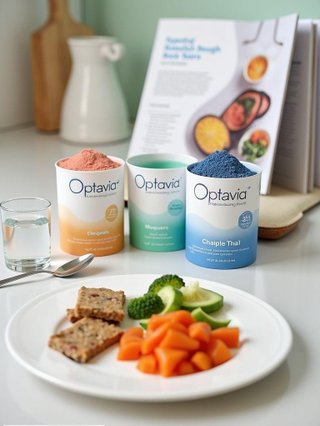
Currently, there are numerous products available for individuals with phenylketonuria. Due to increasing interest in this condition, food alternatives with lower phenylalanine content are being produced. In stores, one can find bread, flour, pasta, rice, puddings, and cakes. This type of food is labeled as PKU and is typically found in the health food section. Additionally, there are specialized PKU stores and websites offering such products. These items diversify the diet of affected individuals and significantly facilitate adherence to strict dietary guidelines. Over time, following such a diet becomes easier, and meal planning becomes more efficient. Phenylalanine tolerance is individual and requires dose adjustment, which is possible through consultations with doctors and dietitians. Both insufficient and excessive phenylalanine intake can be harmful to health. In addition to previously mentioned symptoms of excess, fatigue, anemia, and appetite disturbances may occur, which result from too low an amino acid level in the blood. To better control phenylalanine intake, specialized tables can be used, which doctors and dietitians often provide to their patients. Additionally, the internet contains information about the amino acid content in various food products. To monitor phenylalanine levels in the blood, regular laboratory tests are necessary. In the first year of a child's life, these should be conducted weekly, children up to 12 years old should have them every two weeks, and older children and adults should have them monthly. This allows for the assessment of amino acid levels and the impact of diet on this parameter. If medically necessary, a doctor may order more frequent blood tests.
07 / 09
Sample low-phenylalanine meal options
Phenylalanine per serving: 79.5 mg Ingredients (per serving): – pumpkin – 1 glass, – carrot – 1 piece, – parsley – ½ piece, – water – ¾ glass, – olive oil – 1 teaspoon. Preparation method: 1. Peel the pumpkin, remove seeds, and cut into cubes. 2. Wash the carrot and parsley thoroughly, peel, and slice thinly. 3. Place vegetables in a pot, cover with water, and simmer until tender (approx. 20 minutes). 4. Remove from heat and blend the contents into a smooth consistency. 5. Pour the soup onto a plate and garnish with olive oil.
08 / 09
Pasta with spinach and cherry tomatoes
This dish contains 93.3 milligrams of phenylalanine. Ingredients per serving include: PKU pasta (quantity: one glass), olive oil (quantity: one teaspoon), onion (quantity: one piece), spinach leaves (quantity: two handfuls), and cherry tomatoes (quantity: one handful). Preparation: 1. Cook the pasta in salted water. 2. Heat the olive oil in a pan and sauté the diced onion. 3. Add the spinach and simmer on low heat with a lid for approximately 10 minutes. 4. Then, add the cooked pasta and mix thoroughly. 5. Transfer to a plate and top with sliced cherry tomatoes.
09 / 09
Green smoothie
Phenylalanine content: 69.5 mg. Ingredients (per serving): celery stalk – one stalk, avocado – half a fruit, apple – one fruit, water – one glass, olive oil – one tablespoon. Preparation method: 1. Thoroughly wash, peel, and chop the fruits into smaller pieces. 2. Combine all ingredients in a blender and blend until smooth.
Meal Plan
Want to apply these guidelines in your daily diet?
Our smart diet generator creates a tailored meal plan in 3 minutes based on the recommendations in this article.

Scientifically reviewed by a clinical dietitian
• 25.09.2026
mgr Jameson E., Remmington T., Dietary interventions for phenylketonuria, „Cochrane Database of Systematic Reviews” 2020, 7, 1–27. Naz Al. H., Christodoulou J., Phenylketonuria: a review of current and future treatments, „Translational Pediatrics” 2015, 4(4), 304. Program badań przesiewowych noworodków w Polsce na lata 2019–2022, Warszawa 2018. Rocha J.C., MacDonald A., Dietary intervention in the management of phenylketonuria: current perspectives, „Pediatric health, medicine and therapeutics” 2016, 7, 155–163. Włodarek D. et al., Dietoterapia, Warszawa 2015, 246–250.
Diets Premium Expert
Diets Premium team expert. Specializes in nutrition plans, strength sports, and training plans.
USDA FoodData Central
EFSA
PubMed Clinical Guidelines