Sleep disorders and insomnia in infants and children: sleep architecture, metabolic factors, and circadian rhythm hygiene
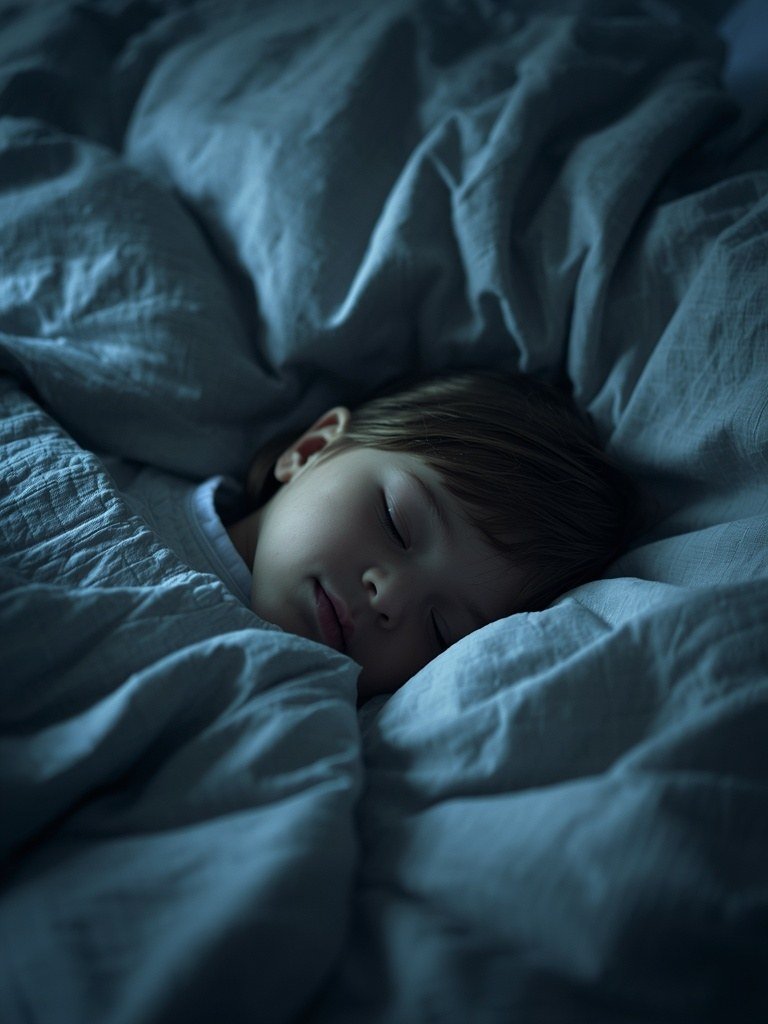
Table of Contents 3
Medical & Editorial Disclaimer (§3 Terms): This article is for informational and educational purposes only, does not constitute medical advice, diagnosis, or treatment, and is used at your own risk. Consult a qualified physician for medical conditions.
The physiological structure of infant sleep is defined by unique ultradian cycles and a predominance of active sleep phases that support synaptogenesis. Persistent nocturnal awakenings often stem from underlying organic triggers, including gastroesophageal reflux, sensitivities to cow milk proteins, or iron deficiencies, which can cause significant physical discomfort and disrupt the natural progression of sleep cycles throughout the night.
Practical strategies for improving sleep hygiene focus on aligning the child with natural circadian cues and creating a supportive ambient environment. It is particularly important to minimize exposure to artificial blue light from electronic devices, as this can interfere with the body's natural melatonin production. By establishing consistent bedtime routines and maintaining a stable sleep environment, caregivers can help promote better sleep quality and support the child's natural ability to settle and remain asleep.
Sleep represents an indispensable neurodevelopmental state driving synaptogenesis, long-term memory consolidation, and pulsatile somatotropin (growth hormone) secretion throughout childhood. Sleep-onset difficulties, chronic nocturnal awakenings, and shortened sleep duration impact 25% to 40% of pediatric cohorts, generating significant parental distress. This clinical review evaluates infantile ultradian sleep cycles, melatonin entrainment, organic drivers of nocturnal disruption (gastroesophageal reflux, cow's milk protein allergy, iron deficiency with restless sleep), and behavioral sleep hygiene routines.
Pediatric Sleep Architecture: Ultradian Cycles, REM Dominance, and Circadian Maturation
Pediatric sleep architecture displays unique developmental characteristics:
- Accelerated Ultradian Cycles (50 to 60 Minutes): Infant sleep cycles last roughly half the duration of adult 90-minute patterns. Each cycle terminates in transient micro-arousals; lacking self-soothing skills, infants require parental intervention to bridge cycles.
- REM Phase Predominance: Active REM sleep constitutes 50% of neonatal sleep quotas, facilitating synaptogenesis and central nervous maturation, characterized by facial twitches, rapid eye movements, and irregular breathing.
- Circadian Pineal Melatonin Maturation: Neonates lack intrinsic diurnal melatonin rhythmicity, acquiring synchronized pineal output around 8 to 12 weeks of postnatal life in response to natural diurnal light-dark cycles.
- Age-Specific Wake Windows: Optimal periods of wakefulness expand from 45–60 minutes in newborns to 3–4 hours by month 12. Exceeding physiological wake thresholds prompts compensatory cortisol and adrenaline surges, precipitating acute overtired agitation.
Organic and Nutritional Drivers of Sleep Disruption: Reflux, Allergies, and Iron Stores
Persistent pediatric insomnia mandates excluding occult organic triggers:
- Gastroesophageal Reflux Disease (GERD): Lower esophageal sphincter immaturity enables acidic gastric washback exacerbated by supine positioning, provoking painful chemical esophagitis, back-arching (Sandifer syndrome), and screaming nocturnal awakenings.
- Cow's Milk Protein Allergy (CMPA): Non-IgE-mediated inflammatory responses to bovine caseins and whey provoke chronic enteric mucosal inflammation, colicky dysmotility, and pruritic atopic dermatitis exacerbations that dismantle sleep consolidation.
- Subclinical Iron/Ferritin Depletion: Cerebral iron insufficiency downregulates dopaminergic signaling, precipitating pediatric restless legs syndrome (RLS) and periodic limb movement disorder (PLMD) manifesting as restless thrashing and frequent arousals.
- Prandial Evening Dysglycemia: Ingesting high-glycemic carbohydrates close to bedtime triggers nocturnal reactive hypoglycemia, stimulating sympathetic adrenaline pulses that awaken the child in a panicked state.
Circadian Sleep Hygiene and Bedtime Routines: Light Spectrum, Ambient Temperature, and Consistency
Optimizing external chronobiological cues creates an indispensable platform for consolidated sleep:
- Eliminating Artificial Blue-Light Exposure: Emitted by electronic displays (tablets, smartphones, LED monitors) at 450–480 nm wavelengths, artificial blue light activates retinal intrinsically photosensitive retinal ganglion cells (ipRGCs), immediately halting pineal melatonin secretion. Electronic media must be prohibited for at least two hours prior to bedtime.
- Thermal and Ambient Sleep Architecture: Maintaining nursery temperatures between 18°C and 20°C (64–68°F) with 50% to 60% relative humidity. Hyperthermia disrupts natural nocturnal core body temperature cooling, elevating sudden infant death syndrome (SIDS) risks. Use total room blackout shielding.
- Consistent Predictable Bedtime Routines: Implementing an unvarying 20 to 30-minute transitional sequence (warm bath, cutaneous massage, dim lighting, quiet lullaby or reading) anchors conditioned Pavlovian behavioral calm.
- Daytime Napping Architecture and Adenosine Pressure: Inappropriate timing of late-afternoon naps dissipates homeostatic sleep pressure (adenosine accumulation), impeding evening sleep onset. Enforce a mandatory wake buffer of at least 3.5 to 4 hours between the final daytime nap and bedtime.
Want to apply these guidelines in your daily diet?
Our smart diet generator creates a tailored meal plan in 3 minutes based on the recommendations in this article.

Kacper Nowak
• 23.10.2026Diets Premium Expert
Diets Premium team expert. Specializes in nutrition plans, strength sports, and training plans.