Patellofemoral joint disorders – causes, symptoms, and knee pain rehabilitation
Table of Contents 3
Medical & Editorial Disclaimer (§3 Terms): This article is for informational and educational purposes only, does not constitute medical advice, diagnosis, or treatment, and is used at your own risk. Consult a qualified physician for medical conditions.
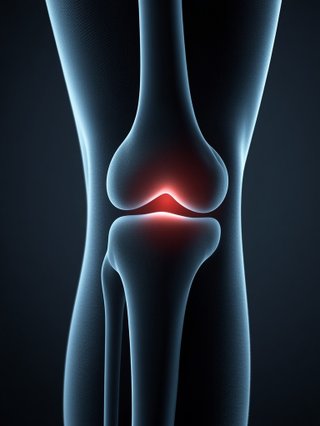
Underlying etiologies are diverse, encompassing conditions such as patellar tendinopathy, excessive lateral pressure syndrome, iliotibial band syndrome, and bursitis resulting from repetitive, high-intensity mechanical stress. Clinical manifestations typically feature mechanical instability, such as a sudden giving way of the kneecap during dynamic flexion and extension movements or stair climbing. A comprehensive diagnostic assessment is essential to differentiate between structural joint instability and purely functional mechanical pain.
Practical management centers on structured rehabilitative exercises designed to systematically stretch and strengthen the musculature supporting the joint. Consulting qualified healthcare professionals ensures an accurate diagnosis and guides safe, evidence-based recovery strategies. Prioritize gradual progression in physical activities and listen carefully to your body to support optimal knee function and daily wellbeing.
Painful conditions of the knee joint – common etiologic factors and predisposing disorders
Characteristic clinical manifestations and associated symptoms of patellofemoral joint dysfunction
Therapeutic approaches for patellofemoral joint pain: from diagnosis to rehabilitation
Want to apply these guidelines in your daily diet?
Our smart diet generator creates a tailored meal plan in 3 minutes based on the recommendations in this article.

Kacper Nowak
• 23.10.2026Diets Premium Expert
Diets Premium team expert. Specializes in nutrition plans, strength sports, and training plans.