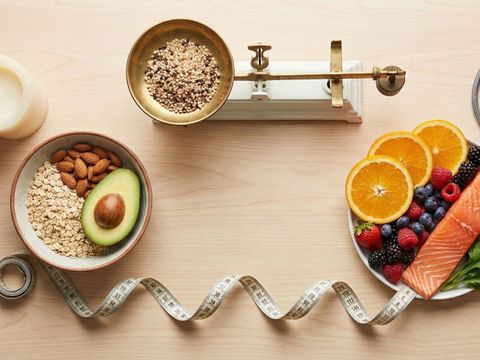
Optimal timing for drinking water: before, during, or after meals?
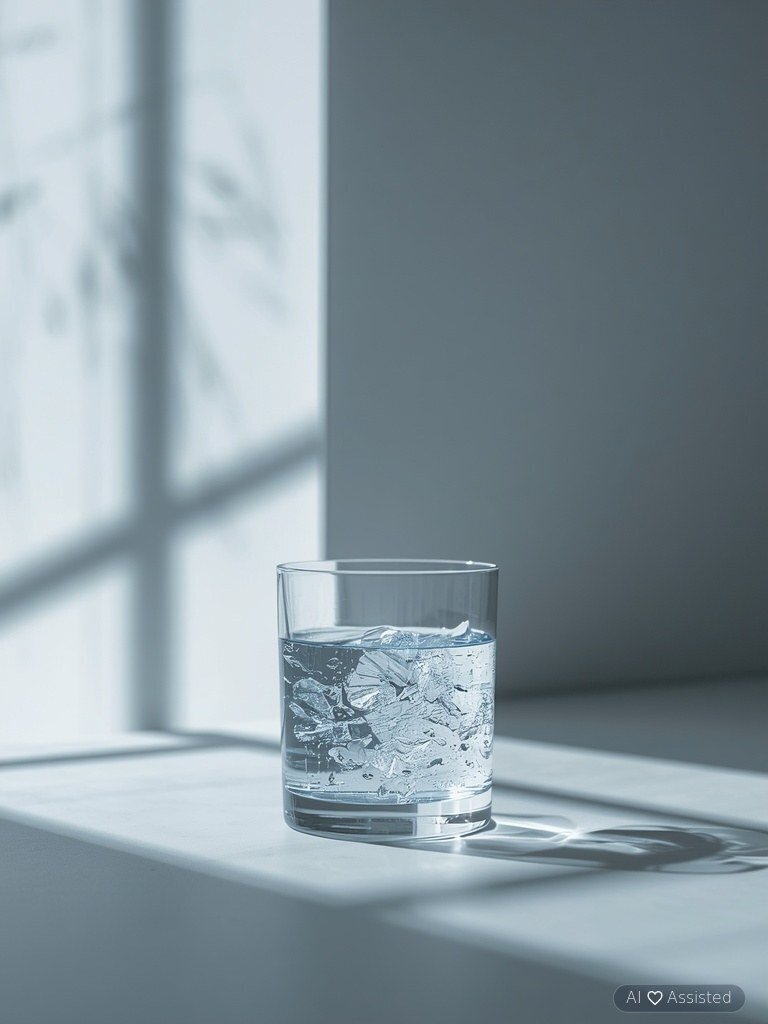
Optimal timing for drinking water: before, during, or after meals?
1 photo
643

Smart Voice

AI
0:00
0:00
Listen to the article content live
Table of Contents 4

Optimal hydration is a fundamental pillar of metabolic homeostasis, thermoregulation, and efficient gastrointestinal function. Yet the timing of fluid intake relative to meals remains surrounded by popular myths—ranging from advice to drink water before eating to fears that sipping water during meals dilutes digestive enzymes.

What does modern digestive physiology and clinical nutrition say about drinking water before, during, and after meals? When is sipping fluids helpful, when should patients with gastrointestinal disorders space out their fluid intake, and which beverages impair mineral absorption?

01 / 04

Drinking water before a meal – effects on satiety signaling and weight loss

Drinking one glass of water (approx. 250–350 ml) 20–30 minutes before a main meal is one of the simplest, clinically validated strategies for supporting appetite regulation and weight management.

Several physiological mechanisms explain this benefit:

  • Activation of gastric mechanoreceptors: pre-meal water intake gently distends the stomach wall, transmitting early satiety signals via vagal afferent pathways to the hypothalamus and reducing subsequent caloric intake at the meal.
  • Distinguishing thirst from hunger: because hypothalamic thirst and hunger centers are closely integrated, mild dehydration is frequently misperceived as hunger; hydrating beforehand prevents unnecessary overeating.
  • Priming mucosal secretions: adequate cellular hydration prior to eating supports optimal salivary flow and gastric mucus production.
02 / 04

Drinking water during and after meals vs. gastric juice and digestive enzymes – facts and myths

A widespread myth claims that sipping water during a meal dangerously “dilutes” hydrochloric acid (HCl) and digestive enzymes (such as pepsin), halting digestion. From the standpoint of clinical gastrointestinal physiology, in healthy individuals, sipping a moderate amount of water (100–200 ml) during or after a meal does not impair digestion; in fact, water serves as the essential reaction medium for enzymatic hydrolysis of proteins, carbohydrates, and lipids and softens the food bolus.

Nevertheless, there are specific clinical scenarios where drinking large volumes of fluid during meals should be avoided:

  • Washing down unchewed food: using gulps of water to swallow poorly masticated food bypasses mechanical breakdown and shortens contact time with salivary alpha-amylase in the oral cavity, promoting postprandial bloating.
  • Gastroesophageal reflux disease (GERD) and hiatal hernia: combining a large solid meal with high fluid volume increases intragastric pressure and transient lower esophageal sphincter relaxations, exacerbating acid reflux and heartburn.
  • Functional dyspepsia and gastroparesis: patients experiencing early satiety, postprandial fullness, or delayed gastric emptying benefit from separating major fluid intake from solid meals by 30–45 minutes.
03 / 04

Which beverages to choose with meals and which to avoid (tannins, coffee, tea, carbonated water)?

Far more consequential than small sips of water during a meal is the biochemical composition of the beverage chosen, as certain plant compounds strongly interact with micronutrient absorption:

  • Black tea, green tea, and coffee: rich in tannins and chlorogenic acid, these beverages chelate non-heme iron in the gastrointestinal lumen into insoluble complexes, reducing iron absorption by 50–70%. Individuals with iron-deficiency anemia, low ferritin, pregnant women, and vegetarians should wait at least 45–60 minutes after meals before drinking tea or coffee.
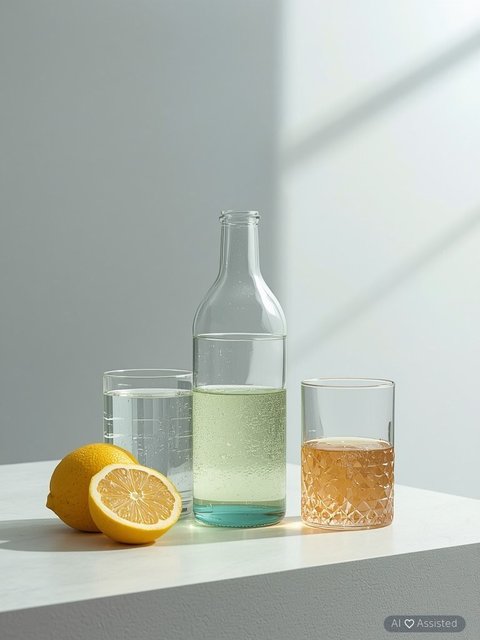
  • Still water with fresh lemon juice: an ideal accompaniment to iron-rich meals (lean meats, legumes, whole grains, leafy greens), as ascorbic acid and citric acid reduce ferric iron (Fe3+) to the highly absorbable ferrous state (Fe2+).
  • Carbonated water and bloating: while harmless for healthy individuals, sparkling water can increase gastric distension, belching, and flatulence in patients with irritable bowel syndrome (IBS) or acid reflux.
04 / 04

Practical daily hydration schedule for optimal metabolism

Baseline daily fluid requirements for adults average 30–35 ml per kilogram of body weight (approximately 2.0–2.5 liters per day, increasing with physical exercise and ambient heat). To maintain optimal intracellular hydration without overloading the stomach or kidneys, follow a steady hydration rhythm:

  • Upon waking: drink 1 glass (250 ml) of room-temperature or warm water to replenish overnight insensible fluid losses and gently stimulate bowel motility.
  • 20–30 minutes before main meals: drink 1 glass of water to support physiological satiety signaling.
  • Between meals: sip 150–200 ml consistently every hour rather than chugging large volumes all at once.
  • In the evening: taper heavy fluid intake 1–1.5 hours before bedtime to prevent nocturia and protect uninterrupted sleep architecture.
Meal Plan

Want to apply these guidelines in your daily diet?

Our smart diet generator creates a tailored meal plan in 3 minutes based on the recommendations in this article.

mgr Tim Klein
Scientifically reviewed by a clinical dietitian • 23.10.2026

mgr Tim Klein

Diets Premium Expert

Diets Premium team expert. Specializes in nutrition plans, strength sports, and training plans.

USDA FoodData Central EFSA PubMed Clinical Guidelines
Loading
Recommended articles in this category

Related Articles

Discover similar publications and expert insights.

Sparkling water and weight loss. Is sparkling water beneficial for health?
Water Intake
Sparkling water and weight loss. Is sparkling water beneficial for health?
⏱ 5 min czytania
#Water Intake #Weight Loss
The role of fluids and food products in ensuring optimal hydration of the body
Electrolyte Balance
The role of fluids and food products in ensuring optimal hydration of the body
⏱ 2 min czytania
#Electrolyte Balance #Nutritional Science
Cucumbers (Cucumis sativus): Nutritional profile, bioactive compounds, practical culinary uses, and scientific facts
Bioactive Compounds
Cucumbers (Cucumis sativus): Nutritional profile, bioactive compounds, practical culinary uses, and scientific facts
⏱ 4 min czytania
#Bioactive Compounds #Detoxification
How much water should you drink daily? Accurate methods for calculating your personalized fluid requirements
Hydration
How much water should you drink daily? Accurate methods for calculating your personalized fluid requirements
⏱ 6 min czytania 📚 Hydration
#Musculoskeletal System #Nutrient Absorption
Flavored Waters – Ingredient Analysis, Hidden Sugars, Enamel Erosion, and Healthy Homemade Infusions
Caloric Content
Flavored Waters – Ingredient Analysis, Hidden Sugars, Enamel Erosion, and Healthy Homemade Infusions
⏱ 3 min czytania
#Caloric Content #Macronutrients
Core tenets, the four operational phases, and clinical safety evaluation of the Dukan diet methodology
Metabolic Efficiency
Core tenets, the four operational phases, and clinical safety evaluation of the Dukan diet methodology
⏱ 2 min czytania
#Metabolic Efficiency #Mineral Water
Milk thistle (Silybum marianum) – therapeutic benefits for liver health, hair vitality, and weight management. Safety considerations during pregnancy
Liver Detox
Milk thistle (Silybum marianum) – therapeutic benefits for liver health, hair vitality, and weight management. Safety considerations during pregnancy
⏱ 4 min czytania 📚 Liver Detox
#Weight Management #Detoxification
MODY-Type Diabetes - A Rare Yet Significant Health Issue
Weight Management
MODY-Type Diabetes - A Rare Yet Significant Health Issue
⏱ 7 min czytania 📚 Weight Management
#Obesity #Type 2 Diabetes
Osteoporosis: Comprehensive Preventive Strategies, Natural Therapeutic Approaches, and Dietary Recommendations – Analyses and Diagnostic Insights into Bone Disease
Bone Health
Osteoporosis: Comprehensive Preventive Strategies, Natural Therapeutic Approaches, and Dietary Recommendations – Analyses and Diagnostic Insights into Bone Disease
⏱ 5 min czytania 📚 Bone Health
#Nutrition Recommendations #Dietary Recommendations
Diabetic diet - what to eat and what to avoid
Health Conditions
Diabetic diet - what to eat and what to avoid
⏱ 5 min czytania 📚 Health Conditions
#Type 2 Diabetes #Metabolic
The physiological role of copper in humans: implications of deficiency and excess – biochemical characteristics and functional properties of this trace mineral
Nutritional Science
The physiological role of copper in humans: implications of deficiency and excess – biochemical characteristics and functional properties of this trace mineral
⏱ 4 min czytania 📚 Nutritional Science
#Maintenance #Functional
Mandelic Acid in Aesthetic Dermatology: Mechanisms of Action, Peeling Protocols, Skin Typology, and Safety
Beauty / Skin / Hair
Mandelic Acid in Aesthetic Dermatology: Mechanisms of Action, Peeling Protocols, Skin Typology, and Safety
⏱ 4 min czytania 📚 Beauty / Skin / Hair
#Hydration On The Go #Hydration And Skin
Lactic Acid in Facial Skincare: NMF Hydration, Gentle Exfoliation, and Ceramide Stimulation
Beauty / Skin / Hair
Lactic Acid in Facial Skincare: NMF Hydration, Gentle Exfoliation, and Ceramide Stimulation
⏱ 5 min czytania 📚 Beauty / Skin / Hair
#Hydration On The Go #Versatile Ingredient
Dehydration – Causes, Symptoms, Treatment Methods
Hydration
Dehydration – Causes, Symptoms, Treatment Methods
⏱ 6 min czytania
#Hydration #Body Composition
Source, Mineral, Alkaline or Tap Water - What Type of Water to Choose for Drinking
Hydration
Source, Mineral, Alkaline or Tap Water - What Type of Water to Choose for Drinking
⏱ 9 min czytania 📚 Hydration
#Hydration #Mineral
Winter Beverages That Raise Body Temperature
Hydration
Winter Beverages That Raise Body Temperature
⏱ 3 min czytania 📚 Hydration
#Hydration #Beverages
Which Beverages to Choose in the Summer? Ensuring Proper Hydration on Hot Days
Hydration
Which Beverages to Choose in the Summer? Ensuring Proper Hydration on Hot Days
⏱ 6 min czytania
#Hydration #Health Consequences
Influence of Excessive Dietary Sugar on Skin Condition
Proper Hydration
Influence of Excessive Dietary Sugar on Skin Condition
⏱ 3 min czytania
#Proper Hydration #Hydration
5 Products Supporting Renal Function
Hydration
5 Products Supporting Renal Function
⏱ 5 min czytania
#Hydration #Health Consequences
How to Ensure Proper Hydration During Heatwaves
Hydration
How to Ensure Proper Hydration During Heatwaves
⏱ 7 min czytania
#Hydration #Proper Hydration
How Can You Ensure the Body Gets Enough Fluids? Does Tea Cause Dehydration?
Hydration
How Can You Ensure the Body Gets Enough Fluids? Does Tea Cause Dehydration?
⏱ 4 min czytania
#Hydration #Beverages
Prickly pear seed oil: properties, applications, and reviews. Does it truly function as a natural Botox substitute?
Oxidative Stress
Prickly pear seed oil: properties, applications, and reviews. Does it truly function as a natural Botox substitute?
⏱ 3 min czytania
#Oxidative Stress #Antioxidants
Optimize Cellular Hydration Through Whole Grains: Oats, Rice, and Millet
Fluid Balance
Optimize Cellular Hydration Through Whole Grains: Oats, Rice, and Millet
⏱ 1 min czytania
#Fluid Balance #Oatmeal
Skin dehydration – symptoms, causes, and natural care methods for dry skin
Natural Remedies
Skin dehydration – symptoms, causes, and natural care methods for dry skin
⏱ 8 min czytania
#Natural Remedies #Water Retention
Practicing sports? Ensure adequate hydration!
Hydration
Practicing sports? Ensure adequate hydration!
⏱ 1 min czytania 📚 Hydration
#Proper Hydration #Hydration
Isotonic beverages – essential facts and their role in athletic performance
Nutritional Composition
Isotonic beverages – essential facts and their role in athletic performance
⏱ 4 min czytania
#Nutritional Composition #Isotonic Beverages
Cellular Hydration via Whole Foods: Gel-State Water, Electrolyte Gradients, and Fluid Balance
Electrolyte Balance
Cellular Hydration via Whole Foods: Gel-State Water, Electrolyte Gradients, and Fluid Balance
⏱ 5 min czytania
#Electrolyte Balance #Bioactive Compounds
Dehydration during physical exercise: Physiological consequences and evidence-based hydration strategies
Physical Activity
Dehydration during physical exercise: Physiological consequences and evidence-based hydration strategies
⏱ 3 min czytania
#Physical Activity #Sport Coaching
Sesame oil – properties, culinary and cosmetic applications, and homemade recipe ideas
Natural Antioxidants
Sesame oil – properties, culinary and cosmetic applications, and homemade recipe ideas
⏱ 4 min czytania
#Natural Antioxidants #Homemade Recipes
Hydration optimization: How to identify and choose the most health-beneficial water before routine consumption
Fluid Balance
Hydration optimization: How to identify and choose the most health-beneficial water before routine consumption
⏱ 1 min czytania
#Fluid Balance #Hydration

Share