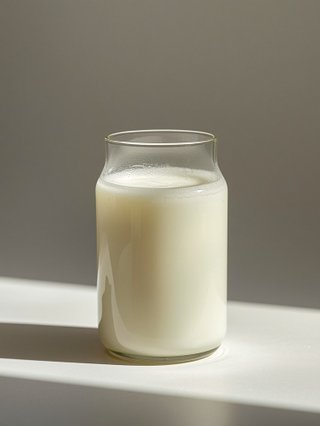
Optimal dietary strategies for people with lactose intolerance – how to minimize digestive discomfort?


Table of Contents 10
Medical & Editorial Disclaimer (§3 Terms): This article is for informational and educational purposes only, does not constitute medical advice, diagnosis, or treatment, and is used at your own risk. Consult a qualified physician for medical conditions.
Physiologically, unhydrolyzed lactose passing into the large intestine undergoes rapid bacterial fermentation, triggering typical gastrointestinal symptoms. However, combining dairy with mixed meals containing fats and proteins effectively slows gastric emptying, giving residual intestinal enzymes more time to process the sugars efficiently. Furthermore, incorporating fermented dairy products such as natural yogurts or long-ripened hard cheeses introduces active microbial cultures that naturally reduce lactose concentrations during production and digestion.
Practical implementation involves exploring commercial lactose-free dairy alternatives or utilizing exogenous lactase enzyme supplements taken at the start of a dairy-containing meal for seamless symptom management. Because restricting dairy can pose challenges regarding bone health, it remains vital to include alternative plant-based sources of calcium, seeds, and mineral-rich waters in daily nutrition. This balanced strategy promotes long-term gastrointestinal wellness and nutritional adequacy.
This article is professional premium content (PRO) provided in its entirety.
Lactose intolerance is a prevalent gastrointestinal condition stemming from deficiency of the brush-border enzyme lactase (hypolactasia), which hydrolyzes milk disaccharide (lactose) into glucose and galactose. Undigested lactose passes into the colon, undergoing rapid bacterial fermentation that triggers meteorism, abdominal cramps, and osmotic diarrhea. An evidence-based dietary approach does not mandate draconian elimination of all dairy, but rather leverages individual tolerance thresholds, aged fermented products, and targeted lactase supplementation.
Pathophysiology of Lactose Intolerance and Sugar Content in Dairy
Lactose concentration across dairy matrices varies dramatically based on production and aging protocols:
- High-lactose products – fresh fluid cow's milk (4.8–5.0 g/100 g), condensed milk (up to 10 g/100 g), powdered whey, and standard dairy ice creams.
- Virtually lactose-free hard cheeses – long-ripened cheeses (Parmigiano-Reggiano, aged Gouda, Cheddar, Emmental) where fermentation bacteria metabolize lactose into lactic acid (<0.1 g/100 g).
- Natural butter – predominantly butterfat containing minimal whey remnants (~0.6–0.8 g/100 g), generally well-tolerated by hypolactasic individuals.
Individual Tolerance Threshold and Combining Dairy with Meals
Primary hypolactasia rarely necessitates complete abstinence from dietary lactose:
- Safe single-dose threshold – extensive clinical evidence confirms that up to 12 g of lactose (~1 cup of milk) is tolerated without symptoms when consumed alongside meals.
- Buffering with fat, protein, and fiber – consuming dairy on an empty stomach triggers rapid gastric emptying; ingesting dairy within mixed meals decelerates chyme transit, allowing residual intestinal lactase to cleave the sugar efficiently.
Fermented Dairy Products and the Role of Live Probiotic Cultures
Cultured yogurts, kefir, and traditional buttermilks exhibit outstanding clinical gastrointestinal tolerance:
- Bacterial autodigestion – live yogurt cultures (Lactobacillus bulgaricus, Streptococcus thermophilus) produce microbial beta-galactosidase that survives gastric transit to digest lactose in situ.
- Lactic fermentation reduction – bacterial pre-digestion decreases raw lactose concentrations by 20% to 30%.
- Microbiome reinforcement – probiotics bolster gut barrier defenses, minimizing gas-producing fermentation in the large intestine.
Exogenous Lactase Enzyme Supplements and Lactose-Free Products
Food technology and nutritional pharmacology provide reliable interventions for symptom-free living:
- Exogenous lactase enzymes (FCC units) – oral lactase tablets (derived from Aspergillus oryzae) taken right at the first bite of a dairy meal break down lactose in the stomach (typical dose: 4,500–9,000 FCC units).
- Lactose-free commercial dairy – fluid milk, cottage cheese, and creams pre-treated with commercial lactase, in which lactose is already hydrolyzed into sweet glucose and galactose.
Preventing Calcium and Vitamin D Deficiencies in Elimination Diets
The chief long-term clinical danger of unguided dairy elimination is inadequate calcium intake predisposing to premature osteopenia:
- Plant-derived calcium sources – calcium-fortified plant beverages (soy, oat, almond), calcium-set tofu, sesame seeds (tahini), almonds, dried figs, and low-oxalate greens (kale, bok choy).
- Calcium-dense mineral waters – waters yielding >150 mg Ca2+/L exhibit enteral bioavailability on par with dairy milk.
- Vitamins D3 and K2 synergy – critical cofactors facilitating intestinal calcium transport and directing mineral deposition into bone matrix.
Choose calcium-rich products
How can you reduce the symptoms of lactose intolerance?
Eat your yogurt
What about the white cheese?
Milk products are eaten with meals
Want to apply these guidelines in your daily diet?
Our smart diet generator creates a tailored meal plan in 3 minutes based on the recommendations in this article.

https://artofhealthyliving.com/eating-wisely-if-you-have-lactose-intolerance, dostęp w dniu 26.09.2021r. 2. https://ncez.pzh.gov.pl/choroba-a-dieta/nietolerancja-laktozy-co-mozna-stosowac-a-czego-unikac-w-diecie/, dostęp w dniu 26.09.2021r. 3.https://www.jagiellonskiecentruminnowacji.pl/data/2019/01/nietolerancja_laktozy_broszura_f.pdf, dostęp w dniu 26.09.2021r. Guzek M., Borys B., Sulkowska A., Smoczyński M. (2011). Rola nietolerancji pokarmowych w powstawaniu objawów zespołu jelita nadwrażliwego u dorosłych. „Via Medica”, tom 5, nr 3, str. 239-246.
• 23.10.2026Diets Premium Expert
Diets Premium team expert. Specializes in nutrition plans, strength sports, and training plans.