5 min read
Occupational pressure: Factors, symptoms, impacts, and effective coping mechanisms

1 photo
640
Smart Voice
AI
0:00
0:00
Listen to the article content live
Table of Contents 5
Pressure is often referred to as the disease of the 21st century. Everyone is potentially affected by its negative impacts. There are many definitions of pressure, one of which is that it's the body's defense response, which manifests itself in a fight-or-flight attitude. Some choose to fight the pressure and are able to overcome it, while others flee and avoid confrontation.
01 / 05
The phenomenon of occupational stress and its impact on individual functioning in the workplace environment
A substantial portion of our active lives unfolds within professional settings, where empirical research indicates that as many as 85 percent of surveyed individuals experience regular stress-inducing circumstances. Those most vulnerable to adverse outcomes tend to be individuals with a pessimistic outlook, characterized by introversion and a propensity to interpret challenges as evidence of personal inadequacy. Conversely, individuals with an optimistic disposition perceive stress as a potential opportunity for growth, which in turn motivates them toward constructive action. They adopt a task-focused strategy, viewing obstacles as catalysts for engagement. It is essential to recognize that the stress response represents a physiological adaptation to the dynamic conditions of the workplace environment. Nevertheless, the critical priority lies in identifying and mitigating its underlying causes to preserve psychological equilibrium. Prolonged exposure to stress factors may trigger a cascade of detrimental consequences, affecting both somatic and psychological well-being.
02 / 05
Occupational stress syndrome: physical, emotional, and behavioral manifestations
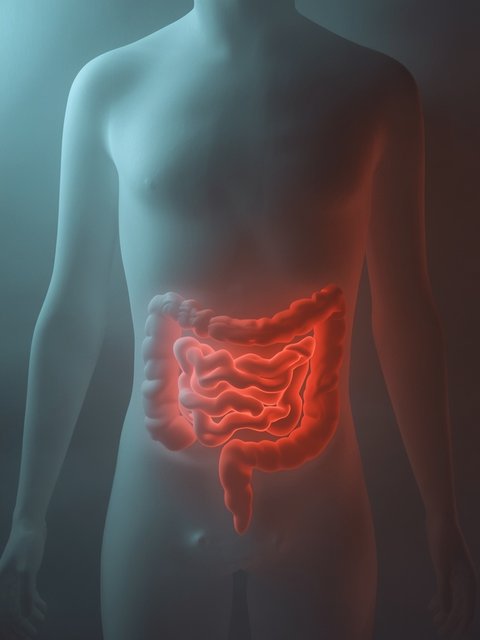
Chronic occupational stress manifests as a multidimensional syndrome affecting physical health, psychological well-being, and social behavior patterns. On the somatic level, the most prevalent symptoms include persistent fatigue syndrome, chronic musculoskeletal tension (particularly in the cervical and lumbar regions), recurrent tension-type headaches, and gastrointestinal disturbances—such as dyspepsia, abdominal cramping, and irritable bowel syndrome-like symptoms. From a cognitive and emotional perspective, individuals often experience anhedonia (the inability to derive pleasure from previously enjoyable activities), impaired executive function (difficulty sustaining attention or processing complex information), decision-making paralysis, and affective dysregulation characterized by rapid mood oscillations between irritability and profound despondency. Prolonged exposure to stressors may additionally trigger disordered eating patterns—ranging from restrictive food intake to binge-eating episodes—resulting in significant weight fluctuations. In the interpersonal domain, observable changes include heightened hypercritical attitudes toward others, reduced threshold for frustration, verbal outbursts of hostility, and progressive disengagement from social networks, potentially culminating in complete social withdrawal. In severe cases, maladaptive coping mechanisms may emerge, such as substance abuse (alcohol, sedatives, or illicit drugs) or the development of nervous habit disorders (e.g., trichotillomania, bruxism, or motor tics).
03 / 05
Occupational Stress Triggers: A Comprehensive Examination of Causative Factors and Psychological Mechanisms
The origins of workplace stress are remarkably multifaceted, and their identification is often challenging due to the intricate interplay between organizational dynamics and individual vulnerabilities. A primary contributor is **excessive workload**—both in terms of sheer volume (an unsustainable number of tasks relative to available time) and complexity (demands that exceed an employee’s current skills or cognitive capacity). Compounding this are **enforced work pace**, frequent shifts in project priorities, and the expectation to perform duties beyond standard working hours, all of which place significant strain on the nervous system. Stress is particularly pronounced when tasks require **high-level cognitive engagement**, such as intricate problem-solving, sustained focus, or creative innovation—processes that heavily tax the prefrontal cortex and elevate cortisol levels. Another critical factor is the **lack of decision-making autonomy**: when employees have no control over how tasks are executed or are deprived of essential information needed to complete them, a sense of helplessness emerges, triggering stress responses. Equally impactful is the **organizational climate**—toxic supervisor-subordinate relationships, conflicting directives, artificially fostered inter-team competition, or opaque communication about company changes generate persistent anxiety. Especially damaging are scenarios where employees face **continuous evaluation without constructive feedback**, are required to remain available after hours, or endure **workplace bullying, discrimination, or psychological harassment**—these elements not only induce acute stress but also contribute to chronic burnout and long-term health deterioration.
04 / 05
The Physiological and Psychological Ramifications of Chronic Occupational Stress
Chronic stress, particularly that stemming from occupational environments, exerts a profound and multifaceted impact on human physiology and psychology. Empirical research consistently demonstrates that sustained exposure to stress-inducing factors compromises immune system functionality—depleting lymphocyte populations and inhibiting immunoglobulin synthesis, thereby diminishing the body’s capacity to combat pathogenic agents. The consequences include an elevated susceptibility to respiratory infections as well as an increased predisposition to autoimmune disorders, such as type 1 diabetes mellitus, Sjögren’s syndrome, Hashimoto’s thyroiditis, Graves’ disease, or inflammatory bowel diseases. Furthermore, chronic stress adversely affects the cardiovascular system: it may trigger episodes mimicking myocardial infarction symptoms (e.g., following the sudden loss of a loved one), disrupt calcium ion flux in cardiomyocytes, and contribute to the development of hypertension, cerebrovascular accidents, or ischemic heart disease. Somatic manifestations also encompass cervical and lumbar spinal pain, as well as peptic ulceration of the gastrointestinal mucosa. In response to stress, some individuals resort to psychoactive substances (alcohol, nicotine), overeating, or other maladaptive coping mechanisms, which—rather than resolving the underlying issue—foster the onset of substance dependence, introducing yet another severe health hazard.
05 / 05
Effective workplace stress management strategies: maintaining psychological and physical equilibrium in professional settings
Responses to stress are highly individualized, contingent upon one’s psychological and physiological predispositions. While some individuals demonstrate remarkable resilience—effectively mobilizing internal resources to mitigate adverse effects—others exhibit immediate somatic manifestations, including appetite suppression, gastrointestinal distress, or disrupted sleep patterns. Irrespective of one’s inherent stress tolerance, it is imperative to systematically evaluate the frequency and magnitude of stressors encountered throughout daily routines. A repertoire of empirically validated techniques—ranging from workload structuring to relaxation protocols—can substantially alleviate the perceived burden during challenging periods. Of paramount importance is the categorical segmentation of tasks based on complexity: consciously distinguishing between high-demand and low-demand responsibilities facilitates optimal allocation of time and cognitive resources. The absence of such stratification often culminates in feelings of overwhelm, attentional fragmentation, and counterproductive multitasking, thereby exacerbating stress and diminishing efficiency. An indispensable component of chronic stress mitigation is the cultivation of time-management competencies, particularly the ability to establish and adhere to priority hierarchies. Equally critical are periodic regenerative intervals, including the procurement of high-quality sleep, which is instrumental in psychological restoration. Physical exercise, engagement in leisure activities, or relaxation modalities (e.g., listening to music) serve as potent stress-alleviation tools. Within occupational contexts, stress may function as either a catalyst for performance or a debilitating force—particularly when employees confront unrealistic expectations, deficient constructive feedback, excessive supervision, or a hostile work environment. Prolonged disregard for stress indicators risks precipitating occupational burnout and severe health repercussions, underscoring the necessity of implementing holistic preventive interventions.
Meal Plan
Want to apply these guidelines in your daily diet?
Our smart diet generator creates a tailored meal plan in 3 minutes based on the recommendations in this article.

Scientifically reviewed by a clinical dietitian
• 24.09.2026
Julia Wójcik
Diets Premium Expert
Diets Premium team expert. Specializes in nutrition plans, strength sports, and training plans.
USDA FoodData Central
EFSA
PubMed Clinical Guidelines