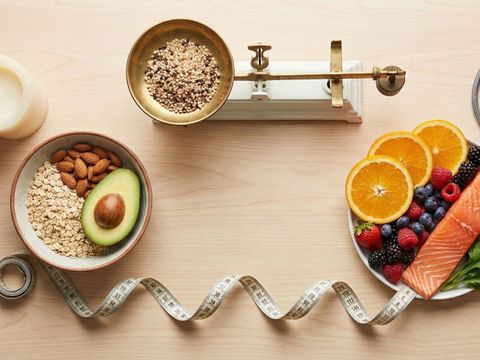
Nutritional approaches to decelerate aging and botanical compounds supporting cellular longevity

Smart Voice
AITable of Contents 3
This article is professional premium content (PRO) provided in its entirety.
The aging process constitutes an inevitable, multistage biological mechanism that gradually alters both the structure and functionality of the organism at the cellular, tissue, and systemic levels. While it is commonly associated primarily with visible dermatological changes—such as the loss of skin elasticity, wrinkle formation, or hair depigmentation—its impact extends far beyond, encompassing the progressive decline in the performance of internal organs, reduced efficiency of metabolic processes, and increased susceptibility to chronic diseases. Although completely halting this phenomenon remains beyond the capabilities of modern science, the deliberate incorporation of bioactive compounds found in food—including polyphenols, antioxidants, essential fatty acids, and trace elements—can significantly decelerate the rate of tissue degradation, support cellular regeneration, and sustain optimal vitality levels for an extended period.
Biology of cellular senescence: autophagy, sirtuins, and telomeric attrition
Organismal aging is governed by established cellular hallmarks: telomere attrition, genomic instability, epigenetic drift, stem cell exhaustion, and the accumulation of senescent cells that secrete pro-inflammatory senescence-associated secretory phenotypes (SASP).
An evidence-based longevity dietary architecture acts as a caloric restriction mimetic (CRM), orchestrating core pro-longevity molecular pathways:
- Sirtuins (SIRT1, SIRT3): NAD+-dependent deacetylases that govern DNA excision repair and stimulate mitochondrial biogenesis via PGC-1alpha.
- Autophagy: The essential lysosomal degradation and recycling of defective organelles and cross-linked proteotoxic aggregates, activated by nutrient depletion and mTOR inhibition.
- AMPK Signaling: The cellular energy sensor promoting mitochondrial fatty acid oxidation and metabolic homeostasis.
Longevity polyphenols: resveratrol, fisetin, quercetin, and spermidine
Contemporary nutritional gerontology highlights potent plant-derived senolytic compounds that selectively clear dysfunctional senescent cells:
- Resveratrol and Pterostilbene: Naturally occurring stilbenes in dark grape skins and wild blueberries acting as direct allosteric activators of SIRT1.
- Fisetin and Quercetin: Potent natural senolytic flavonoids abundant in strawberries and red onions, selectively initiating apoptosis within pro-inflammatory senescent cells.
- Spermidine: An endogenous polyamine concentrated in wheat germ, aged cheeses, and legumes, capable of directly triggering macroautophagy within cardiac and neuronal tissues.
- Sulforaphane: Derived from glucoraphanin in broccoli sprouts; the premier natural activator of the cytoprotective Nrf2-ARE antioxidant pathway.
Adaptogenic phytotherapy for vitality: Astragalus, Rhodiola rosea, and Ginkgo biloba
Botanical longevity medicine incorporates adaptogenic herbs that normalize the neuroendocrine stress response and shield genomic material:
- Astragalus membranaceus: Rich in cycloastragenol and astragaloside IV, bioactive triterpenoids investigated for transient telomerase activation and telomere capping protection.
- Rhodiola rosea: Standardized for salidroside and rosavins, optimizing catecholaminergic neurotransmission, mitigating neuroendocrine cortisol surges, and enhancing mitochondrial endurance.
- Ginkgo biloba: Ginkgoflavone glycosides and terpene lactones improve cerebral and peripheral microcirculatory perfusion, protecting cortical networks from ischemic damage.
Want to apply these guidelines in your daily diet?
Our smart diet generator creates a tailored meal plan in 3 minutes based on the recommendations in this article.
Tags

mgr Literatura: Bajcer M. i in., „Wpływ witamin antyoksydacyjnych na skórę i ich znaczenie w kosmetologii”, Studenckie Zeszyty Naukowe kosmetologia, Wydawnictwo Wyższej Szkoły Inżynierii i Zdrowia w Warszawie, 2016 (1), s. 28-46, Ciborowska H., Rudnicka A., „Dietetyka żywienie człowieka zdrowego i chorego”, Wydawnictwo Lekarskie PZWL 2014, s. 76-77, 118-145, Charzewska J., Chlebna-Sokół D., Chybicka A. i in., „Polskie zalecenia dotyczące profilaktyki niedoborów witaminy D – rok 2009”, standardy medyczne/pediatria, 2009 n t. 6 n, s. 10-17, Prescha A., Biernat J., „Wybrane ksenoestrogeny i ich wpływ na zdrowie człowieka”, Folia Medica Lodziensia, 2013, 40/1:79-97, Włodarek D. i in., „Dietoterapia”, Wydawnictwo Lekarskie PZWL, 2015, s. 81-84.
Diets Premium Expert
Diets Premium team expert. Specializes in nutrition plans, strength sports, and training plans.