Nutrient-dense salvia hispanica seeds – the perfect functional ingredient for blended beverages
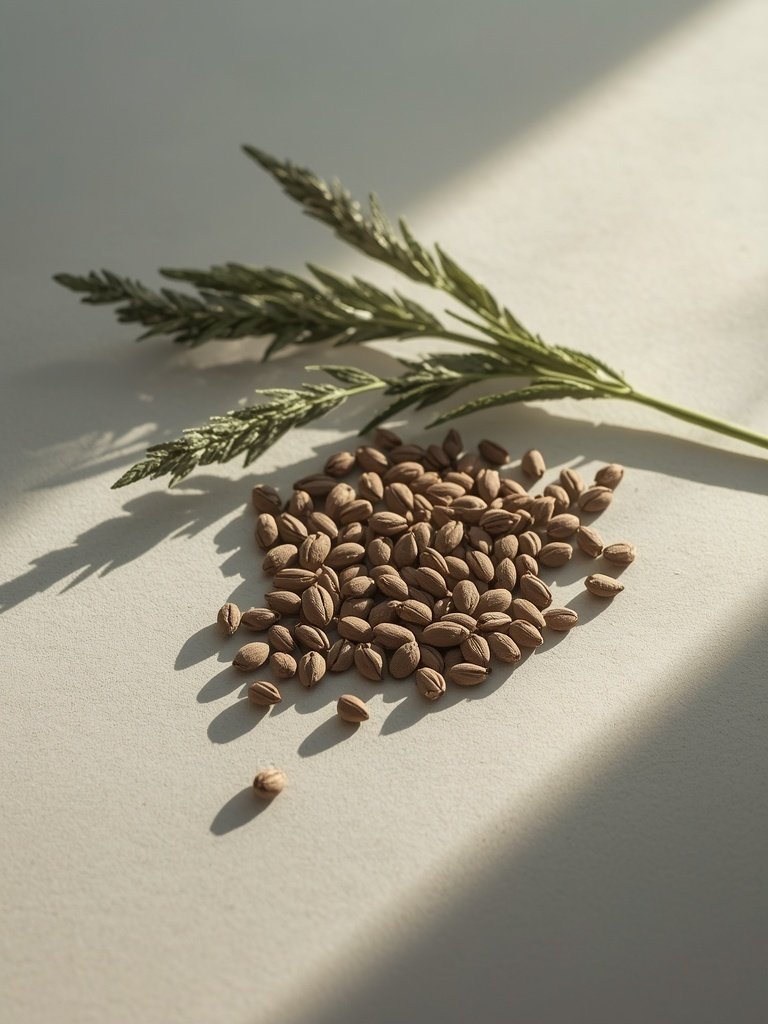
Table of Contents 3
Medical & Editorial Disclaimer (§3 Terms): This article is for informational and educational purposes only, does not constitute medical advice, diagnosis, or treatment, and is used at your own risk. Consult a qualified physician for medical conditions.
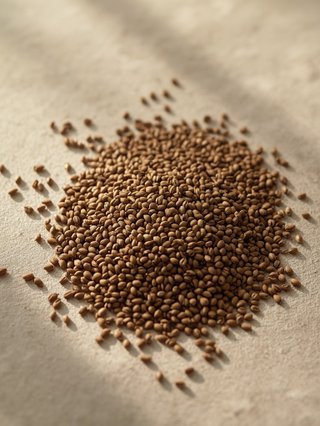
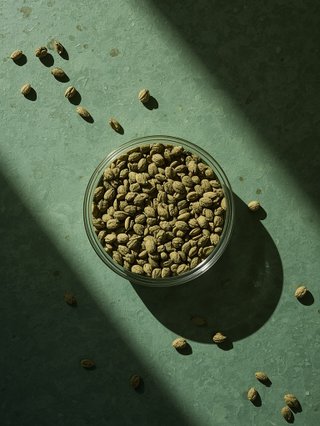
Salvia hispanica seeds, universally renowned as chia, represent one of the most nutritionally potent functional ingredients in modern dietetics. Characterized by outstanding hydrocolloid mucilage properties, exceptionally concentrated plant-based omega-3 fatty acids (ALA), complete proteins, and prebiotic soluble fiber, they serve as an optimal matrix enhancer for performance shakes, smoothies, and hydration beverages. This guide examines their physiological impact, proper culinary gel activation, and functional smoothie formulations tailored for recovery and sustained vitality.
Hydrocolloid properties and nutritional profile of chia seeds in functional beverages
The signature physiological characteristic of chia seeds resides in the transparent mucilage layer encompassing the seed coat. Composed predominantly of high-molecular-weight polysaccharides (xylose, glucose, and 4-O-methylglucuronic acid), chia seeds possess the hydrophilic capacity to bind 10–12 times their dry weight in water, yielding a stable hydrogel.
When incorporated into liquid matrices, chia seeds provide extraordinary nutrient density:
- Dietary fiber: Approximately 34–38 g per 100 g, predominantly soluble fractions that attenuate postprandial glycemic excursions and enhance gastric satiety.
- Cardioprotective lipid matrix: Outstanding concentrations of alpha-linolenic acid (ALA, ~18 g/100 g) aiding in down-regulating post-exercise inflammatory markers.
- Complete plant protein: Delivers all nine essential amino acids, including branched-chain amino acids (BCAA) essential for muscular protein synthesis.
- Micromineral reservoir: Highly bioavailable calcium (~630 mg/100 g), magnesium (335 mg/100 g), phosphorus, and potassium crucial for cellular electrolytic balance.
Activation protocols: soaking, chia gel creation, and micronutrient bioavailability
Proper culinary activation is paramount to optimize the digestive tolerance and nutrient assimilation of chia seeds. Consuming dry, unsoaked chia followed by insufficient fluids carries risks of esophageal impaction and gastrointestinal cramping.
Recommended preparation protocols:
- Master chia gel preparation: Whisk chia seeds into filtered water, unsweetened plant milk, or coconut water at a 1:6 ratio (e. g., 30 g seeds to 180 ml liquid). Stir thoroughly after 2 and 5 minutes to prevent agglomeration, then refrigerate for 15–20 minutes. Stored in a sealed glass container, the gel maintains freshness for up to 5 days.
- Milling vs. whole seeds: While the hydrophilic seed coat permits digestive enzyme access without mandatory milling, clinical trials establish that freshly cracked or lightly milled chia seeds yield over 40% higher plasma bioavailability of alpha-linolenic acid.
- Phytate deactivation: Soaking initiates endogenous phytase activation, deactivating phytic acid complexes and liberating bound zinc, iron, and calcium for enhanced duodenal uptake.
Functional smoothie formulations: endurance booster, post-workout, and gut motility
Three targeted, dietetically balanced functional smoothie recipes designed for high-performance nutrition:
- 1. Green Electrolyte Endurance Booster:
Ingredients: 2 tbsp chia gel, 250 ml pure coconut water, 1 cup baby spinach, 1/2 green apple, 1 cm fresh ginger root, juice of 1/2 lime.
Mechanism: Optimizes intracellular osmolarity, replenishes electrolytes, and delivers sustained low-glycemic stamina prior to prolonged exertion. - 2. Post-Workout Anabolic Recovery Shake:
Ingredients: 2 tbsp freshly milled chia seeds, 250 ml unsweetened almond milk, 1 ripe banana, 25 g plant or native whey protein isolate, 1 tbsp raw cacao powder, pinch of Ceylon cinnamon.
Mechanism: Accelerates glycogen resynthesis, promotes muscle protein synthesis, and delivers organic magnesium to alleviate post-exercise soreness. - 3. Antioxidant Gut Microbiome Elixir:
Ingredients: 2 tbsp chia gel, 150 ml organic kefir (or coconut yogurt), 100 g wild blueberries, 1 tsp psyllium husks, 1 tsp raw unprocessed honey.
Mechanism: Floods the digestive system with anthocyanin antioxidants and soluble prebiotic fibers, nourishing short-chain fatty acid (SCFA) producing colonic microflora.
Want to apply these guidelines in your daily diet?
Our smart diet generator creates a tailored meal plan in 3 minutes based on the recommendations in this article.

cennych witamin i minerałów. Warto jednak dodać do nich także nasiona Chia. Dzięki nim wraz z koktajlem dostarczamy także cennych kwasów tłuszczowych omega 3 i 6 w odpowiedniej proporcji! Same nasiona bogate są także w wiele witamin, składników mineralnych i błonnika. Kwasy omega 3 i 6 są niezwykle ważne dla zachowania zdrowia. Chronią nasz układ krążenia, serce, a także zwiększają koncentrację. Ważna jest nie tylko ich ilość w diecie ale także proporcje. Produkty spożywcze nie zawsze posiadają odpowiednią proporcję, wyjątkiem są nasiona Chia. Polecamy Wam wypróbowania jakiegokolwiek koktajlu, może być np. nasz zielony koktajl i dodanie do niego nasion Chia. Nie zmienią jego smaku, a jeszcze bardziej wzbogaca jego zdrowotne właściwości!
Diets Premium Expert
Diets Premium team expert. Specializes in nutrition plans, strength sports, and training plans.