PRO
6 min read
Non-Alcoholic Beer Beverage – Healthy Choice or Dangerous Ignorance?
1 photo
531
Smart Voice
AI
0:00
0:00
Listen to the article content live
Table of Contents 9
PRO Content
PRO
This article is professional premium content (PRO) provided in its entirety.
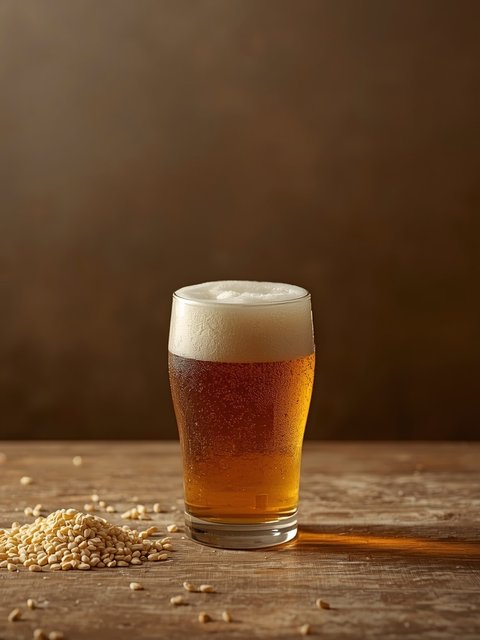
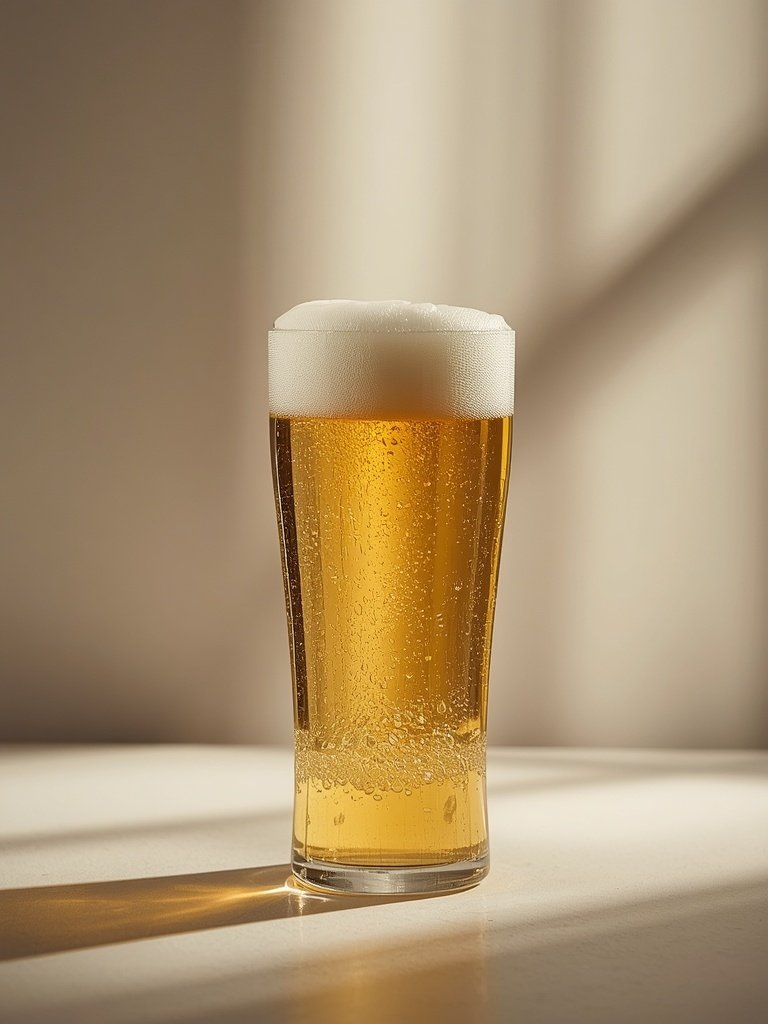
Alcohol-free beer beverage is gaining increasing popularity and is becoming an increasingly popular choice for those who appreciate the taste of beer but want to avoid alcohol. The growing awareness of a healthy lifestyle and the need to limit the consumption of high-end beverages are making alcohol-free beer beverage a healthier alternative to traditional alcoholic beverages. But is it really a healthy choice? To answer this question, it is worth looking at the production process of alcohol-free beer beverage, its components, and the potential benefits and risks.
01 / 09
Definition, characteristics, and production methods of low-alcohol and alcohol-free beer
Beer with negligible alcohol content constitutes a fermented beverage that faithfully replicates the sensory profile of conventional beer—including its taste complexity, hop-derived aromas, and bitterness—while restricting ethanol concentration to no more than 0.5% by volume. The manufacturing process follows traditional brewing protocols but incorporates specialized post-fermentation techniques designed to either completely eliminate or substantially reduce alcohol levels. Consequently, consumers experience comparable gustatory satisfaction without the psychoactive effects or associated health risks. These products are available in an extensive array of stylistic variations—ranging from crisp pale lagers to robust dark ales and innovative fruit- or herb-infused compositions. They present a compelling choice for individuals adhering to alcohol abstinence due to medical necessities (e.g., pharmacological treatments, pregnancy), those maintaining active lifestyles, professional drivers, or persons pursuing personal dietary preferences. Empirical research corroborates that premium non-alcoholic beers can deliver a sensorially equivalent alternative to their alcoholic counterparts (Catarino & Mendes, 2011; Meilgaard, 1975).
02 / 09
Compositional profile of alcohol-free beer formulations
The formulation of alcohol-free beer relies upon the same core constituents as its conventional counterpart—specifically, purified water, malted barley, hop cones, and yeast cultures. Water serves as the predominant solvent within the beverage, with its mineral composition and microbiological purity exerting a decisive influence on the nuanced flavor characteristics of the final product. Malt, functioning as the primary source of fermentable carbohydrates, undergoes a meticulously regulated enzymatic transformation designed to restrict ethanol concentration to no more than 0.5% by volume. Hops contribute both the distinctive bitterness and a multilayered aromatic profile, while selected yeast strains facilitate not only the fermentation process but also the natural carbonation through the release of carbon dioxide (as documented in the 2018 research by Jackowski and Trusek).
03 / 09
Nutritional composition assessment of low-alcohol beer: a comparative evaluation of caloric content and micronutrient profiles
The nutritional profile of non-alcoholic beer may exhibit some variability depending on the specific manufacturer; however, most products within this category demonstrate a consistent macro- and micronutrient composition. A **100-milliliter serving** typically provides the body with **20 to 30 kilocalories** (in contrast to conventional beer, which contains approximately **40–50 kcal** per equivalent volume). Additionally, it contains **0.2–0.5 grams of protein**, **no fat**, and **4–7 grams of total carbohydrates**, of which **2–5 grams are simple sugars** (mono- and disaccharides). Notably, these beverages also include **trace amounts of B-complex vitamins** (such as thiamine, riboflavin, and niacin) as well as **minerals like potassium, magnesium, and phosphorus**. While the concentrations of these nutrients are relatively modest when compared to more nutrient-dense sources—such as leafy green vegetables, nuts, or whole-grain products—regular consumption may still **contribute incrementally to daily nutritional requirements**, particularly with regard to B vitamins. These findings are derived from the **most recent food composition data published by the USDA in 2024**.
04 / 09
Health benefits associated with the consumption of alcohol-free beer: an examination of bioactive constituents and their physiological impacts
Beer with negligible or zero alcohol content may serve as a valuable dietary component owing to its rich profile of bioactive compounds and the unique characteristics of its production process. Of paramount importance are the polyphenols—plant-derived secondary metabolites exhibiting robust antioxidant properties—that effectively scavenge free radicals, mitigate oxidative damage to cellular structures, and contribute to cardiovascular well-being. Empirical evidence from clinical investigations suggests that the consistent incorporation of this beverage into one’s diet may lead to a reduction in systolic blood pressure values, an enhancement of the lipid profile—particularly through the lowering of low-density lipoprotein cholesterol—and an elevation in glutathione levels, a tripeptide that exerts protective effects on vascular endothelial cells (Mellor et al., 2020). Another critical component is the presence of phytoestrogens, primarily derived from hops used in brewing, which demonstrate the capacity to interact with estrogen receptors. This interaction may alleviate symptomatic manifestations associated with the menopausal transition, including vasomotor symptoms such as hot flashes, nocturnal hyperhidrosis, and emotional lability. Furthermore, emerging research indicates that these compounds may play a role in attenuating bone mineral density loss, thereby potentially reducing the risk of osteoporosis in postmenopausal women (Sirotkin & Harrath, 2014). Additionally, alcohol-free beer exhibits prebiotic potential, as fermentation-derived metabolites selectively promote the proliferation of beneficial gut microbiota, including genera such as *Lactobacillus* and *Bifidobacterium*, thereby fostering a balanced intestinal ecosystem. Beyond these attributes, the beverage’s electrolyte composition and isotonic properties position it as a viable option for supporting optimal hydration status.
05 / 09
Potential limitations and drawbacks of alcohol-free beer: A comprehensive critical examination
While beer with negligible alcohol content is frequently marketed as a healthier substitute for conventional alcoholic beverages, it is not entirely free from certain limitations. Prior to incorporating it into one’s routine consumption, it is prudent to conduct a thorough evaluation of both its advantages and potential downsides, which may encompass health considerations, taste profile discrepancies, and even social or psychological factors.
06 / 09
Elevated levels of simple carbohydrates in alcohol-free beer
Throughout the conventional fermentation process, yeast enzymes systematically convert the native sugars present in wort into ethanol and gaseous carbon dioxide. However, in the production of low-alcohol or entirely alcohol-free beers, this biochemical transformation is deliberately truncated or altered to substantially reduce ethanol output. As a direct consequence of this modified procedure, a greater proportion of unfermented residual sugars persists within the final beverage, which may result in certain non-alcoholic beers exhibiting elevated carbohydrate concentrations when compared to their alcoholic counterparts. Empirical data indicate that the typical concentration of these simple sugars ranges from two to five grams per one hundred milliliters of liquid; when extrapolated to a standard five-hundred-milliliter bottle, this translates to a cumulative total of up to twenty-five grams—equivalent to approximately five level teaspoons of granulated sucrose. Furthermore, manufacturers of flavored beer variants frequently incorporate supplementary sweeteners—such as refined sugars, high-fructose corn syrups, or alternative saccharide-based additives—to amplify the organoleptic profile and enhance consumer palatability. It is critical to acknowledge that chronic overconsumption of simple carbohydrates has been clinically associated with a spectrum of adverse health outcomes, including but not limited to obesity, impaired glucose tolerance, insulin resistance, and the onset of type 2 diabetes mellitus. In light of these findings, nutritional scientists—including the research collective led by Dr. K. Klimczak in their 2024 publication—strongly advise consumers to meticulously scrutinize product nutrition labels and prioritize selections with minimized free sugar content, particularly for individuals adhering to weight-management protocols or those with preexisting metabolic disorders.
07 / 09
Psychological implications of alcohol-free beer consumption: reinforcing detrimental behavioral patterns
Beer with negligible alcohol content, despite the absence of significant ethanol levels, may play a pivotal role in shaping or sustaining adverse patterns associated with the consumption of high-proof beverages. Its sensory characteristics—including aroma, color, and serving methods—frequently mimic those of conventional alcoholic beer, potentially replicating cultural and individual rituals tied to drinking. Individuals with a history of addiction face heightened vulnerability, as exposure to this product may reactivate emotional and social associations linked to prior alcohol misuse. The placebo effect, rooted in the subjective perception of consuming an alcoholic beverage, can trigger latent psychological responses that reinforce automatic behaviors in specific contexts. Furthermore, the acceptance of alcohol-free beer in traditionally alcohol-free settings—such as while driving or during professional meetings—may blur the clear distinctions between complete abstinence and moderate drinking. Among adolescents, regular consumption of such products may contribute to the development of habits associated with alcohol-mimicking substances, thereby increasing the likelihood of future engagement with high-proof beverages.
08 / 09
Who should avoid non-alcoholic beer? Key at-risk populations and expert guidance
While non-alcoholic beer contains only trace quantities of alcohol, its consumption is not universally harmless and may pose risks to specific demographic groups. Of particular concern are pregnant women, for whom even minimal ethanol exposure carries potential developmental risks to the fetus, as documented in research by Adiong and colleagues in 2014. Additionally, this beverage is strongly discouraged for individuals recovering from alcohol dependence, as its sensory profile and contextual associations may trigger cravings or memories linked to conventional alcoholic beverages, thereby complicating recovery efforts and elevating relapse probabilities—a phenomenon corroborated by findings from Caballeria et al. in 2022. Furthermore, patients diagnosed with gout or exhibiting elevated uric acid levels should exercise caution, given that the purine content in non-alcoholic beer can exacerbate uric acid synthesis, potentially precipitating or intensifying gout symptoms, as outlined in reports by the National Center for Health Education from 2021. Equally critical are potential pharmacological interactions, particularly with hepatically metabolized medications, which may alter drug efficacy or induce adverse reactions. Consequently, individuals undergoing long-term pharmacotherapy are advised to consult their healthcare provider prior to incorporating non-alcoholic beer into their diet, a precaution emphasized in studies conducted by Borsa et al. in 2022.
09 / 09
Comprehensive Assessment of the Advantages and Limitations of Low-Alcohol Beer
Undoubtedly, for a substantial portion of the population, low-alcohol beer represents a more judicious alternative compared to conventional alcoholic beverages; however, it is not entirely devoid of certain notable drawbacks—particularly when examined through the lens of specific demographic cohorts. It is crucial to recognize that even products marketed as "alcohol-free" may contain trace amounts of ethanol, which, in certain scenarios—such as for individuals undergoing addiction recovery, pregnant women, or motorists—could pose significant concerns. Furthermore, the habitual consumption of such beverages may inadvertently reinforce alcohol-seeking behaviors and potentially engage in adverse interactions with a wide array of pharmacological compounds. Consequently, it is imperative to meticulously scrutinize product labels, opt exclusively for variants that adhere to stringent alcohol-free standards (i.e., below 0.05% by volume), and conduct a personalized assessment of one’s health conditions and lifestyle factors. For individuals in good health who occasionally wish to savor the taste of beer without the associated risks of alcohol, these beverages may offer a viable compromise—provided they are consumed with prudence and a comprehensive awareness of potential health ramifications, including metabolic effects and physiological responses.
Meal Plan
Want to apply these guidelines in your daily diet?
Our smart diet generator creates a tailored meal plan in 3 minutes based on the recommendations in this article.

Scientifically reviewed by a clinical dietitian
• 25.09.2026
Alicja Kowalska
Diets Premium Expert
Diets Premium team expert. Specializes in nutrition plans, strength sports, and training plans.
USDA FoodData Central
EFSA
PubMed Clinical Guidelines