Nectarine – nutritional properties, vitamins, varieties, and role in the diet of pregnant women and diabetics
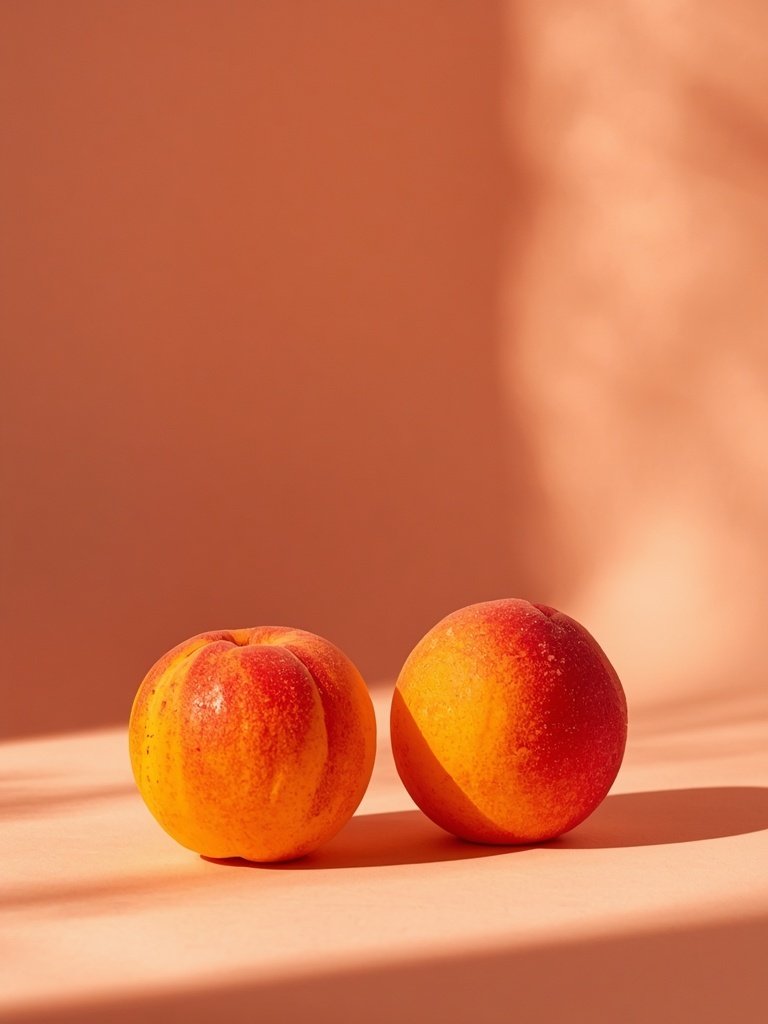
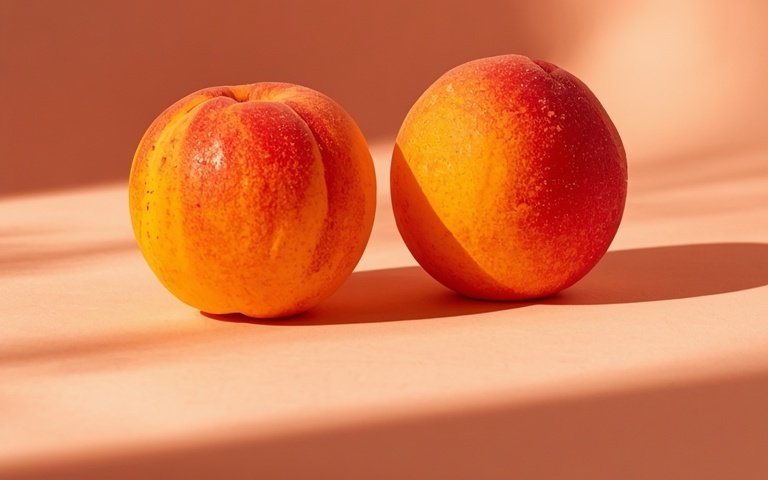
Table of Contents 4
Medical & Editorial Disclaimer (§3 Terms): This article is for informational and educational purposes only, does not constitute medical advice, diagnosis, or treatment, and is used at your own risk. Consult a qualified physician for medical conditions.
From a physiological perspective, nectarines provide a rich matrix of antioxidants, pro-vitamin carotenoids, and essential vitamins that help neutralize oxidative stress within the body. Different cultivars, ranging from yellow-fleshed to white-fleshed varieties, exhibit unique acid-to-sugar ratios and diverse phytonutrient concentrations. Due to their favorable macronutrient structure, dietary fiber content, and low glycemic index, nectarines support steady digestive function and assist in maintaining stable metabolic parameters without causing rapid blood sugar fluctuations.
Incorporating nectarines into your daily routine is easily achieved by enjoying them fresh as a snack, blending them into wholesome beverages, or featuring them in light desserts. Expectant mothers can particularly benefit from the natural folates and potassium found in the fruit, which contribute to healthy physiological processes during pregnancy. Always prioritize fresh, high-quality fruit to maximize the absorption of its natural vitamins and bioactive compounds.
The nectarine (Prunus persica var. nucipersica), a smooth-skinned genetic variant of the peach, is highly valued for its sweet-tart flavor profile, low glycemic index, and antioxidant density. It provides an abundant source of carotenoids (beta-carotene, lutein, zeaxanthin), vitamin C, potassium, and dietary fiber. This article examines the biochemical profile of nectarines, the nutritional variations between white- and yellow-fleshed cultivars, and the evidence-based benefits of their consumption during pregnancy and metabolic management.
Botanical Characteristics and Origin of the Nectarine
The nectarine (Prunus persica var. nucipersica) is a deciduous fruit tree of the family Rosaceae, representing a naturally occurring botanical variety of the peach. Contrary to common misconceptions, the nectarine is not a hybrid of a peach and a plum, but rather the result of a recessive gene mutation affecting pubescence development:
- Morphology and Phenotype: The tree grows to 4–6 meters, bearing spherical drupes weighing between 100 and 180 g. Its defining feature is a smooth, glossy epicarp adorned with vibrant crimson blush and a firmer mesocarp compared to standard peaches.
- Origin and History: Native to north-western China, nectarines have been cultivated for over two millennia. They spread westward across Asia to the Mediterranean basin through ancient trade routes.
- Culinary Applications: Thanks to their glabrous skin, nectarines are typically consumed unpeeled, preserving valuable surface polyphenols. They integrate seamlessly into raw salads with goat cheese, fresh smoothies, and low-sugar compotes.
Classification of Nectarine Cultivars: Yellow, White, and Flat Varieties
Modern pomology classifies nectarines according to flesh pigmentation, freestone vs. clingstone characteristics, and fruit geometry:
- Yellow-Fleshed Cultivars (e.g., Harco, Redgold, Fantasia): Exhibit a balanced sweet-tart profile attributed to higher concentrations of malic and citric acids. They are exceptionally dense in pro-vitamin A carotenoids such as beta-carotene, lutein, and zeaxanthin.
- White-Fleshed Cultivars (e.g., Silver Gem, Snow Queen): Display lower total titratable acidity, delivering a perceived sweeter, sub-acid taste. They are particularly rich in phenolic acids, including chlorogenic and neochlorogenic acid.
- Flat / Donut Nectarines: Saucer-shaped fruits with a compact stone and tender, fragrant flesh, highly prized for on-the-go snacking.
- Stone Adherence: Freestone cultivars allow the pit to separate cleanly from the flesh at peak ripeness, making them ideal for freezing and culinary preparation.
Nectarines in Pregnancy and Insulin Resistance Management
Owing to their micronutrient density and favorable macronutrient balance, nectarines provide distinct clinical benefits during pregnancy and metabolic therapy:
- Pregnancy Support: They provide dietary folates essential for neural tube morphogenesis, ascorbic acid to enhance non-heme iron absorption, and potassium to modulate vascular resistance and physiological edema.
- Mitigation of Gestational Constipation: A harmonious blend of soluble pectins and insoluble cellulose gently supports intestinal motility without causing gastrointestinal distress.
- Glycemic Dynamics: With a low glycemic index of 35–40 and a glycemic load of only 4–5 per average fruit (150 g), nectarines do not induce rapid postprandial glucose excursions in individuals with gestational diabetes or insulin resistance.
- Nutritional Tip: Pairing nectarines with dietary lipids or protein (such as Greek yogurt, walnuts, or chia seeds) further stabilizes blood glucose curves.
Nutritional Value, Vitamins, and Antioxidant Capacity
The nectarine is a low-calorie fruit combining exceptional nutrient density with a potent matrix of bioactive phytochemicals:
- Macronutrient Profile (per 100 g): Supplies approximately 44 kcal, 10.5 g of carbohydrates (including 1.7 g of dietary fiber), 1.1 g of protein, and less than 0.3 g of fat, with a water content exceeding 87%.
- Vitamins and Minerals: Provides 10–12% of the daily allowance for vitamin C, significant pro-vitamin A carotenoids, vitamin E (alpha-tocopherol), niacin, and pyridoxine, alongside essential minerals such as potassium (~200 mg/100 g), magnesium, and phosphorus.
- Polyphenolic Antioxidants: The epicarp and mesocarp contain dense concentrations of chlorogenic acid, catechin, epicatechin, and cyanidin-3-glucoside. These compounds effectively scavenge reactive oxygen species (ROS) and inhibit LDL oxidation.
- Ophthalmic and Dermatological Health: Lutein and zeaxanthin accumulate selectively within the macular retina, shielding photoreceptor cells from photochemical damage and mitigating age-related macular degeneration (AMD).
Want to apply these guidelines in your daily diet?
Our smart diet generator creates a tailored meal plan in 3 minutes based on the recommendations in this article.
Tags

mgr David Janitzek
• 23.10.2026Diets Premium Expert
Diets Premium team expert. Specializes in nutrition plans, strength sports, and training plans.