Green treasure of nature: Young barley – health benefits, composition, and collection of proven recipes
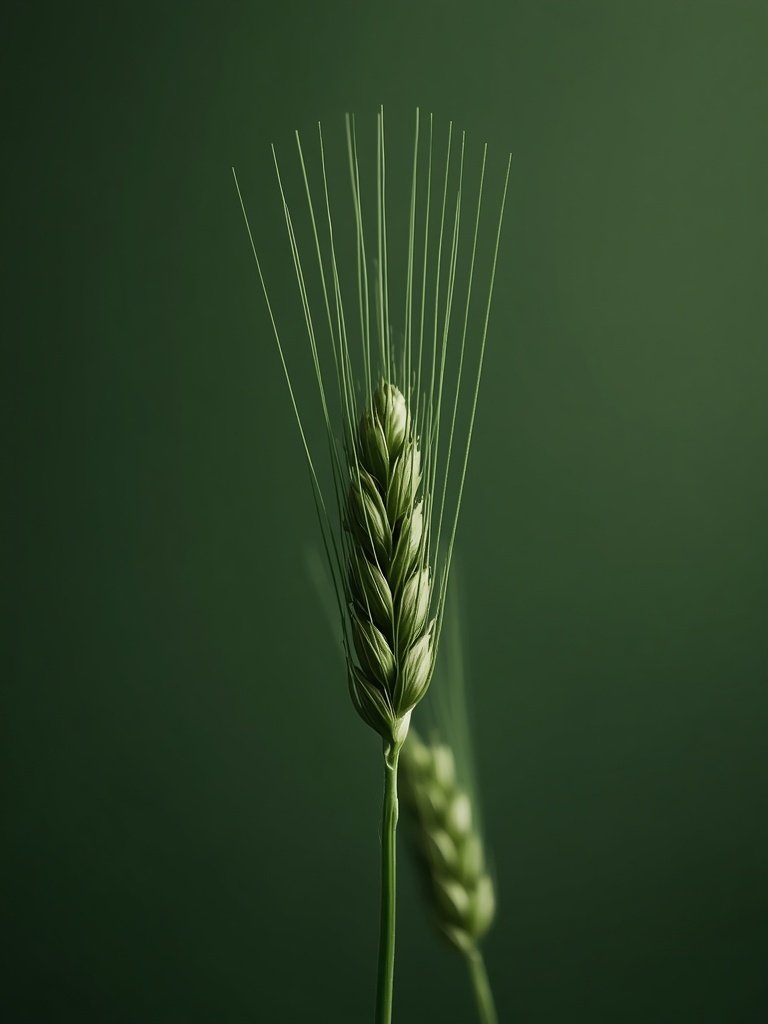
Table of Contents 4
Medical & Editorial Disclaimer (§3 Terms): This article is for informational and educational purposes only, does not constitute medical advice, diagnosis, or treatment, and is used at your own risk. Consult a qualified physician for medical conditions.
The therapeutic potential of young barley grass is rooted in its rich profile of chlorophyll, which assists in tissue oxygenation, and powerful antioxidant enzymes that protect cellular integrity against oxidative stress. By providing a comprehensive matrix of vitamins, minerals, and essential amino acids, it aids in detoxification processes and promotes cellular health. Understanding the differences between cold-dried juice powders and whole leaf powders is crucial for selecting the most effective form to suit individual health goals.
For optimal results, it is recommended to introduce barley grass into one's daily routine gradually to ensure digestive comfort. Incorporating the powder into functional beverages, such as smoothies blended with fresh fruits and ginger, offers a practical way to enjoy its benefits. While generally well-tolerated, individuals with gluten sensitivities should prioritize certified gluten-free sources to ensure safety. Consistent use, combined with a varied diet, provides a meaningful way to support long-term wellness and metabolic efficiency.
Young green barley grass (Hordeum vulgare) is among the most revered botanical superfoods in contemporary clinical nutrition. Harvested at its vegetative peak prior to jointing, it concentrates exceptional levels of chlorophyll, superoxide dismutase (SOD), essential amino acids, and vital electrolytes. This evidence-based guide details its biochemical mechanisms, optimal intake guidelines, and functional culinary recipes for sustained vitality.
Young Barley Grass – Biochemical Profile and Therapeutic Potential
Young barley grass features an outstanding concentration of natural chlorophyll, structurally homologous to human heme, supporting tissue oxygenation and cellular detoxification.
Key bioactive constituents include:
- Superoxide Dismutase (SOD): A powerful antioxidant metalloenzyme safeguarding cellular membranes against reactive oxygen species;
- Comprehensive Micronutrient Matrix: Rich in B-complex vitamins, vitamins C and E, beta-carotene, alongside bioavailable magnesium, calcium, potassium, and iron;
- Dietary Fiber and Beta-Glucans: Optimizing intestinal motility, supporting eubiotic microbiome diversity, and moderating postprandial glycemic excursions;
- Antioxidant Flavonoids (Isovitexin, Saponarin): Attenuating systemic inflammatory pathways.
Juice Powder vs. Milled Grass – Quality Differences and Dosage
Consumers primarily encounter two commercial forms of barley grass:
- Cold-Dried Barley Grass Juice Powder: Produced by cold-pressing fresh shoots and freeze-drying the juice below 40°C. Completely soluble, devoid of rough insoluble cellulose, and offering maximum enzymatic and chlorophyll potency.
- Milled Whole Leaf Powder: Prepared by drying and pulverizing entire blades. Retains abundant insoluble fiber, forms a gritty suspension, and carries slightly lower micronutrient density per gram.
Recommended intake is 1 to 2 teaspoons (3–6 g) daily dissolved in cool or lukewarm liquids. Boiling water must be strictly avoided to preserve thermosensitive enzymes.
Energizing Functional Beverages and Smoothie Recipes
1. Morning Revitalizing Honey-Barley Tonic:
- 300 ml lukewarm purified water (approx. 35°C)
- 1 level teaspoon barley grass powder
- Freshly squeezed juice of 1/2 lemon
- 1 teaspoon raw raw honey
- 1/2 teaspoon freshly grated ginger root
Whisk thoroughly in a glass or shaker. Consume upon waking to stimulate hydration and metabolic clearance.
2. Deep Green Antioxidant Smoothie:
- 1 ripe kiwi and 1/2 banana
- 1 handful fresh baby spinach
- 1 heaping teaspoon barley grass powder
- 200 ml coconut water or cloudy apple juice
- 1 teaspoon chia seeds
Blend on high speed until completely smooth for an invigorating dose of bioavailable potassium, magnesium, and vitamin C.
Safety Guidelines, Tolerability, and Contraindications
Barley grass is widely tolerated, yet its physiological potency warrants structured administration:
- Gradual titration: Initiate intake with 1/2 teaspoon daily to allow digestive adaptation and prevent transient mild laxative responses;
- Gluten considerations: Young vegetative shoots harvested before seed development are inherently gluten-free. However, celiac patients must strictly purchase certified gluten-free batches to preclude agricultural cross-contact;
- Anticoagulant medication interactions: Elevated phylloquinone (vitamin K1) levels necessitate consistent dietary monitoring when taking vitamin K antagonist anticoagulants (e.g., warfarin);
- Oxalate sensitivity: Individuals prone to calcium oxalate urolithiasis should moderate concentrated botanical powders.
Want to apply these guidelines in your daily diet?
Our smart diet generator creates a tailored meal plan in 3 minutes based on the recommendations in this article.

Lena Bauer
• 23.10.2026Diets Premium Expert
Diets Premium team expert. Specializes in nutrition plans, strength sports, and training plans.