5 min read
Natural Revolution: Support for Upper Gastrointestinal Tract Disorders

1 photo
749
Smart Voice
AI
0:00
0:00
Listen to the article content live
Table of Contents 5
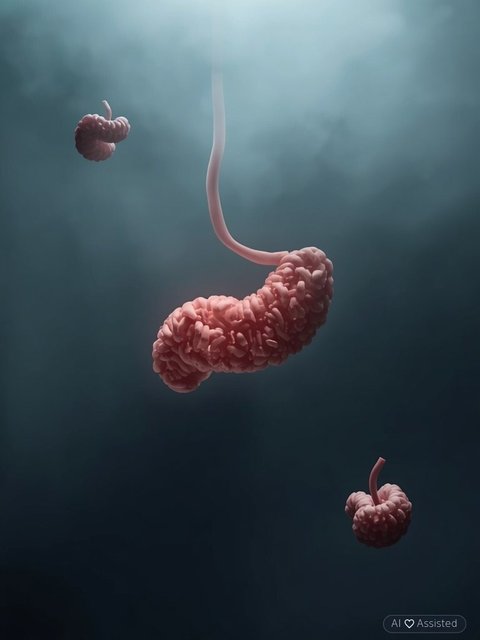
Turning to natural ways of supporting the fight against upper gastrointestinal tract diseases is becoming increasingly popular. In addition to antibiotics for bacterial infections and the use of proton pump inhibitors (PPI), such as omeprazole, which reduce the secretion of hydrochloric acid in the stomach, the use of medicinal plants can be an effective method to support the regeneration of the digestive tract mucosa. But what are the causes of these ailments?
01 / 05
Gastroesophageal reflux disease (GERD): Pathomechanism, symptomatic manifestations, and complications from retrograde gastric content movement
The act of swallowing involves coordinated peristaltic contractions of the esophageal musculature, which propel ingested food toward the stomach. Guarding the entrance to this organ is the lower esophageal sphincter—a circular muscular structure that, under normal physiological conditions, prevents the retrograde movement of gastric contents. However, when this sphincter malfunctions, a pathological reflux occurs, wherein stomach acid mixed with partially digested food ascends into the esophagus and, in severe cases, may reach the pharyngeal region. This condition manifests through distinctive symptoms, including a burning sensation behind the sternum (commonly referred to as heartburn), regurgitation of acidic fluid, and nausea. Symptom exacerbation is particularly notable during bending forward, physical exertion involving abdominal strain (e.g., lifting heavy objects), or when lying supine—especially after prolonged recumbency during nighttime sleep, when the gastrointestinal tract aligns horizontally with the ground. Affected individuals often awaken with a burning sensation in the throat, accompanied by a persistent cough triggered by irritation of the larynx and upper airways from the refluxed material. It is critical to recognize that chronic cough and hoarseness may represent atypical yet clinically significant indicators of gastroesophageal reflux disease. Untreated, this condition can progress to severe complications, such as hematemesis due to esophageal mucosal damage, as well as substantial weight loss resulting from meal avoidance to prevent symptom aggravation.
02 / 05
Peptic Ulcer Disease (Gastric and Duodenal Ulcers) – Causes, Symptoms, and Pathophysiology
Peptic ulcerations of the gastric mucosa or the proximal segment of the small intestine (duodenum) develop due to an imbalance between aggressive factors—such as excessive hydrochloric acid secretion, the use of nonsteroidal anti-inflammatory drugs (including acetylsalicylic acid), consumption of irritant substances (spicy foods, high-proof alcohol), or infection with *Helicobacter pylori*—and the body’s defensive mechanisms, including mucosal barrier integrity, adequate tissue perfusion, and epithelial regenerative capacity. Core clinical symptoms include recurrent, often burning or stabbing epigastric pain that characteristically subsides following food intake or administration of proton pump inhibitors (PPIs). In advanced cases, nausea, vomiting (sometimes with hematemesis), progressive weight loss, and signs of anemia from chronic ulcer bleeding may occur. The most severe complication is ulcer perforation, which leads to acute peritonitis and necessitates immediate surgical intervention.
03 / 05
Gastric mucosal inflammation: Etiological factors, symptomatic manifestations, and risk correlates of epithelial irritation
Much like ulcerative pathologies, the pathogenesis of this condition is frequently associated with prolonged or excessive use of nonsteroidal anti-inflammatory drugs, which compromise the protective mucosal barrier of the stomach lining. Additional predisposing factors include chronic consumption of high-proof alcoholic beverages as well as a dietary pattern rich in pungent, irritant seasonings. Clinically, the disorder may present with severe, burning epigastric discomfort, recurrent nausea, and emetic episodes—occasionally accompanied by partially digested food residue or biliary fluid.
04 / 05
Synthetic drug therapy and herbal medicine support in gastrointestinal disorders
Proton pump inhibitors represent the cornerstone of pharmacological management in numerous gastrointestinal conditions; however, their prolonged administration carries a substantial risk of inducing deficiencies in B-complex vitamins, particularly folate (B9) and cobalamin (B12). It is critical to recognize that hydrochloric acid serves not only as a digestive catalyst but also as a primary defense mechanism against pathogenic microorganisms—its diminished concentration may thus facilitate the proliferation of harmful bacteria within the gastrointestinal tract. Furthermore, reduced gastric juice secretion delays gastric emptying, potentially leading to food stagnation, bacterial overgrowth, and dyspeptic symptoms such as bloating and postprandial discomfort. In these scenarios, phytotherapy—whether employed as a standalone intervention or as an adjunct to conventional pharmacotherapy—offers a viable strategy to alleviate symptoms while mitigating the adverse effects commonly associated with synthetic medications.
05 / 05
Persistent abdominal distension and excessive intestinal gas: dietary triggers and herbal management strategies
Excessive intestinal gas accumulation frequently stems from the consumption of specific food categories, including allium vegetables (such as onions, leeks, and garlic), cruciferous varieties (broccoli, cauliflower, Brussels sprouts), and legumes (beans, lentils, peas). Key contributing factors also encompass rapid eating habits leading to aerophagia (air swallowing), regular intake of carbonated beverages, diminished gastrointestinal motility, impaired carbohydrate digestion (lactose or fructose malabsorption), irritable bowel syndrome (IBS), and small intestinal bacterial overgrowth (SIBO). In mitigating these troublesome symptoms, phytotherapy plays a substantiated role through medicinal plants such as peppermint (demonstrating antispasmodic properties), chamomile (anti-inflammatory), lemon balm (calming), licorice (mucoprotective), and marshmallow (demulcent). Pronounced carminative (gas-relieving) and spasmolytic effects are additionally exhibited by sage, plantain, caraway, and star anise. Systematic administration of infusions prepared from these botanical materials may substantially alleviate symptom severity. Dietary incorporation of spices with documented health benefits—such as thyme, basil, cumin, lovage, parsley, and rosemary—is likewise advisable. However, it is imperative to emphasize that prior to initiating herbal supplementation—even with seemingly benign plants—mandatory consultation with a primary care physician or qualified pharmacist is essential, particularly for individuals with undiagnosed symptoms or ongoing pharmaceutical regimens. Certain herbs may interact with medications or obscure indications of underlying pathologies, potentially exacerbating health conditions over prolonged periods.
Meal Plan
Want to apply these guidelines in your daily diet?
Our smart diet generator creates a tailored meal plan in 3 minutes based on the recommendations in this article.

Scientifically reviewed by a clinical dietitian
• 25.09.2026
mgr Błecha K., Fitoterapia i suplementacja diety w chorobach górnego odcinka przewodu pokarmowego, „Postępy Fitoterapii” 2019, 20(2), 118–125. Gajda E., Postępowanie fitoterapeutyczne oraz dietetyczne w chorobie wrzodowej żołądka i dwunastnicy, „Postępy Fitoterapii” 2020, 21(3), 185–195. Machałek P., Siła ziół, Kraków 2018. Różański H., Fitoterapia chorób wątroby i pęcherzyka żółciowego, Zielnik Klasztorny Ojców Bonifratrów, pod red. Książkiewicz T., Warszawa 1992.
Diets Premium Expert
Diets Premium team expert. Specializes in nutrition plans, strength sports, and training plans.
USDA FoodData Central
EFSA
PubMed Clinical Guidelines