Natural liver cleansing methods: how to support its regeneration with herbs and a balanced diet!


Table of Contents 3
Medical & Editorial Disclaimer (§3 Terms): This article is for informational and educational purposes only, does not constitute medical advice, diagnosis, or treatment, and is used at your own risk. Consult a qualified physician for medical conditions.
Although the liver is uniquely capable of structural self-repair and tissue regeneration, its physiological integrity is frequently challenged by high-fat diets, viral stressors, and bacterial endotoxins that may contribute to fatty tissue changes. The chapters examine the mechanisms behind hepatic resilience alongside the supportive role of traditional phytotherapy in biliary and liver wellness. Particular emphasis is placed on milk thistle and its active antioxidant complex, silymarin, which helps stabilize hepatocellular membranes against toxin penetration while gently supporting anti-inflammatory pathways and natural tissue renewal.
Applying these insights in daily life begins with replacing heavy, infrequent meals with smaller, well-balanced portions distributed evenly throughout the day to avoid overloading metabolic pathways. Shifting culinary habits away from frying in heavy fats toward gentle preparation methods such as steaming, stewing, or baking helps preserve heat-sensitive vitamins in vegetables while easing digestive strain. Paired with mindful reductions in alcohol intake and the informed inclusion of traditional herbal remedies, these practical nutritional adjustments provide sustainable daily support for hepatic vitality.
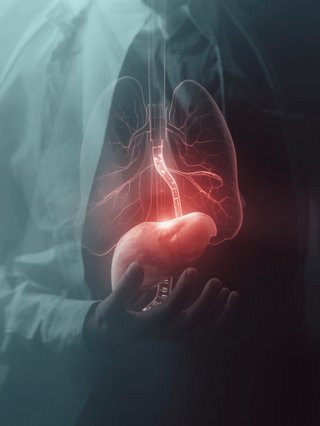
The liver plays a pivotal role within the human body by selectively absorbing essential nutrients while concurrently processing and neutralizing harmful metabolites derived from pharmaceuticals, alcoholic beverages, and various chemical compounds, which are ultimately excreted via the renal system. However, the accumulation of toxic substances within hepatic tissue progressively impairs its operational efficiency, thereby adversely affecting overall bodily functions—including digestive processes, detoxification pathways, and the synthesis of critical proteins and enzymes. Implementing targeted dietary modifications and herbal support is essential to foster tissue repair and maintain long-term metabolic health.
The physiological role and regenerative capacity of the liver
The liver is the only internal human organ possessing an extraordinary capacity for self-repair and structural regeneration. Despite this remarkable attribute, its physiological integrity is frequently compromised by modern lifestyle habits, chronic stress, the consumption of heavily processed foods, and the excessive intake of alcohol and pharmaceuticals. Furthermore, viral infections, bacterial endotoxins, and high-fat diets can induce hepatic steatosis (fatty liver disease), which severely impairs its detoxification capacity. To counteract these detrimental effects, implementing fundamental lifestyle adjustments—such as reducing stimulants, minimizing unnecessary drug use, and adopting a wholesome diet—is crucial for preserving hepatic health.
Dietary strategies to relieve hepatic tissue
A targeted dietary modification is the cornerstone of relieving and regenerating the liver. Instead of consuming heavy, large meals, individuals should transition to five or six smaller, balanced portions throughout the day to prevent overloading metabolic pathways. Food preparation techniques should shift away from frying in heavy fats toward gentle methods such as steaming, stewing, or baking. Vegetables are best cooked with minimal water or steamed to preserve essential heat-sensitive vitamins and minerals. Incorporating fresh vegetable salads rich in antioxidants into daily menus further supports cellular protection. Conversely, highly digestible-stressors such as red meat, refined white bread, processed sweets, heavy dairy products, and artificial additives should be systematically minimized or eliminated.
The power of medicinal herbs in supporting the liver
In phytotherapy, specific medicinal plants have held a prominent position in supporting hepatic and biliary health for centuries. Among the primary allies of the liver is milk thistle (Silybum marianum), whose active complex, silymarin, serves as a potent antioxidant and hepatoprotective agent. Silymarin stabilizes hepatocellular membranes, effectively preventing toxins from penetrating inside, while simultaneously exhibiting anti-inflammatory properties and stimulating tissue regeneration. Furthermore, artichoke extracts contain cynarin, which actively promotes bile secretion, facilitates lipid digestion, and assists in maintaining healthy blood cholesterol levels. Other beneficial herbs, such as dandelion root and peppermint, stimulate digestive secretions and promote overall detoxification. Integrating these standardized botanical extracts into daily routines offers a scientifically grounded approach to maintaining optimal liver health.
Want to apply these guidelines in your daily diet?
Our smart diet generator creates a tailored meal plan in 3 minutes based on the recommendations in this article.

Isabella Taylor
• 23.10.2026Diets Premium Expert
Diets Premium team expert. Specializes in nutrition plans, strength sports, and training plans.