4 min read

Mineral constituents and vitamins found in eggs
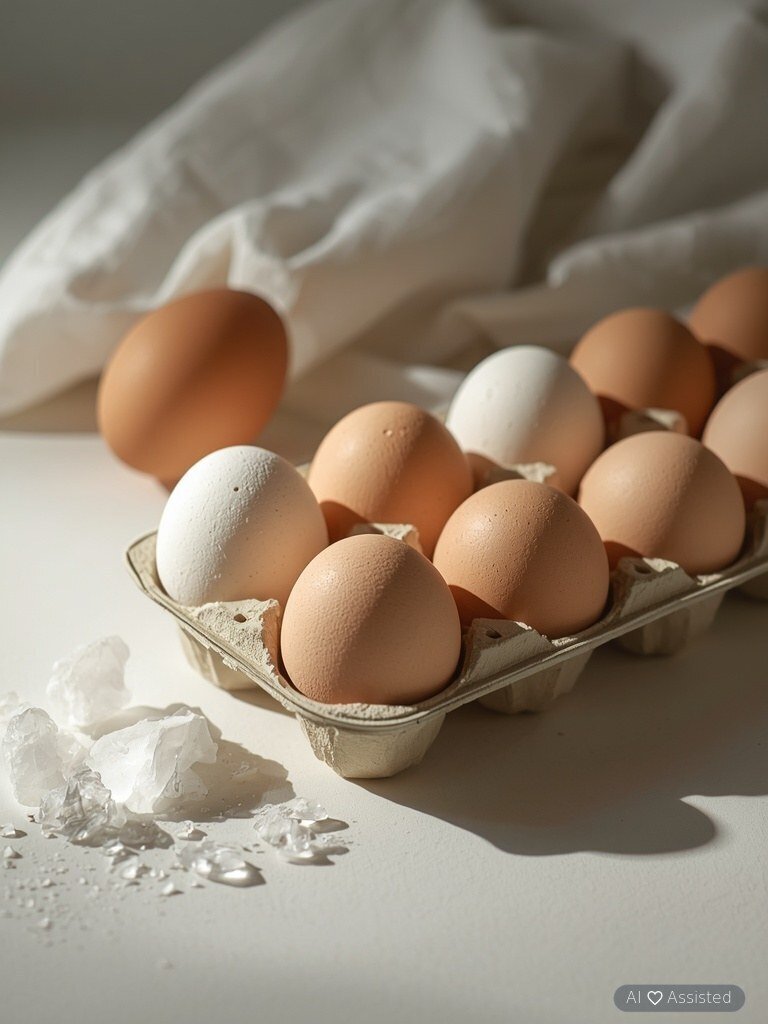
Mineral constituents and vitamins found in eggs
1 photo
765

Smart Voice

AI
0:00
0:00
Listen to the article content live
Table of Contents 3
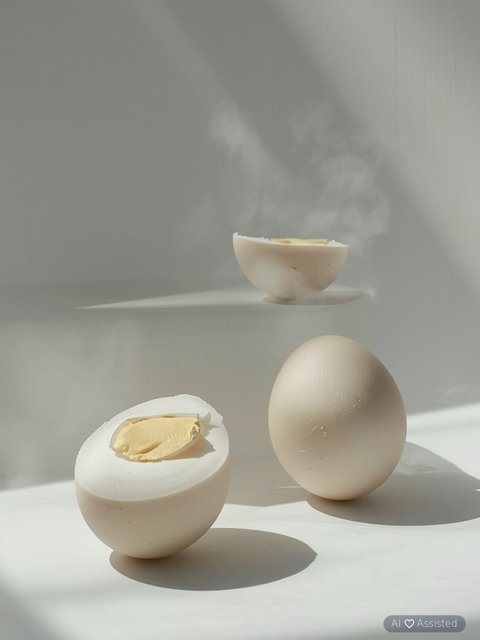
Additional significant constituents of eggs that we should focus on include vitamins and minerals, which are both fat-soluble and insoluble (except for vitamin C), as well as a relatively high amount of mineral components such as sodium, phosphorus, and iron.
01 / 03

Lipid-soluble vitamins: high-bioavailability essential nutrients

These essential nutrients are primarily concentrated in the **yolk**, which serves as a rich reservoir of lipid-based compounds, most notably **retinol** (the bioactive form of vitamin A). Consumption of a single medium-sized egg fulfills **25% of the daily recommended intake** of this vision-critical nutrient (187 micrograms of retinol activity equivalents). Another pivotal component is **cholecalciferol** (vitamin D₃), which the human body synthesizes endogenously upon exposure to UVB radiation. However, during autumn and winter—when solar irradiation diminishes—dietary supplementation becomes necessary to maintain adequate levels. A single egg provides approximately **10% of the Reference Daily Intake (RDI)** for adults (0.61 µg), playing a vital role in skeletal homeostasis and immune system modulation. Notably, vitamin D also contributes to mood regulation, potentially explaining seasonal affective variations. The third key nutrient is **α-tocopherol** (vitamin E), a potent antioxidant that safeguards cellular membranes against oxidative damage. Its presence enhances **erythrocyte longevity**, bolsters immune defenses, and improves vascular elasticity. Ongoing scientific research continues to expand our understanding of the health-promoting properties of antioxidants, fueling growing interest in their dietary role in preventing chronic diseases. A medium-sized egg contains roughly **5% of the daily vitamin E requirement** (0.36 µg). It is important to note, however, that eggs are **not a significant source of phylloquinone** (vitamin K₁), necessitating alternative dietary sources to address deficiencies.
02 / 03

Water-soluble vitamins: occurrence, physiological roles, and dietary significance

Among these, the B-complex vitamins play a pivotal role, notably riboflavin (vitamin B2, providing 0.27 mg, which accounts for 11% of the guideline daily amount) and cobalamin (vitamin B12, at 0.45 mg, fulfilling 22% of the daily requirement). The folate content—corresponding to vitamin B9—meets approximately 8% of the body’s daily needs. Additionally, eggs contain thiamine (vitamin B1) and pyridoxine (vitamin B6), though their quantities satisfy only 2% of the recommended daily intake. The product also includes other essential compounds, such as biotin (vitamin H), niacin (vitamin PP), and pantothenic acid (vitamin B5). It is important to note, however, that eggs do not contain ascorbic acid (vitamin C)—a potent antioxidant with well-documented efficacy in numerous scientific publications. While this absence does not diminish the nutritional value of eggs, it is advisable to supplement the diet with alternative vitamin C sources, such as fruits from the *Ericaceae* family (e.g., blueberries and cranberries), which are particularly rich in this nutrient.
03 / 03

Macro- and micronutrient composition of eggs: biochemical profile and dietary significance

The concentration of macro- and micronutrients in eggs is directly influenced by the dietary regimen of laying hens and the bioavailability of specific compounds in their feed. A standard egg (approximately 50 g) provides roughly **70 mg of sodium** (constituting **12% of the daily recommended intake**), **87 mg of chloride** (also **12% of the RDI**), and **102 mg of phosphorus** (meeting **12% of the adequate intake**). Iron, present at **1.1 mg**, fulfills **10% of the daily requirement**, while **67 mg of sulfur** supports critical metabolic pathways. Trace amounts include **zinc** (0.9 mg; **6% RDI**), **copper** (0.06 mg; **1.5% RDI**), **iodine** (11 µg; **7.5% RDI**), **selenium** (18 µg; **13% RDI**), and **manganese**. Eggs exhibit a high proportion of **acid-forming elements** (primarily sulfur and phosphorus) alongside minimal **alkalizing minerals** (e.g., sodium). However, within the context of a balanced diet rich in fruits and vegetables, their consumption does not disrupt acid-base equilibrium. They serve as an excellent source of **fat-soluble vitamins** (e.g., vitamin A: 187 µg; **25% RDI**; vitamin D: 0.61 µg; **10% RDI**) and select B vitamins (**B2**: 270 µg; **11% RDI**; **B12**: 0.45 µg; **22% RDI**). Additionally, **crushed eggshells** can function as a highly bioavailable calcium supplement. A particularly valuable component is **choline**, which plays a pivotal role in neurogenesis, attenuates LDL cholesterol absorption, and lowers homocysteine levels, thereby mitigating atherosclerosis risk. The yolk also contains **xanthophyll** and **lutein**—carotenoids with documented antioxidant and vasoprotective properties. In summary, eggs represent a comprehensive source of **proteins, lipids**, and **bioactive micronutrients**; however, due to their potentially acidifying effects, pairing them with alkalizing foods is advisable.
Meal Plan

Want to apply these guidelines in your daily diet?

Our smart diet generator creates a tailored meal plan in 3 minutes based on the recommendations in this article.

mgr Emilia Szymańska
Scientifically reviewed by a clinical dietitian • 24.09.2026

mgr Emilia Szymańska

Diets Premium Expert

Diets Premium team expert. Specializes in nutrition plans, strength sports, and training plans.

USDA FoodData Central EFSA PubMed Clinical Guidelines
Loading
Recommended articles in this category

Related Articles

Discover similar publications and expert insights.

Barley groats
Pregnancy & Motherhood
Barley groats
⏱ 2 min czytania 📚 Pregnancy & Motherhood
#Gluten #Zinc
Rice Noodles – Varieties, Nutritional Profile, Glycemic Index, and Culinary Recipes
Food Science
Rice Noodles – Varieties, Nutritional Profile, Glycemic Index, and Culinary Recipes
⏱ 2 min czytania 📚 Food Science
#Rice Noodles #Magnesium
Virgin and copra-pressed coconut oil: Metabolic properties, culinary applications, and thermal smoke points
Antioxidant
Virgin and copra-pressed coconut oil: Metabolic properties, culinary applications, and thermal smoke points
⏱ 3 min czytania
#Antioxidant #Fatty Acids
Peanut Butter and Paste: Comprehensive Nutritional Density, Health Profile, and Dietary Applications
Food Science
Peanut Butter and Paste: Comprehensive Nutritional Density, Health Profile, and Dietary Applications
⏱ 3 min czytania 📚 Food Science
#Metabolic Efficiency #Fetal Development
Pumpkin
Nutrition
Pumpkin
⏱ 2 min czytania 📚 Nutrition
#Carotenoids #Vitamin C
Iron - Requirement and absorption of the essential mineral
Mineral
Iron - Requirement and absorption of the essential mineral
⏱ 6 min czytania
#Mineral #Iron
Excessive iron in diet: Causes, symptoms, and health consequences
Mineral
Excessive iron in diet: Causes, symptoms, and health consequences
⏱ 4 min czytania
#Mineral #Nutrition
Vitamin D, its significance, deficiencies and sources in nutrition
Nutrition
Vitamin D, its significance, deficiencies and sources in nutrition
⏱ 5 min czytania
#Nutrition #Mineral
Essential minerals for hair care and health: A comprehensive nutritional guide
Dietary Supplements
Essential minerals for hair care and health: A comprehensive nutritional guide
⏱ 3 min czytania
#Dietary Supplements #Balanced Diet
Dietary Supplements: Necessary Fundamentals, Redundant Fillers, and the 'Food First' Principle
Dietary Supplements
Dietary Supplements: Necessary Fundamentals, Redundant Fillers, and the 'Food First' Principle
⏱ 5 min czytania
#Dietary Supplements #Flavor Enhancers
Dietary supplements with vitamins - composition and hazards. Prevention of vitamin deficiency.
Nutritional Supplements
Dietary supplements with vitamins - composition and hazards. Prevention of vitamin deficiency.
⏱ 4 min czytania
#Nutritional Supplements #Dietary Supplements
Camu Camu Fruit (<i>Myrciaria dubia</i>) – Properties and Applications
Nutrition
Camu Camu Fruit (<i>Myrciaria dubia</i>) – Properties and Applications
⏱ 3 min czytania 📚 Nutrition
#Vitamin C #Fruit
Chicken Eggs in Human Nutrition: Nutritional Value, Calories, and Culinary Uses
Cardiovascular Diseases
Chicken Eggs in Human Nutrition: Nutritional Value, Calories, and Culinary Uses
⏱ 3 min czytania
#Cardiovascular Diseases #Vitamins And Minerals
7 Products That Can Harm Your Liver
Health
7 Products That Can Harm Your Liver
⏱ 3 min czytania 📚 Health
#Healthy #Liver
A manna container for children and infants... a manna container for breakfast, for dessert
Light
A manna container for children and infants... a manna container for breakfast, for dessert
⏱ 4 min czytania
#Light #Breakfast
Contraindicated attributes and side effects of sea kelp
Antioxidants
Contraindicated attributes and side effects of sea kelp
⏱ 4 min czytania
#Antioxidants #Omega-3 Fatty Acids
Duck as a nutritional powerhouse: profile, health benefits, and techniques for cooking flawlessly tender duck meat – a time-tested culinary recipe
Meat Science
Duck as a nutritional powerhouse: profile, health benefits, and techniques for cooking flawlessly tender duck meat – a time-tested culinary recipe
⏱ 2 min czytania 📚 Meat Science
#Culinary Techniques #Health Benefits
Comprehensive Guide to Asparagus Preparation: Peeling Techniques, Optimal Cooking Methods, Freezing Protocols, and Serving Suggestions
Pregnancy & Motherhood
Comprehensive Guide to Asparagus Preparation: Peeling Techniques, Optimal Cooking Methods, Freezing Protocols, and Serving Suggestions
⏱ 5 min czytania 📚 Pregnancy & Motherhood
#Crisp Texture #Vegetable
Egg in Children’s Diet – Nutritional Components and Recipes
Protein Sources
Egg in Children’s Diet – Nutritional Components and Recipes
⏱ 4 min czytania
#Protein Sources #Vitamins And Minerals
Sweet Basil (Common Basil)
Manganese In Diet
Sweet Basil (Common Basil)
⏱ 3 min czytania
#Manganese In Diet #Vitamin E Source
Critical Nutritional Deficiencies in Plant-Based Diets: Vitamin B12, Iron, Zinc, Calcium, and Omega-3 (EPA/DHA)
Plant-Based Diets
Critical Nutritional Deficiencies in Plant-Based Diets: Vitamin B12, Iron, Zinc, Calcium, and Omega-3 (EPA/DHA)
⏱ 3 min czytania
#Plant-based Diets #Minerals And Vitamins
Cabbage (vegetable)
Health
Cabbage (vegetable)
⏱ 3 min czytania 📚 Health
#Vegetable #Vitamin C
Do the properties of vitamin C genuinely pose a greater risk in cases of excess or deficiency?
Pregnancy & Motherhood
Do the properties of vitamin C genuinely pose a greater risk in cases of excess or deficiency?
⏱ 3 min czytania 📚 Pregnancy & Motherhood
#Gastrointestinal Disorders #Physical Activity
Hairless Nectarines
Pregnancy & Motherhood
Hairless Nectarines
⏱ 3 min czytania 📚 Pregnancy & Motherhood
#Peaches #Vitamins
Broccoli
Oxidative Stress
Broccoli
⏱ 2 min czytania
#Oxidative Stress #Free Radicals
Brussels Sprouts – a Cabbage-Family Vegetable with the Highest Vitamin C Content
Brussels Sprouts
Brussels Sprouts – a Cabbage-Family Vegetable with the Highest Vitamin C Content
⏱ 2 min czytania
#Brussels Sprouts #Vegetable
Hashimoto’s Disease – Impact of Vitamin D and Gluten. How to Eat with Hashimoto’s?
Hashimoto's Disease
Hashimoto’s Disease – Impact of Vitamin D and Gluten. How to Eat with Hashimoto’s?
⏱ 3 min czytania
#Hashimoto's Disease #Vitamin B9
Spring Onion (Scallion) – Health Benefits, Nutrients, and Culinary Uses
Vegetables
Spring Onion (Scallion) – Health Benefits, Nutrients, and Culinary Uses
⏱ 2 min czytania 📚 Vegetables
#Vitamin C #Vitamins
Does this genuinely constitute adapted infant formula – at what stage is it suitable for introduction and which variant represents the most appropriate selection?
Pediatric Nutrition
Does this genuinely constitute adapted infant formula – at what stage is it suitable for introduction and which variant represents the most appropriate selection?
⏱ 2 min czytania 📚 Pediatric Nutrition
#Electrolyte #Vitamin C
Cellular Hydration via Whole Foods: Gel-State Water, Electrolyte Gradients, and Fluid Balance
Electrolyte Balance
Cellular Hydration via Whole Foods: Gel-State Water, Electrolyte Gradients, and Fluid Balance
⏱ 5 min czytania
#Electrolyte Balance #Bioactive Compounds

Share