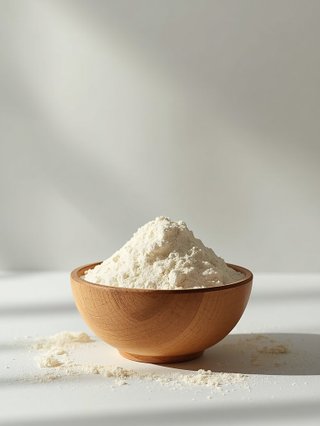
Millet flour (sorghum flour) – nutritional properties, silica, glycemic index, and homemade recipes
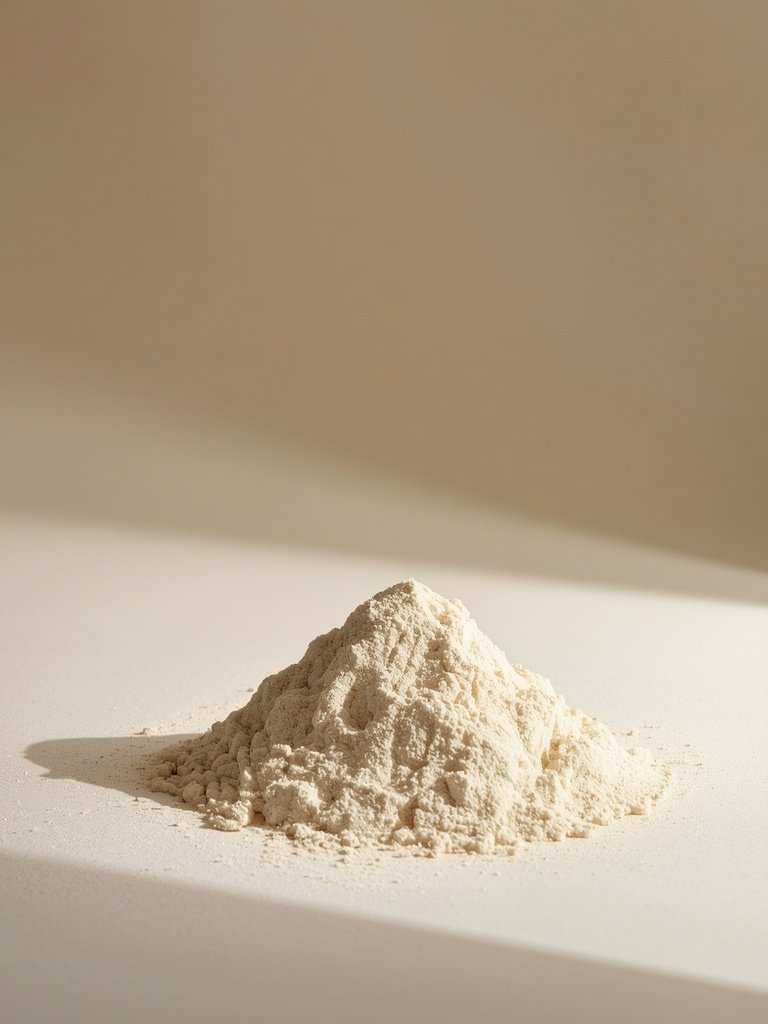
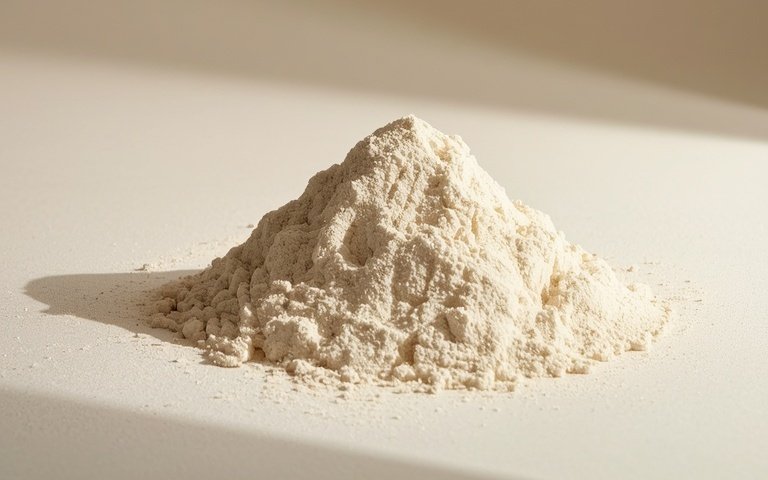
Table of Contents 4
Medical & Editorial Disclaimer (§3 Terms): This article is for informational and educational purposes only, does not constitute medical advice, diagnosis, or treatment, and is used at your own risk. Consult a qualified physician for medical conditions.
From a physiological perspective, this ancient grain flour stands out for its notable concentration of bioavailable silica, where elemental silicon supports enzymatic pathways involved in collagen synthesis to help maintain the structural integrity of hair follicles, skin elasticity, nail plates, and articular connective tissues. Furthermore, millet flour provides hypoallergenic plant proteins devoid of celiac-triggering prolamins, unsaturated lipids, and complex starches whose postprandial glycemic response can be effectively moderated by pairing millet-based dishes with dietary fiber, quality proteins, and healthy fats.
In everyday cooking and baking, millet flour offers remarkable versatility across both sweet desserts and savory recipes, yielding crisp golden waffles, flexible crepes, tender shortcrust pastries, and pillowy dumplings blended with roasted pumpkin or potato mash. When milling homemade millet flour from raw groats, thoroughly rinsing the seeds in cold water, scalding them with boiling water, and drying them completely before pulverizing removes naturally occurring bitter saponins, ensuring a clean and mildly sweet flavor profile.
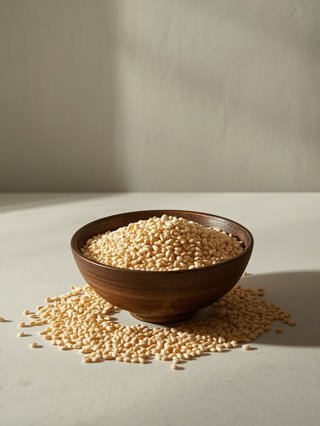
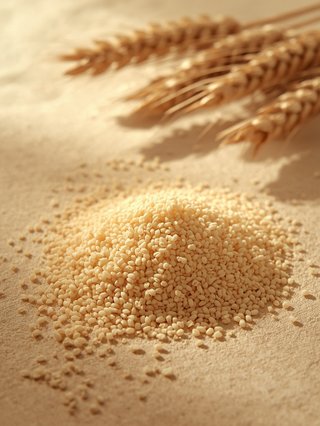
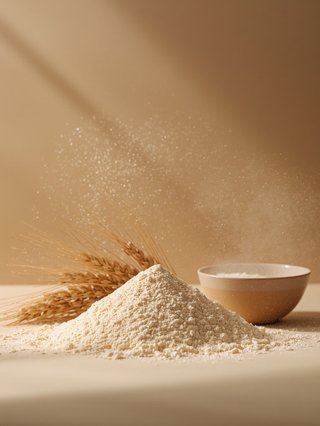
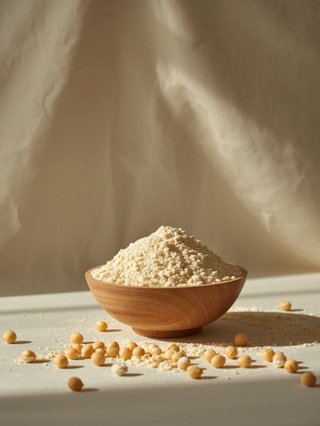
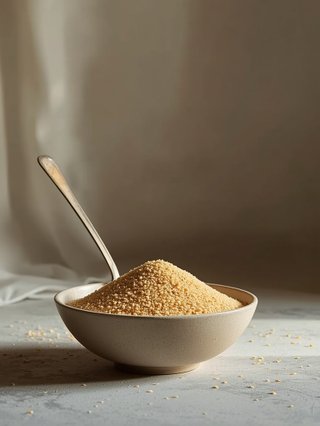
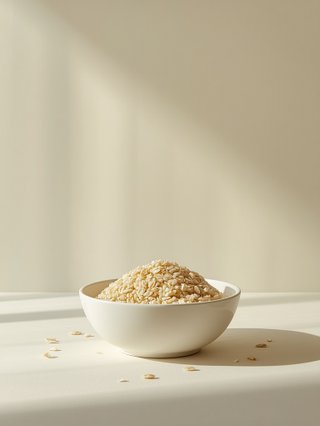
Millet flour, ground from the seeds of broomcorn millet (Panicum miliaceum), originates from one of humanity's earliest domesticated grains. Naturally gluten-free, easily digestible, and uniquely alkaline-forming in metabolic ash balance, millet flour stands out due to its exceptional concentration of bioavailable silicon (silica). This vital trace element fortifies hair follicles, dermatological elasticity, nail plates, and articular connective tissues.
Botanical Profile of Millet and Health Benefits of Millet Flour
Millet flour delivers pronounced health-promoting properties across metabolic pathways:
- Alkalizing metabolic ash – unlike acid-forming cereal grains, millet supports optimal systemic acid-base equilibrium.
- Silica for structural connective integrity – high elemental silicon stimulates prolyl hydroxylase in collagen synthesis, fortifying hair keratin, nail plates, and osteochondral matrix.
- Gentle gastrointestinal tolerance – soft digestible starch structures render millet ideal for pediatric nutrition, convalescents, and inflammatory bowel protocols.
- Micronutrient density – provides iron, magnesium, zinc, and neuroprotective B-complex vitamins.
Nutritional Profile, Gluten-Free Status, and Glycemic Index
A 100 g portion of millet flour supplies ~360–375 kcal with balanced macronutrients:
- Complex carbohydrates (~70 g) – predominantly amylopectin and amylose starch. The glycemic index of cooked millet products ranges between 65 and 70; pairing with fiber, proteins, and healthy fats dampens postprandial glycemic excursions.
- Hypoallergenic plant protein (10–11 g) – inherently free from toxic celiac-triggering prolamins.
- Healthy lipids (3.5–4 g) – rich in unsaturated fatty acids; due to lipid content, whole-grain millet flour is susceptible to rancidity and should be stored in a cool, dark container.
How to Make Homemade Millet Flour – Step-by-Step Guide
Freshly milled millet flour offers superior sweetness without the bitter undertones of stale commercial stocks:
- Eliminating saponin bitterness – thoroughly rinse raw millet groats under cold running water, scald with boiling water, and dry completely on a broad baking sheet or toast gently in a dry skillet over low heat.
- High-speed pulverization – transfer completely cooled, dry groats to a high-power blender or grain mill, milling on high speed for 60–120 seconds.
- Sifting and storage – sift through a fine mesh sieve, regrinding coarse residues. Store in an airtight container for up to one month.
Culinary Uses – Gluten-Free Pancakes, Waffles, and Cakes
Millet flour demonstrates remarkable culinary utility across sweet and savory applications:
- Pancakes and crispy waffles – whisked with milk, eggs, and baking powder, millet flour yields crisp golden waffles and flexible crepes that resist tearing.
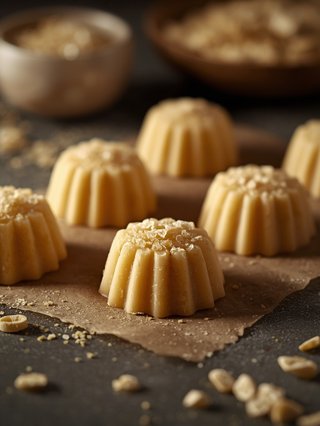
- Shortcrust pastry and cookies – the absence of gluten network tension produces exquisitely crumbly, melt-in-the-mouth tart crusts and butter cookies.
- Gluten-free gnocchi and dumplings – pairs splendidly with roasted pumpkin or potato mash to create pillowy potato dumplings (kopytka).
Want to apply these guidelines in your daily diet?
Our smart diet generator creates a tailored meal plan in 3 minutes based on the recommendations in this article.
Tags

Literatura: Adetoyeje Y. Oyeyemi, Fati Jajimaji, Adewale L. Oyeyemi, et al. Cardiovascular Responses to Millet Pounding Activity among Women in a Rural Community in Northeastern Nigeria. Ann Afr Med. 2017 Jan-Mar; 16(1): 24–29. Kam J. Puranik S. Yadav R, et al. Dietary Interventions for Type 2 Diabetes: How Millet Comes to Help. Front Plant Sci. 2016; 7: 1454. Kellen V. Lambeau, Fiber supplements and clinically proven health benefits: How to recognize and recommend an effective fiber therapy, Journal of the American Association of Nurse Practitioners 216–223.
• 23.10.2026Diets Premium Expert
Diets Premium team expert. Specializes in nutrition plans, strength sports, and training plans.