Methylsulfonylmethane (MSM) – characteristics, sources of supply, and recommended use in supplementation
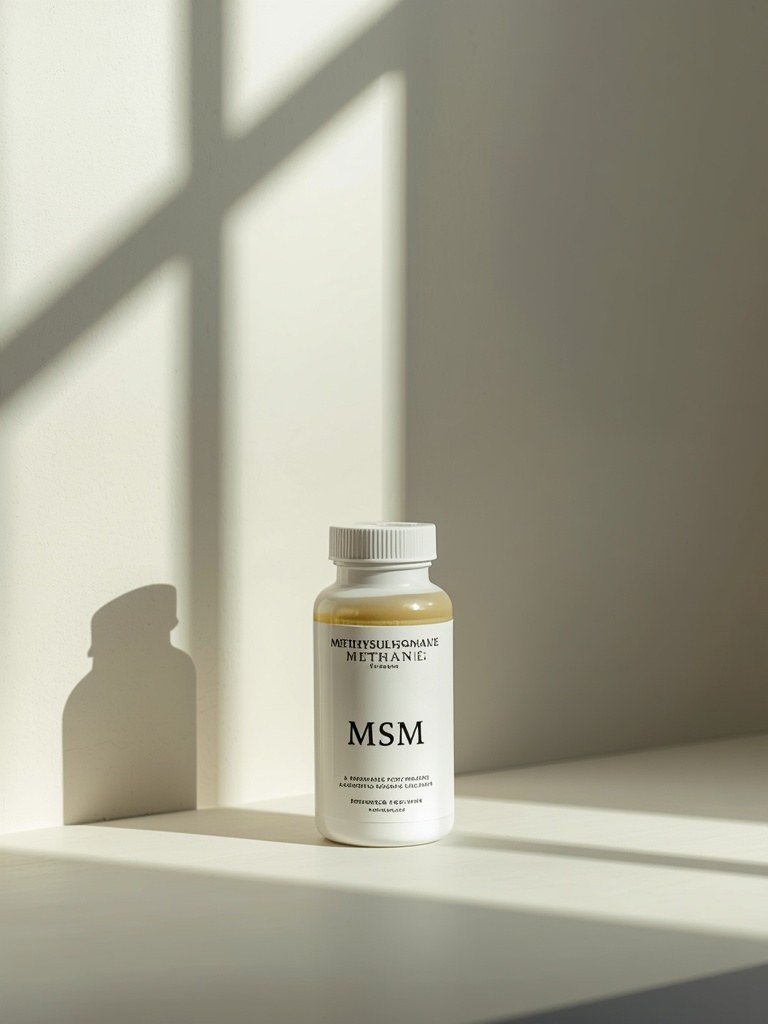

Table of Contents 5
Medical & Editorial Disclaimer (§3 Terms): This article is for informational and educational purposes only, does not constitute medical advice, diagnosis, or treatment, and is used at your own risk. Consult a qualified physician for medical conditions.
The physiological benefits of this compound are rooted in its ability to modulate inflammatory pathways and enhance the body’s endogenous antioxidant defenses. By providing bioavailable sulfur, it facilitates the stabilization of connective tissue cross-linking and helps mitigate oxidative stress at the cellular level. When combined with cofactors like vitamin C, the compound works synergistically to promote tissue repair and support overall joint function and mobility.
For practical implementation, it is best to divide the intake throughout the day with meals, avoiding consumption late in the evening due to its mildly invigorating nature. A gradual approach to supplementation helps ensure optimal digestive comfort and tolerance. As with any nutritional strategy, it is important to view this as a complement to a balanced lifestyle and to seek professional medical guidance when addressing specific health concerns.
Methylsulfonylmethane (MSM), chemically designated as dimethyl sulfone (DMSO2), is a biologically active organosulfur compound naturally occurring in all living organisms. Sulfur represents the third most abundant mineral element in the human body, providing essential disulfide bridges that stabilize collagen cross-linking, glycosaminoglycans, and structural keratin. This comprehensive review examines MSM pharmacokinetics, its anti-inflammatory efficacy in osteoarthritis, synergy with ascorbic acid, and standardized supplementation protocols.
What is Organic Sulfur and How Does MSM Cycle in Nature?
MSM is an integral component of the global oceanic sulfur cycle: marine phytoplankton synthesize dimethylsulfonium precursors, which volatilize into atmospheric dimethyl sulfide (DMS), oxidatively transforming into DMSO and MSM before returning via precipitation to terrestrial ecosystems. Structurally, MSM is an odorless, crystalline white compound with complete water solubility and exceptional cellular absorption.
Biochemical Actions – Modulation of NF-κB and Oxidative Stress
The key molecular actions of MSM include:
- Downregulation of the NF-κB pathway: Inhibits inflammatory transcription factors, significantly diminishing production of pro-inflammatory cytokines (IL-6, TNF-α) and inducible inflammatory enzymes (COX-2, iNOS).
- Glutathione upregulation: Supplying bioavailable sulfur fuels de novo synthesis of intracellular reduced glutathione (GSH), reinforcing endogenous antioxidant defenses.
- Disulfide bridging: Provides elemental sulfur for stabilizing cross-linking bonds within collagen helices, cartilage extracellular matrix, and hair/nail keratin.
MSM in Joint Health – Cartilage Regeneration and Osteoarthritis Relief
In randomized, double-blind clinical trials of knee osteoarthritis, administration of MSM (typically 3 g daily for 12 weeks) resulted in clinically meaningful reductions in WOMAC pain scores and significant functional mobility gains. Furthermore, MSM dampens exercise-induced muscle damage and mitigates delayed onset muscle soreness (DOMS) in athletic populations.
Synergistic Supplementation – Co-Administration with Vitamin C and Glucosamine
To maximize clinical efficacy, MSM should be combined with key connective-tissue cofactors:
- Vitamin C (ascorbic acid): An obligatory enzymatic cofactor for proline and lysine hydroxylation during procollagen assembly, amplifying the tissue-restorative actions of MSM.
- Glucosamine and chondroitin sulfate: Provide essential building blocks for cartilage proteoglycans, whereas MSM suppresses metalloproteinase-driven matrix breakdown.
Dosage Guidelines, Titration Strategy, and Safety Profile
The standard evidence-based therapeutic intake is 1,500–3,000 mg (1.5–3.0 g) daily, split into morning and midday doses taken with food (evening intake should be avoided as mild invigorating effects may interfere with sleep architecture). Gradual titration starting at 1,000 mg daily over the initial week minimizes transient mild bloating. Toxicological evaluations demonstrate exceptional safety comparable to table salt.
Want to apply these guidelines in your daily diet?
Our smart diet generator creates a tailored meal plan in 3 minutes based on the recommendations in this article.

Literatura: Meta-Analysis of the Related Nutritional Supplements Dimethyl Sulfoxide and Methylsulfonylmethane in the Treatment of Osteoarthritis of the Knee Sarah Brien, Phil Prescott, 2 and George Lewith https://www.ncbi.nlm.nih.gov/pmc/articles/PMC3135791/ Efficacy of methylsulfonylmethane supplementation on osteoarthritis of the knee: a randomized controlled study. Debbi EM1, Agar G, Fichman G, Ziv YB, Kardosh R, Halperin N, Elbaz A, Beer Y, Debi R. https://www.ncbi.nlm.nih.gov/pubmed/21708034 Combined effects of silymarin and methylsulfonylmethane in the management of rosacea: clinical and instrumental evaluation. Berardesca E1, Cameli N, Cavallotti C, Levy JL, Piérard GE, de Paoli Ambrosi G. https://www.ncbi.nlm.nih.gov/pubmed/18254805 Randomised, Double-Blind, Parallel, Placebo-Controlled Study of Oral Glucosamine, Methylsulfonylmethane and their Combination in Osteoarthritis. Usha PR1, Naidu MU. https://www.ncbi.nlm.nih.gov/pubmed/17516722
• 23.10.2026Diets Premium Expert
Diets Premium team expert. Specializes in nutrition plans, strength sports, and training plans.