Melon: varieties, characteristic features, nutritional values, and culinary ideas
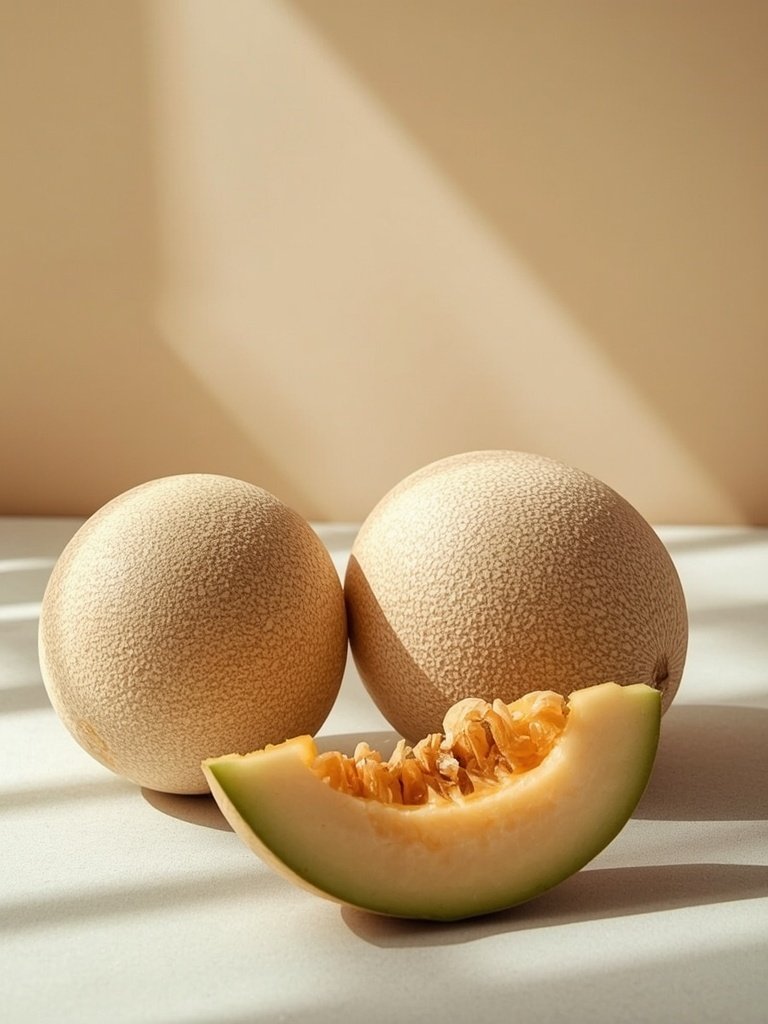
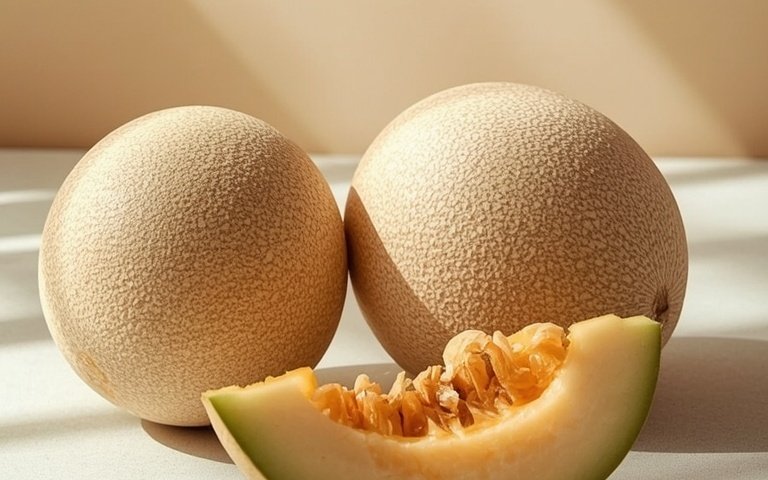
Table of Contents 5
Medical & Editorial Disclaimer (§3 Terms): This article is for informational and educational purposes only, does not constitute medical advice, diagnosis, or treatment, and is used at your own risk. Consult a qualified physician for medical conditions.
From a physiological standpoint, the remarkably high water content of melons supports cellular hydration and aids in the gentle flushing of the renal and urinary systems. Antioxidant compounds, specifically beta-carotene paired with vitamin E, play a vital role in neutralizing free radicals and protecting tissues from oxidative stress. Because melons naturally contain simple sugars such as glucose, fructose, and sucrose, they provide readily available refreshment, though individuals monitoring their blood sugar should incorporate them thoughtfully. Cultivars ranging from Cantaloupe to Galia showcase distinct skin textures, flesh colors, and subtle variations in natural sweetness.
In daily culinary applications, melon serves as an ideal hydratational snack that quenches cravings during warmer weather. Its natural sweetness pairs exceptionally well with savory fresh ingredients, such as cucumbers, cherry tomatoes, mozzarella, and basil leaves, brought together with a drizzle of olive oil and lemon juice. Preparing these fresh elements into vibrant salads offers an enjoyable way to diversify nutrient intake and naturally support overall vitality.
Fresh fruit and vegetables
Melon properties
Melon has a nutritional value
Melons of all kinds
Melon is the recipe
Want to apply these guidelines in your daily diet?
Our smart diet generator creates a tailored meal plan in 3 minutes based on the recommendations in this article.

mgr Tim Klein
• 24.09.2026Diets Premium Expert
Diets Premium team expert. Specializes in nutrition plans, strength sports, and training plans.