Sea moss (bladderwrack) – characteristics, forms of application, and role in supplementation: what benefits does taking it bring and how does it affect metabolism?
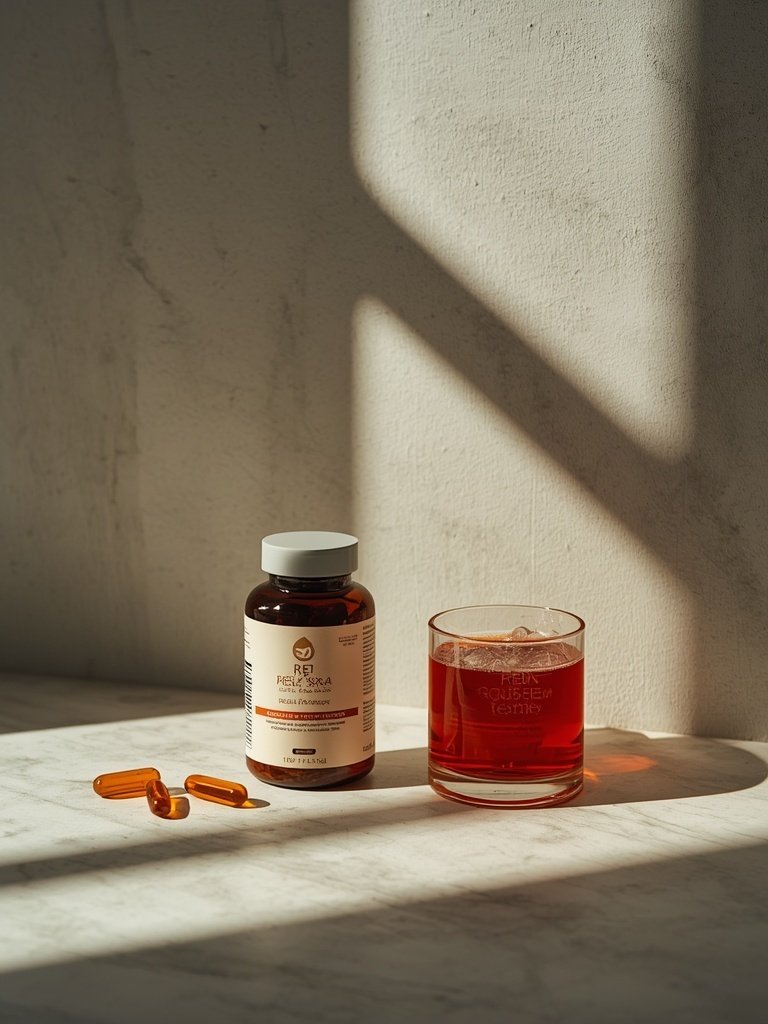
Table of Contents 5
Medical & Editorial Disclaimer (§3 Terms): This article is for informational and educational purposes only, does not constitute medical advice, diagnosis, or treatment, and is used at your own risk. Consult a qualified physician for medical conditions.
The physiological actions involve a dual mechanism: the expanding alginates physically increase gastric volume, signaling early satiety, while the iodine content helps replenish the thyroid's necessary substrate pools in sluggish metabolic states. Furthermore, fucoxanthin acts as a stimulating carotenoid that can promote lipid oxidation, and the alginates contribute to mucosal protection within the digestive tract.
For daily integration, readers can opt for standardized tablet extracts for precise dosing or traditional liquid decoctions. Regardless of the chosen format, it is important to recognize that the seaweed concentrates essential trace minerals from its marine habitat. Thoughtful inclusion of Bladderwrack can enrich the diet and support overall metabolic balance.
Bladderwrack (Fucus vesiculosus) is an essential marine phaeophyte extensively utilized across clinical naturopathy and nutritional endocrinology. Abundant in bioavailable organic iodine, thermogenic fucoxanthin, and bioactive structural polysaccharides (alginates and sulfated fucoidans), it optimizes resting metabolic rate, promotes satiety, and exerts mucosal protection. This guide evaluates administration forms (traditional liquid decoctions vs. standardized tablet extracts), metabolic pathways, and toxicology criteria.
Bladderwrack – Marine Origin and Ocean Mineral Concentration
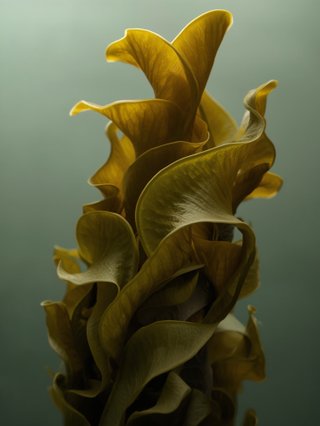
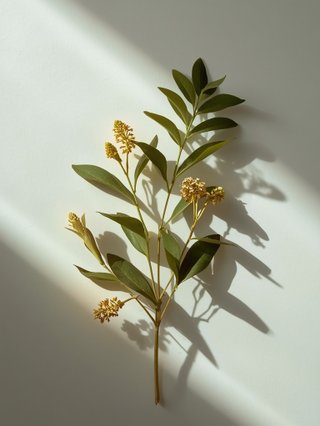
Inhabiting dynamic intertidal marine rocky habitats, bladderwrack thrives amidst high-energy wave breaks. Through constant contact with oceanic currents, it selectively bioaccumulates essential trace minerals and electrolytes, presenting them in bioavailable organic complexes.
Phytochemical Profile – Iodine, Alginates, and Fucoxanthin
Three primary biochemical factions define bladderwrack pharmacology:
- Organic iodine: Obligate trace element for thyroid follicular hormonogenesis (T4 and T3).
- Alginic acid: Hydrophilic dietary fiber that expands in the stomach, establishing a protective mucosal barrier against gastric acid.
- Fucoxanthin: A characteristic xanthophyll carotenoid stimulating uncoupling proteins and lipid oxidation.
Bladderwrack in Weight Loss – Satiety and Metabolic Stimulation
In metabolic and weight reduction regimens, bladderwrack operates via a dual-action mechanism: swelling alginates expand in the gastric volume to generate early mechano-receptor satiety signaling, while standardized iodine replenishes thyroid substrate pools in subclinically sluggish metabolisms, normalizing daily caloric expenditure.
Bladderwrack Tablets – Standardization, Convenience, and Safety
Encapsulated and tablet formulations represent the gold standard delivery format due to palatability and exact microgram-level (mcg) iodine standardization. Unlike variable home-brewed infusions, laboratory-tested tablets prevent inadvertent iodine overdosing and verify total compliance with toxicological purity thresholds for heavy metals.
Liquid Bladderwrack Preparations – Decoctions, Teas, and Sensory Profile
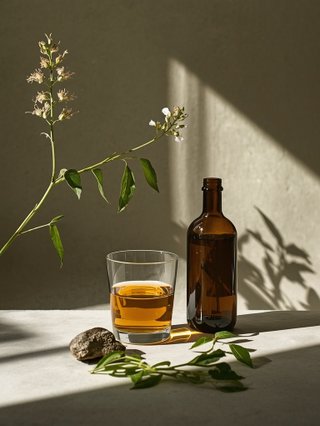
Traditional liquid administration involves decocting dried bladderwrack thallus: 1 teaspoon of shredded herb is simmered in 250 ml of water for 5 minutes in a covered vessel. The decoction exhibits a pronounced briny, marine-like aroma and saline taste attributable to concentrated oceanic minerals, sulfur volatiles, and alginate residues.
Want to apply these guidelines in your daily diet?
Our smart diet generator creates a tailored meal plan in 3 minutes based on the recommendations in this article.
Tags

Literatura: Lamer-Zarawska E.: Farmakgnozja. s. 44-45 [w:] E.Lamer-Zarawska i wsp. Fitoterapia i leki roślinne, Wydawnictwo Lekarskie PZWL, Warszawa 2012. Balina K., Romagnoli F. I Blumberga D.: Chemical composition and potential use of Fucus vesiculosus from Gulf of Riga, Energy Procedia, 2016, 95, 43-49. Haskell-Ramsay C., Jackson P., Dodd F. I wsp.: Acute Post-Prandial Cognitive Effects of Brown Seaweed Extract in Humans, Nutrients, 2018, 10, 1-14. Diaz-Rubio M., Jimenez J. i Saura-Calixto F.: Dietary fiber and antioxidant capacity in Fucus vesiculosus products, International Journal of Food Sciences and Nutrition 2009, 60, 23-34.
Diets Premium Expert
Diets Premium team expert. Specializes in nutrition plans, strength sports, and training plans.