Mandarin – nutritional properties, caloric value, and a homemade recipe for aromatic mandarin liqueur
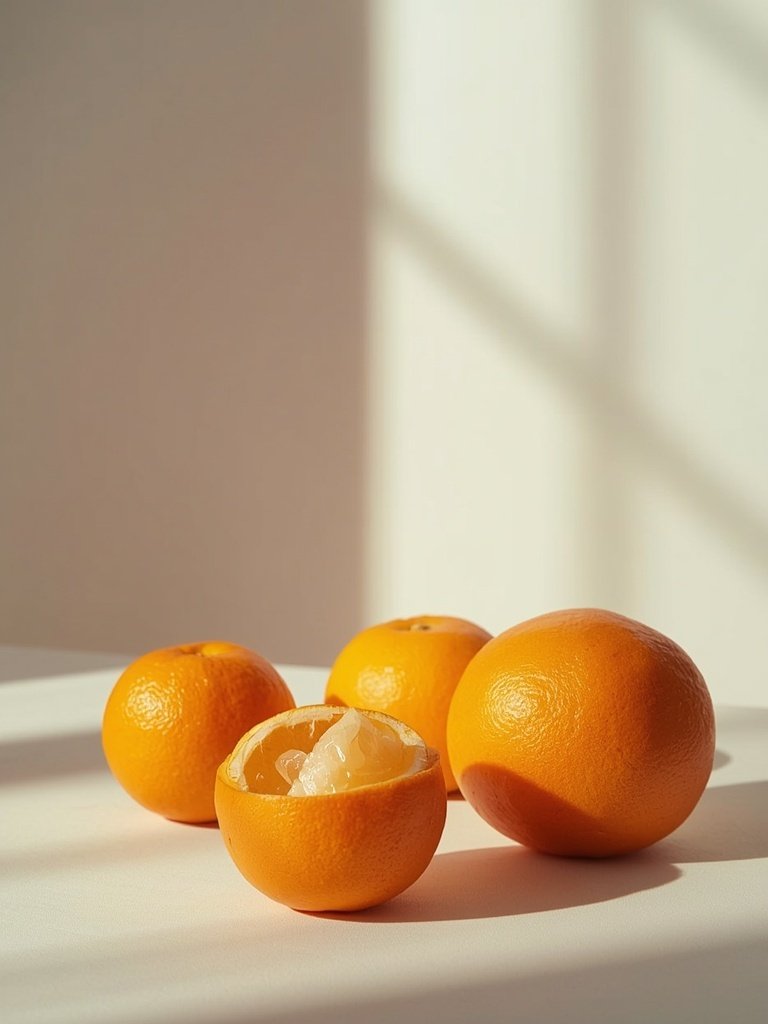
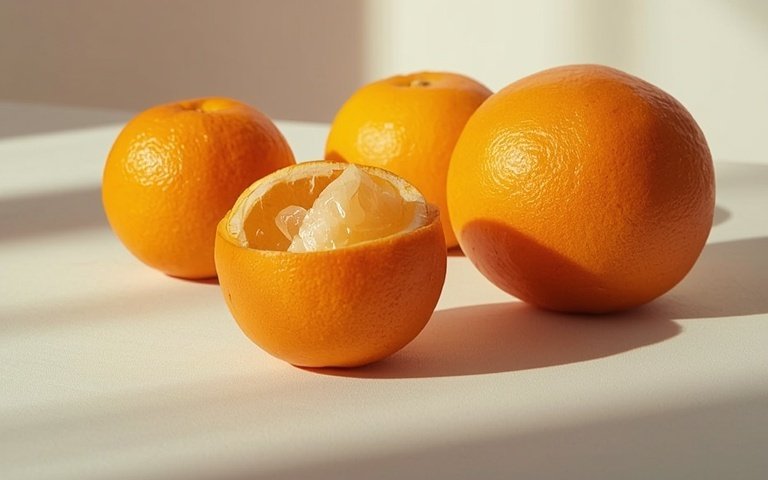
Table of Contents 4
Medical & Editorial Disclaimer (§3 Terms): This article is for informational and educational purposes only, does not constitute medical advice, diagnosis, or treatment, and is used at your own risk. Consult a qualified physician for medical conditions.
Physiologically, mandarins deliver a rich spectrum of bioactive components, including vitamin C, folate, potassium, and carotenoids such as beta-cryptoxanthin. Specific citrus flavonoids, notably nobiletin and tangeretin, contribute to cellular protection and vascular health through their anti-inflammatory properties. Furthermore, the presence of soluble dietary fiber alongside natural carbohydrates supports gradual digestion and healthy satiety, allowing the body to absorb nutrients efficiently without causing sharp energy fluctuations.
Integrating mandarins into daily routines is both effortless and versatile. Consuming the whole fruit, including the albedo layer, ensures maximal intake of dietary fiber and beneficial flavonoids. Beyond raw consumption, the aromatic zest and juice can be repurposed for culinary creations or traditional homemade citrus liqueurs. When utilizing the outer peel for infusions or recipes, selecting organic fruit and thoroughly washing the surface helps maintain both quality and safety.
Mandarines and other edible mushrooms
The properties of mandarins
Mandarins are calories
Other, of a fat content, by weight, not exceeding 50% by weight
Want to apply these guidelines in your daily diet?
Our smart diet generator creates a tailored meal plan in 3 minutes based on the recommendations in this article.
Tags

mgr Tomasz Jankowski
• 24.09.2026Diets Premium Expert
Diets Premium team expert. Specializes in nutrition plans, strength sports, and training plans.