Key Takeaways
Mallow, particularly the darker varieties like black mallow (Alcea rosea), has been an integral part of traditional folk medicine and rural aesthetics for centuries. Its diverse medicinal properties, attributed to specific plant compounds, make it a fascinating subject for those interested in natural health approaches and the use of medicinal plants. Beyond its therapeutic applications, the delicate, sweet taste of its blossoms also enriches culinary creations, appearing in desserts and salads.
The medicinal attributes of mallow are primarily linked to the flavonoids found in its flowers. These compounds may exhibit anti-inflammatory effects and contribute to the stabilization of blood vessels. Notably, the dark flowers of mallow are rich in anthocyanins, renowned for their antioxidant properties. These plant substances can help protect the body from adverse influences and support overall well-being. The mucilage content of mallow is also valued for its soothing action on irritated mucous membranes.
For daily health support, mallow can be utilized in various ways. Dried flowers are excellent for preparing infusions or teas, which may offer relief for upper respiratory tract discomfort or dry coughs. However, it is crucial to avoid use during pregnancy and breastfeeding, and to be mindful of potential interactions with regularly taken medications. Maintaining a time interval between consuming mallow preparations and other medicines is advisable to ensure optimal absorption of active substances. Mallow blossoms are readily available in herbal apothecaries and health food stores.
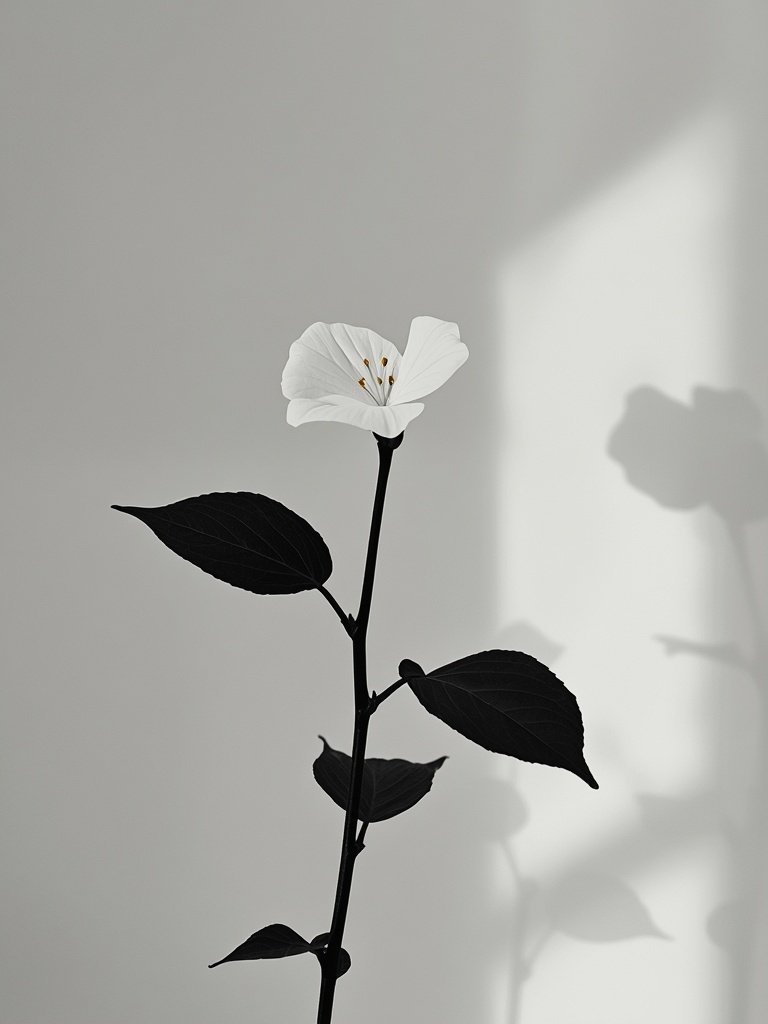
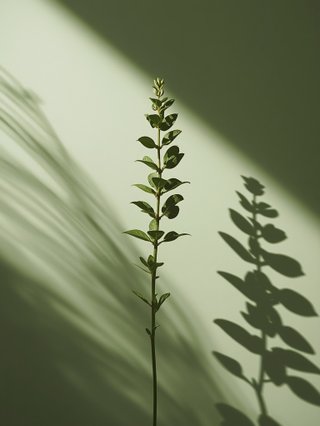
The white, yellow, pink, red, purple, sometimes black flowers of Alcea rosea have been part of the beauty of the countryside for centuries, and their healing properties have been utilized in traditional folk medicine. The delicate, sweet taste of the black mallow flower crown has delighted many gourmets as an ingredient in cakes, desserts, and salads.
04 / 07
The medicinal properties of black paint
The bioactive substances responsible for the properties of Flos Malvae arboreae include:
anthocyanins (delphinidin, petunidin, malvidin, malvina); flavonoidal phytoestrogens; mucilage (10 – 12 %); pentoses (sugars); uronic acids; sugar alcohols; flavonoids (kaempferol, quercetin, myricetin); tannins; phenolic acids; pectins. Biologically active compounds (flavonoids and anthocyanins) contained in Flos Malvae arboreae exhibit anti-inflammatory and stabilizing effects on the vascular endothelium. Furthermore, they improve ocular and cerebral circulation [2, 4]. Black mallow also contains anthocyanins, which have anti-inflammatory properties. Mallow is known as an expectorant and bronchodilator. Mallow soothes hoarseness, recommended for sore throat and dry cough.
Infusions from dried mallow flowers can be used when struggling with upper respiratory tract infections or applied to rinse the mouth and throat. The mucilaginous compounds contained in the mallow flower are used in treatments for various respiratory diseases, when dealing with sore throat, laryngitis, throat inflammation, and persistent dry cough. They thin the mucus accumulated in the throat, facilitating its expectoration. Mallow soothes laryngitis. Oral preparations made from mallow flowers have a protective and coating effect on the mucous membranes of the mouth and throat. It is excellent for supporting the treatment of laryngitis, bronchitis, and dry cough. Interestingly, the infusion of black mallow flowers can be used without problems during respiratory infections, even in the youngest children. Mallow for digestion and stomach inflammation
Black mallow tea is a known agent that supports the digestive system. Its consumption is especially recommended during gastritis. Black mallow is helpful not only for stomach ailments but also effectively protects the mucous membrane of the esophagus. It is worth remembering that the infusion should not be drunk immediately before and after meals. The mucilaginous compounds in which the plant is rich hinder the absorption of some nutrients from food. Mallow helps with dermatological problems.
Black mallow has also found application in cosmetics, where it is recommended for the care of acne-prone skin, especially in the course of rosacea with dilated blood vessels. In addition, aqueous extracts of its flowers have antiseptic properties. Compresses made from black mallow are excellent for moisturizing and regenerating the skin. People with dry or combination skin can use an infusion of black mallow flowers instead of toner. The plant's anti-inflammatory properties are also known. Due to its beneficial properties, black mallow is used in the treatment of many dermatological conditions, including:
eczema, sunburn, irritations, acne, excessive skin peeling. Mallow is recommended for tired eyes
Due to its high content of mucilage compounds, the action of black mallow (Althaea rosea L.) is comparable to marshmallow. Mallow flowers are an excellent source of antioxidants such as chlorella and berberine. The plant helps to alleviate eye problems. Compresses made from a decoction of black mallow act soothingly on irritated, dry, and tired eyes. An infusion of mallow flowers improves circulation, which reduces dark circles under the eyes and prevents eyelids from becoming swollen. Black mallow flowers contain small amounts of essential oil, resin, mineral salts, and a plant hormone with estrogenic activity. External compresses made from black mallow infusion can be a golden mean for tired, burning eyes, especially for IT professionals, corporate employees, or office workers. Mallow regulates menstruation
Folk medicine has used black mallow flower for centuries in menstrual disorders, including painful, scanty, and heavy menstrual bleeding. Black mallow is known for its properties stimulating the reproductive system. It has been proven that mallow regulates menstruation. In many situations, it has been confirmed that black mallow is capable of inducing delayed or stopped menstruation. Many women praise the plant's effect on regulating bleeding intensity. To date, no scientific studies have provided a definitive answer to the question of whether black mallow accelerates menstruation, but there is no doubt that its use has a beneficial effect on the reproductive system. Furthermore, its flowers exhibit estrogenic activity and for this reason, they are used, alone or in mixtures with clover and dandelion flowers, as auxiliary agents in alleviating unpleasant symptoms of menopause.
Want to apply these guidelines in your daily diet?
Our smart diet generator creates a tailored meal plan in 3 minutes based on the recommendations in this article.