Mackerel – Nutritional Value, Omega-3 Fatty Acids (EPA and DHA), Selenium, and Culinary Uses

Smart Voice
AITable of Contents 4
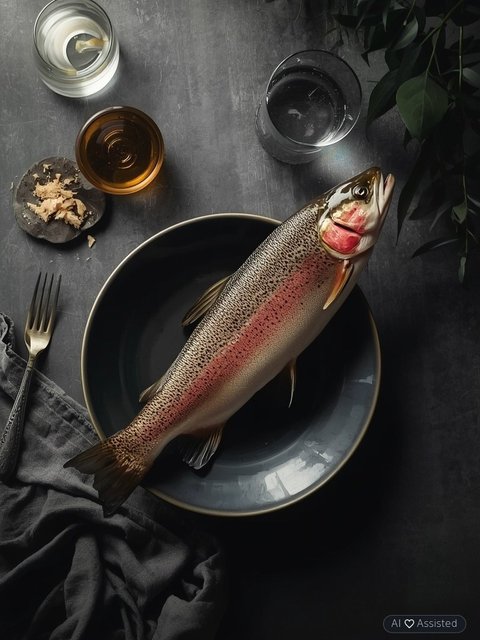
Atlantic mackerel (Scomber scombrus) is an exceptionally nutrient-dense pelagic oily marine fish. It stands out due to its profound concentrations of long-chain polyunsaturated omega-3 fatty acids (eicosapentaenoic acid EPA and docosahexaenoic acid DHA), complete biological protein, vitamin D3, and selenium. Consistent mackerel consumption confers proven cardioprotective, neuroprotective, and systemic anti-inflammatory benefits, anchoring evidence-based preventative nutrition.
Biochemical Profile and Nutritional Value of Mackerel – Omega-3 Power
A 100 g serving of fresh Atlantic mackerel supplies 200–260 kcal with profound bioactivity:
- Long-chain omega-3s (EPA & DHA) – delivers 2.5 to 3.0 g per 100 g, fulfilling an entire week's clinical reference allowance in one meal; directly lowers serum triglycerides, suppresses platelet aggregation, and preserves cardiac rhythm.
- Complete animal protein (19–20 g) – exceptional amino acid bioavailability.
- Vitamin D3 – provides >100% of the recommended daily intake for skeletal mineralization and immune competence.
- Selenium (45–50 mcg) – fulfilling >80% of daily needs, activating glutathione peroxidase enzymes and thyroid deiodinases.
Health Benefits: Cardiovascular, Brain, and Visual Protection
Systematic clinical studies confirm the systemic benefits of regular mackerel consumption:
- Cardiometabolic vasculoprotection – attenuates plasma fibrinogen, promotes nitric oxide endothelial vasodilation, and slashes ischemic stroke risks.
- Neurocognitive architecture – DHA incorporates into neuronal cell membranes, sustaining synaptic transmission speed, attenuating dementia risks, and optimizing fetal neurogenesis.
- Anti-inflammatory potency – displaces arachidonic acid in membrane lipids, subduing chronic joint pain in rheumatoid arthritis.
Fresh vs Smoked Mackerel – Safety, Sodium Content, and Purines
Culinary processing dictates clinical dietary indications:
- Fresh mackerel (baked/grilled) – optimal clinical choice; minimal sodium, preserved intact lipid double bonds, devoid of polycyclic aromatic hydrocarbons (PAHs).
- Smoked mackerel – highly flavorful yet packs elevated sodium (2–3 g salt/100 g) and smoking pyrolysis residues; hypertensive and renal patients should moderate portion sizes.
- Purine density – high purine content warrants caution in hyperuricemia and gout.
- Minimal methylmercury bioaccumulation – Atlantic mackerel boasts low trophic bioaccumulation, making it far safer than predatory tuna or swordfish.
Culinary Preparation – Herb-Roasted Mackerel and Homemade Fish Spread
Two exquisite home kitchen recipes:
Herb-Roasted Fresh Mackerel:
- Rub gutted whole mackerel with sea salt, crushed garlic, and olive oil; stuff cavity with fresh thyme sprigs and lemon slices. Roast at 200°C (400°F) for 20–25 minutes until succulent.
Smoked Mackerel and Quark Sandwich Spread:
- Flake deboned smoked mackerel with low-fat quark (or cottage cheese), minced chives, a touch of Dijon mustard, and black pepper. A protein-rich, omega-3-packed breakfast spread.
Want to apply these guidelines in your daily diet?
Our smart diet generator creates a tailored meal plan in 3 minutes based on the recommendations in this article.
Tags

mgr David Janitzek
Diets Premium Expert
Diets Premium team expert. Specializes in nutrition plans, strength sports, and training plans.