Lactic Acid and Lactic Acid Bacteria: Exercise Physiology, Lactate Shuttle, and Probiotic Fermentation

Smart Voice
AITable of Contents 3
Lactic acid (lactate) was historically mischaracterized by early exercise physiologists as a noxious metabolic waste product causing muscle soreness and fatigue. Contemporary biochemistry has thoroughly dismantled this myth: lactate functions as a dynamic cellular energy fuel, an obligatory mitochondrial substrate via intracellular lactate shuttles, and a potent metabolic signaling molecule. Simultaneously, lactic acid bacteria (LAB) drive gut microbiome integrity and food preservation. This monograph reviews lactate kinetics, the Cori cycle, and probiotic benefits.
Lactate Exercise Physiology: Debunking the Soreness Myth and the Lactate Shuttle
Contemporary scientific re-evaluation of systemic lactate dynamics:
- Debunking Delayed Onset Muscle Soreness (DOMS): Muscle soreness results from microscopic structural micro-tears along myofibrillar Z-discs, not lactate. Circulating lactate clears within 60–90 minutes post-exercise.
- The Cell-to-Cell Lactate Shuttle: Discovered by Prof. George Brooks; lactate is actively transported via monocarboxylate transporters (MCT1/4) to fuel aerobic cardiac myocytes, neurons, and type I muscle fibers.
- Hepatic Cori Cycle: Lactate is shunted via the bloodstream to the liver, where gluconeogenesis reconstitutes new glucose molecules for continuous energy cycling.
Microbiology of Lactic Acid Bacteria (LAB): Probiotic Mechanisms
Microbiological features and clinical benefits of lactic acid bacteria:
- Core Genera: Lactobacillus, Bifidobacterium, Lactococcus, Pediococcus, and Streptococcus thermophilus.
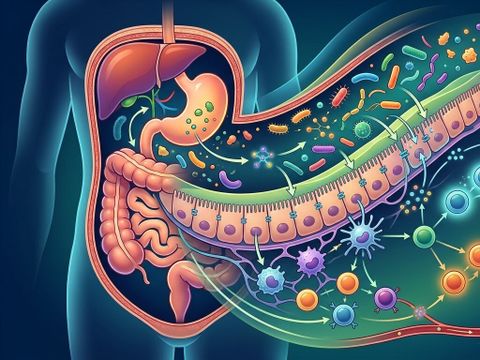
- Luminal Acidification: By fermenting carbohydrates into lactic acid, LAB maintain a protective acidic environment (pH 4.0–5.0) that suppresses pathogenic pathogens like Salmonella and Clostridioides.
- Bacteriocins and Mucosal Immunity: Produce natural antimicrobial peptides (bacteriocins) while prompting mucosal dendritic cells to secrete protective secretory IgA (sIgA).
Traditional Food Fermentation and Nutritional Health Benefits
Traditional fermented foods as functional nutritional staples:
- Cultured Dairy Products: Natural yogurts and kefir enhance lactose digestion via microbial beta-galactosidase and deliver highly bioavailable calcium.
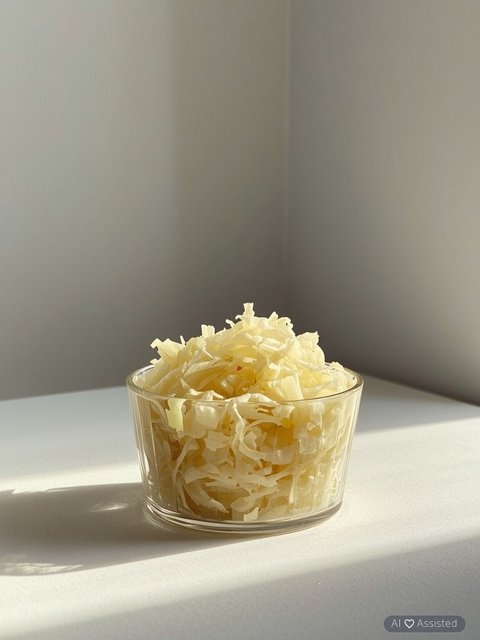
- Fermented Vegetables: Traditional sauerkraut, fermented pickles, and kimchi provide concentrated vitamin C, glucosinolates, and resilient probiotic colonies.
- Metabolic Longevity Outcomes: Clinical dietary trials link regular fermented food intake to reduced systemic inflammatory markers (hs-CRP) and superior glycemic stability.
Want to apply these guidelines in your daily diet?
Our smart diet generator creates a tailored meal plan in 3 minutes based on the recommendations in this article.
Tags

mgr Literatura: http://www.e-biotechnologia.pl/Artykuly/Biotechnologiczna-produkcja-kwasu-mlekowego-przez—grzyby-z-rodzaju-Rhizopus-i-jego-wykorzystanie/ [data dostępu: 15.04.2018], Jurkowski M., Błaszczyk M., Charakterystyka fizjologiczno-biochemiczna bakterii fermentacji mlekowej, Kosmos. Problemy nauk biologicznych 2012, 296, 493 Górska K. i Pietkiewicz J. J., Funkcje technologiczne i charakterystyka kwasów dodawanych do żywności, Prace naukowe Uniwersytetu Ekonomicznego we Wrocławiu 2009, 57, 141 Mojka K., Charakterystyka mlecznych napojów fermentowanych, Probl Hig Epidemiol 2013, 94, 722
Diets Premium Expert
Diets Premium team expert. Specializes in nutrition plans, strength sports, and training plans.