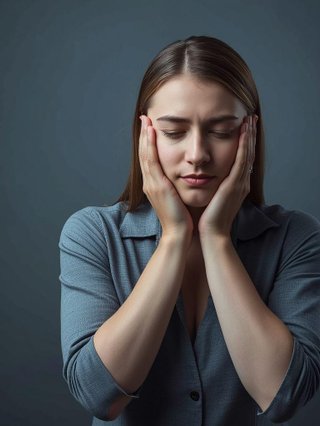
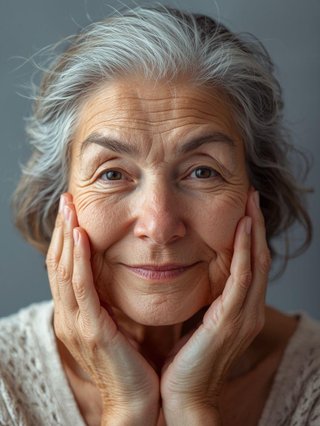
Lack of vitality can be a symptom of illness

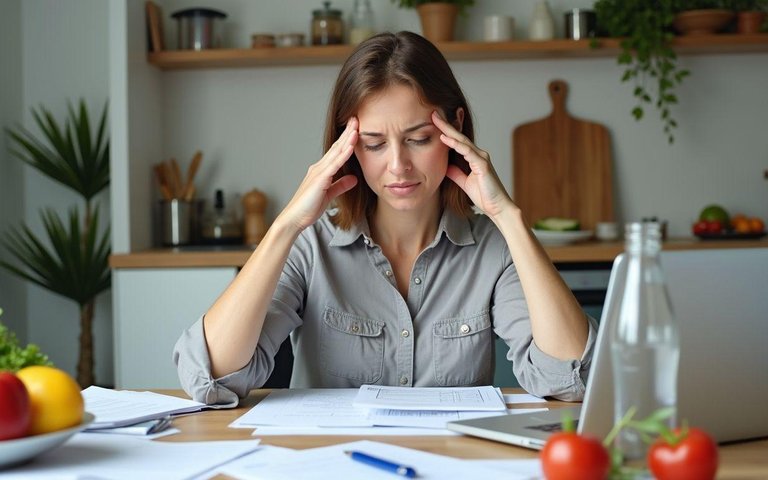
Table of Contents 5
Medical & Editorial Disclaimer (§3 Terms): This article is for informational and educational purposes only, does not constitute medical advice, diagnosis, or treatment, and is used at your own risk. Consult a qualified physician for medical conditions.
The text examines how the body relies on sustenance to fuel daily functioning and explains why energy requirements vary significantly from person to person. Variables such as age, height, body weight, gender, and physical activity levels shape both the basal metabolic rate required for basic physiological processes and the total energy expenditure needed for daily movement from sedentary rest to active work. Furthermore, the article highlights that a persistent lack of vitality may also accompany underlying medical conditions, including anemia, chronic fatigue syndrome, diabetes, blood pressure irregularities, heart failure, depression, thyroid disorders, or Lyme disease.
As a practical takeaway, readers are encouraged to evaluate their daily lifestyle and nutritional patterns before jumping to conclusions about the cause of their fatigue. Aligning food intake and nutritional quality with individual metabolic and physical activity needs helps support healthy energy balance throughout the day. When chronic exhaustion persists despite mindful adjustments to diet and daily habits, seeking professional medical evaluation is an important step to rule out or address potential health conditions.
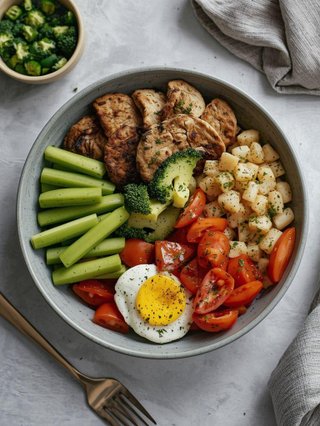
Energy in the context of sustenance
Energy needs of the body – how to calculate them
An equation for PPM for a male individual
A formula for PPM for a woman
Energy deficiency – may be an indicator of an ailment
Want to apply these guidelines in your daily diet?
Our smart diet generator creates a tailored meal plan in 3 minutes based on the recommendations in this article.

Oliwia Kaczmarek
• 24.03.2026Diets Premium Expert
Diets Premium team expert. Specializes in nutrition plans, strength sports, and training plans.