Key Takeaways
Kidney stone disease is a systemic condition that extends far beyond local urinary discomfort, deeply intertwining with overall cardiovascular wellness. The formation of mineral deposits within the renal system frequently correlates with metabolic imbalances, significantly elevating the risk of developing hypertension and coronary artery disease. Establishing a targeted nutritional approach is essential to prevent crystal precipitation and safeguard long-term renal function. By understanding the underlying physiological triggers, individuals can make informed dietary choices that support the body's natural filtration processes.
The biomechanical root of stone formation lies in urine supersaturation and altered fluid balance. Maintaining a high daily intake of fluids, particularly low-mineral water, dilutes the urine and facilitates the seamless excretion of metabolic waste products. Conversely, excess sodium, strong coffee, concentrated teas, and alcohol can place unnecessary stress on the kidneys. While popular belief often suggests that beer might assist in passing stones due to its diuretic properties and ability to increase renal filtration, scientific evaluation urges caution due to the compound physiological trade-offs of alcohol consumption. Clinically, the condition manifests through severe, radiating flank pain, nausea, and systemic inflammatory responses.
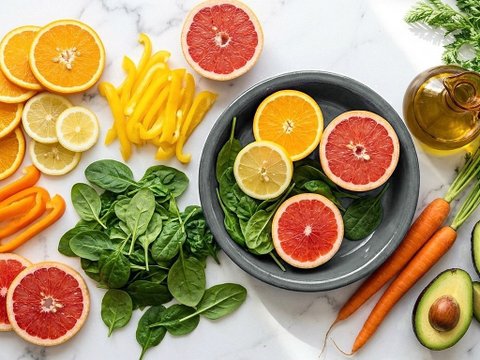
Practical management relies on consistent dietary modifications tailored to reduce mineral crystal accumulation. Meal planning should emphasize whole foods, such as dark whole-grain pastries, fresh vegetables, lean poultry, and cultured dairy like plain yogurt paired with fresh berries. Diluted citrus juices, including orange or lemon water, contribute beneficial organic compounds that support urinary tract equilibrium. Reducing common table salt, harsh spices, and alcoholic beverages, while incorporating moderate physical movement, provides a robust foundation for renal support and cardiovascular protection.
Kidney stones are classified as a systemic condition affecting approximately 5–20% of the population, with men being more commonly diagnosed. Due to their prevalence and associated clinical scenarios, they can significantly increase the risk of cardiovascular diseases such as hypertension and coronary artery disease. In this article, we will provide a comprehensive overview of this condition and offer practical advice on selecting appropriate food products to aid in the treatment process. We invite you to explore the content!
02 / 04
Diet for kidney stones
In addition to genetic factors or taking certain medications, an improperly composed daily diet contributes to the formation of stones. General basic dietary recommendations for kidney stones include high fluid intake (even 4–5 L per day, a minimum of 2 L, including low-mineralized water), limiting salt intake (including products containing salt), strictly excluding alcohol, strong coffee, and tea, and spicy seasonings from the daily diet; increasing physical activity is also recommended. Further, precise recommendations depend on the type of diagnosed kidney stones. In calcium oxalate stones, it is advisable to consume foods rich in fiber and low in simple sugars and oxalates. In individuals with increased oxalate absorption from the digestive tract, it is recommended to increase calcium intake in the diet and total protein (even up to 90 g/day). The menu should also include an additional intake of micro- and macronutrients, such as magnesium or phosphorus. Products that are sources of oxalates should be limited, namely: spinach, Swiss chard, sorrel, beets, rhubarb, blueberries, grapes, gooseberries, plums, raisins, cocoa, chocolate, coffee, and tea. The most common cause of calcium oxalate stones is alkaline urine, which can result from bacterial infection that breaks down urea into ammonia and carbon dioxide. To counteract this in the diet, it is worth including acidifying foods such as: meat (lean), fish (fatty and lean), cold cuts, and bread. Fluid intake should also be increased to a minimum of 2.5 L per day. In the daily menu, however, salt intake (including salted foods) and foods rich in calcium, phosphates, and oxalates must be limited, i.e., milk and its derivatives, cheeses, eggs, legumes, and canned goods. The daily protein intake should not exceed 90 g/day, so that urine pH remains within the range of 6 (1 g/kg of body weight/day). Recommendations for struvite stones include only acidifying the urine by introducing acidifying medications. Diet for gout is based on alkalinizing urine to a pH of 6.6–7, as uric acid solubility increases with rising pH. Patients with this type of stones should include dairy products and large amounts of vegetables in their daily menu. Products that should be limited, however, are those that are sources of purines, which are metabolized into uric acid in the body. These include, among others: meat broths and sauces, meat jellies, offal, sardines, herring, sprats, caviar, nuts, legumes, mushrooms, and yeast. In this case, the daily protein intake should be limited to approx. 60 g/day. Therefore, a frequently recommended diet is a dairy-based diet, in which meat, poultry, and fish should be consumed in limited quantities and preferably cooked. Fluid intake should not be less than 2 L per day. The cause of cystine stones is impaired reabsorption of the amino acid – cystine. Alkalinization of urine is important in treatment, as cystine dissolves in high pH. Dietary recommendations include limiting the intake of cystine and methionine (an amino acid that is converted to cystine in the body) in the daily menu. To achieve this, consumption of meat and its processed products, fish, eggs, wheat, and soy should be limited. Fluid intake should be about 150 ml/hour, mainly in the form of neutral and alkalizing drinks (such as water with bicarbonates, citrus juices, water with lemon, fruit teas); milk and its products are also recommended, and salt intake should be limited to less than 3 g/day.
Want to apply these guidelines in your daily diet?
Our smart diet generator creates a tailored meal plan in 3 minutes based on the recommendations in this article.