Is that even a way to store food to prevent waste?

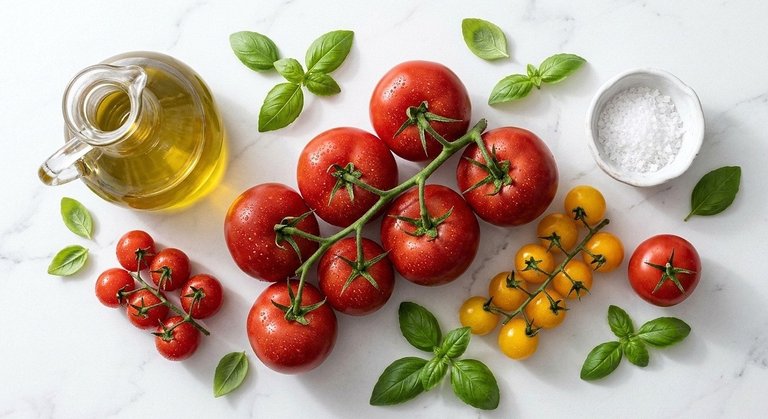
1 photo
683
Smart Voice
AI
0:00
0:00
Listen to the article content live
Table of Contents 9
PRO Content
PRO
This article is professional premium content (PRO) provided in its entirety.
Food waste is a huge problem. 88 million tonnes of food is discarded annually throughout the European Union, of which an average of 50% of waste is generated in households. According to Greenpeace Poland data from 2017, about 9.9 million tons of food are wasted in Poland annually.
01 / 09
Reasons behind food wastage
Annually across the globe, one-third of the produced food goes to waste. There exists no single definition for food wastage.
02 / 09
Food Squandering
In accordance with the definition of the Food and Agriculture Organization of the United Nations (FAO), this term pertains to:, which are associated with the loss of mass during the storage of the product and the deterioration of the quality and nutritional value of food; as well as , i.e. food items that were intended for human consumption but were disposed of for some reason, such as due to the spoilage of the product or exceeding the expiration date. A study conducted by D. Kołożyn-Krajewska and B. Bliska in 2019 found that up to 42% of Poles admitted to discarding food. The most commonly wasted items are bread, processed meats, and fresh fruits. Similar results were found in the study by A. Piotrowska-Puchała and S. Stasiak, which identified the most common reasons for discarding food as spoilage, expiration, and preparing too much food.
03 / 09
Consequences of food waste
Food waste is linked with a broad array of negative consequences. This includes not only the disposal of food, but also municipal waste and the loss of precious water and energy resources during production. Excessive discarding of food items constitutes a serious threat to the environment. The production of food is associated with the emission of greenhouse gases into the atmosphere. Moreover, an increase in food waste results in not only organic waste but also inorganic waste (packaging), entailing costs for waste disposal and transportation to landfill sites.
04 / 09
How can we avoid wasting food?
To reduce food waste, it is very important to check the expiry date of the product which is on the packaging. It is best to buy products with a longer expiration date to make sure that the product will also be used on time. If only the products on the prepared list are purchased, no unnecessary food items will be found at home that may not be used. When shopping, it is necessary to check the validity date of a product that is on your package. However, it's best to purchase products with longer expiry dates so that you can be sure that it will be used as well. If you buy the product on the same day, you can choose the one that has a date of availability for the finished product or not. It is also important to check the product for damage or signs of spoilage before purchasing. It is best to do the shopping 1-2 times a week, as more frequent shopping can lead to buying unnecessary products. If you go shopping hungry, you may also tend to buy unnecessary products. It is also not advisable to stock up on more food than necessary, as these are often not needed and thrown away. It is very important to store the food properly. The storage conditions are stated on the product packaging. It is therefore advisable to read the labels carefully and to store the products in such a way that they remain fresh as long as possible. The shelf life can also be extended by pickling, freezing, or drying.
05 / 09
Principles of preserving food items
Food items should be stored in such a manner as to maximally extend their freshness, nutritional value, sensory quality, and health benefits. Inappropriate storage conditions result in faster spoilage of products. Each product necessitates specific storage conditions. Attention must be paid to temperature, packaging type, product arrangement, hygienic conditions, and storage duration. Some products must be stored in the refrigerator, while others require room temperature. It is crucial to maintain perpetual cleanliness in kitchen cabinets and refrigeration appliances. Products should be sorted according to their expiration date. Products with shorter expiration dates should be stored in the front row of the cabinet or refrigerator. It is advisable to apply the FIFO principle (first in – first out). Furthermore, it is beneficial to store products covered to preserve their sensory quality. It is best to use vacuum containers that protect food from moisture and spoilage and limit the growth of bacteria and mold.
06 / 09
Storing food items in the refrigerator
Many food items can be stored at ambient temperature, including baked goods, flour, cereals, pasta, pasta products, spices, sugar, oils, certain concentrates or beverages. However, products such as poultry, eggs, meat, fish must be stored in the refrigerator. Each part of the refrigerator has a different temperature, so proper positioning of the food items inside the appliance is crucial for their durability, flavor quality, and health. – The top shelf is intended for storing jams, compotes, canned vegetables or ready-made dishes. – The middle shelves should be used to store dairy products, cured meats, salads, and salads. – The bottom shelf above the drawers is intended for storing raw meat and fish. – The bottom drawers are the perfect place to store vegetables and fruit. – The side drawers on the inside of the door are intended for storing sauces, eggs, and drinks.
07 / 09
Food conservation in the freezer
Freezing is one of the best methods for conserving food products. It enables the maintenance of appropriate quality for up to several months. Food items can be frozen in special containers. The temperature in the freezer should be low (-18°C) and kept at a constant level. This primarily depends on temperature fluctuations, how long the frozen product will maintain high quality and nutritional value. Practically any product that does not contain too much water can be frozen. Fruits should be prepared beforehand, cut into cubes, and frozen in plastic bags. Berries, bananas, or mangoes are particularly suitable for freezing. Cooked legumes, spinach, and beans can also be frozen. In this way, meat, fish, and ready-made dishes such as pesto, pancakes, soups, and bread can also be stored.
08 / 09
Methods for preserving the freshness of products
Fruits and vegetables continue to ripen after harvesting. They take in oxygen and release fresh carbon dioxide and ethylene. Additionally, they undergo evaporation processes that result in a loss of moisture. To maintain their freshness and quality, they must be stored appropriately. Fruit and vegetables should be arranged loosely so that airflow between them is as fast as possible. The greatest challenge is maintaining the freshness of leafy vegetables. Although lettuce or spinach are easy to store, spinach or lettuce must not be stored too quickly after wilting. To keep lettuce fresh, one must carefully pack the leaves and remove the rotten and decaying parts. Then, the leaves should be dried in a special dryer. There should be a little water left at the bottom of the dryer so that it does not touch the leaves. Close the dryer and put it in the refrigerator. The leaves will be good for up to 14 days when stored in this way. More stable vegetables such as carrots, romaine lettuce, or chard should be stored in a breathable bag. Parsley or celery will retain their freshness longer if their stems are wrapped in a damp cloth and stored in the refrigerator. To keep radishes fresh for longer, one should remove the leaves (which can be used for making pesto!) and store the vegetable in a jar, cover it with cold water, and close it. Put it in the refrigerator and remember to change the water regularly (approximately every 1-2 days). Root vegetables like carrots or celery quickly become limp, which is a consequence of water loss. To keep them fresh for longer, they should be stored in moist sand in wooden boxes. The box should lie in a cool room such as the cellar. If carrots or celery become limp, they should not be thrown away! If they become crisp again, they should be placed in a bowl with very cold water and put in the refrigerator. The vegetables will recover after about 20–60 minutes. Avocado spoils quickly and darkens after cutting. To prevent it from ripening too quickly, it should be kept away from bananas or apples, which release large amounts of ethylene. In the cut avocado half, it is worth leaving the pit and storing it in the refrigerator in this way so that it does not darken.
09 / 09
Kitchen devoid of waste
The zero-waste philosophy is gaining popularity. It's about producing as little waste as possible. How do you do it? Just plan your daily menu in such a way that the waste from one dish becomes the raw material for preparing the next. Here are a few examples: Broccoli stalks or cauliflower can be used to make fresh vegetable juice. Detached tendons or meat bones can be used to prepare broth. The skin of a peeled onion can be used for coloring broth. Vegetable peels are perfect for making vegetable broth. Fish bones and heads can be used to prepare a base for sauces, from the skin - chips, and from the scales - flavored salt or powder. Leftovers from carrot juice are perfect for homemade dough or cookies. Leftovers from roasted or cooked meat can be used to prepare croquettes, rolls, or goulash. Cooked potatoes from the previous day are perfect for making Silesian dumplings, potato croquettes, or pierogi. Orange peel can be used to remove the sediment from pots. Just bring water to a boil with the peel and let it cool. Carrot tops or radish leaves can be used to make pesto that goes great with bread or pasta. Leftover cooked rice or buckwheat can be used for soup or various types of casseroles. A delicious salad can be made from vegetables from the broth. Leftover cooked beans can be used to prepare a paste for spreading on bread. Dried fruits are perfect for making compote. Dry bread is an excellent choice for making porridge or breadcrumbs. Zero Waste is not only about cooking, but also about sensible shopping, waste sorting, and waste disposal.
Meal Plan
Want to apply these guidelines in your daily diet?
Our smart diet generator creates a tailored meal plan in 3 minutes based on the recommendations in this article.

Scientifically reviewed by a clinical dietitian
• 24.03.2026
Banki żywności. Program Operacyjny Pomoc Żywnościowa 2014–2020. Moduł II. Nie marnuj jedzenia i wartości odżywczych, Warszawa 2015. Beumer R.R., Kusumaningrum H., Kitchen hygiene in daily life, „International Biodeterioration & Biodegradation” 2003, 51, 299–302. Czerenko P., Bez odpadów, „Przegląd Gastronomiczny” 2019, 4, 18–19. Kędzia J., Efektywnie przechowywanie świeżych owoców i warzyw, „Chłodnictwo” 2012, 47(4), 36–38. Kitchen Companion. Your Safe Food Handbook, 2008, epub. Kołożyn-Krajewska D., Bliska B., Badanie ilościowe na reprezentatywnej próbie Polaków powyżej 18. roku życia w aspekcie marnotrawstwa żywności, Warszawa 2019. Korzeniowska-Ginter R., Czarniecka-Skubina E., Przechowywanie żywności w warunkach domowych, „Zeszyty Naukowe Akademii Morskiej w Gdyni” 2016, 93, 72–80. Nie marnuj jedzenia 2019. Raport Federacji Polskich Banków Żywności, niemarnuje.bankizywnosci.pl/wp-content/uploads/2019/11/banki-zcc87ywnosci_-raport-nie-marnuj-jedzenia-2019.pdf (26.10.2020). Piotrowska-Puchała A., Stasiak S., Zachowanie konsumentów wobec zjawiska marnowania żywności – analiza przypadku, „Intercathedra” 2019, 3(40), 253–260. Skowron A., Konserwacja żywności (suszenie, kiszenie, mrożenie) – plusy i minusy, „Food Forum” 2019, 1(29), 108–112. Taraszewska A., Dobry nawyk – nie marnuj żywności, ncez.pl/abc-zywienia-/zasady-zdrowego-zywienia/dobry-nawyk-----nie-marnuj-zywnosci, (26.10.2020). Trząskowska M., Jak właściwie przechowywać żywność, wszechnica-zywieniowa.sggw.pl/Prezentacje/Jak_bezpiecznie.pdf (15.06.2011). Wójciak D., Prosto, pysznie, do pudełka, Bielsko Biała 2018, 14–71.
Diets Premium Expert
Diets Premium team expert. Specializes in nutrition plans, strength sports, and training plans.
USDA FoodData Central
EFSA
PubMed Clinical Guidelines