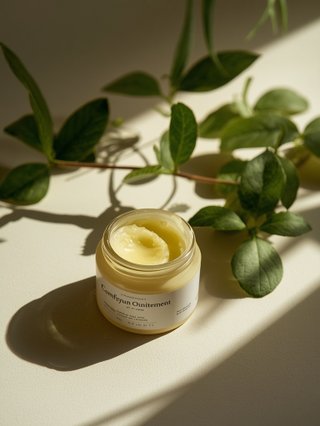
Is phytotherapy truly an effective therapy based on plant ingredients? Scientific evidence and clinical practice


Table of Contents 3
Medical & Editorial Disclaimer (§3 Terms): This article is for informational and educational purposes only, does not constitute medical advice, diagnosis, or treatment, and is used at your own risk. Consult a qualified physician for medical conditions.
The core insights of this field reveal how specific botanical molecules interact with human physiology, such as modulating gastrointestinal function or supporting metabolic health. Through advanced analytical methods like high-performance liquid chromatography, practitioners can now ensure consistent concentrations of active ingredients that target cellular pathways with precision. These mechanisms include the antagonism of calcium channels in smooth muscles to alleviate digestive discomfort and the use of genetic barcoding to guarantee the purity of medicinal plant species, effectively elevating herbal preparations to the level of evidence-based therapeutics.
Practical application of phytotherapy requires a balanced perspective on safety and efficacy, particularly regarding potential herb-drug interactions. It is vital to recognize that certain potent botanicals can influence hepatic enzymes responsible for drug metabolism, which may alter the effectiveness of conventional treatments. To achieve the best outcomes, individuals should prioritize standardized extracts and maintain open communication with healthcare providers. By focusing on quality-controlled botanical options, one can safely harness the power of medicinal plants to support long-term health and complement a proactive, health-conscious lifestyle.
Phytotherapy, or evidence-based herbal medicine, is undergoing a profound renaissance in modern integrative healthcare. Utilizing cutting-edge analytical methodologies such as high-performance liquid chromatography (HPLC) and DNA barcoding, botanical preparations have evolved from folkloric remedies into rigorous, standardized pharmaceuticals with verified pharmacokinetic and pharmacodynamic profiles.
The Evolution of Herbal Medicine: From Folkloric Tradition to Evidence-Based Phytopharmacology
Historically, botanical therapies served as the cornerstone of medical therapeutics. Modern phytopharmacology diverges fundamentally from primitive herbal preparations through meticulous active-compound extraction. The advent of DNA barcoding facilitates precise genetic authentication across more than 23,000 medicinal plant species, effectively safeguarding extracts against adulteration with toxic botanical contaminants.
A critical paradigm of modern phytomedicine is standardized extract profiling (such as quantifying silymarin in milk thistle or ginkgo flavone glycosides in Ginkgo biloba). This standardization guarantees batch-to-batch pharmacokinetic consistency, reproducible bioavailability, and rigorous therapeutic dosing regimens.
Clinically Validated Applications: Gastrointestinal Disorders, Antimicrobial Defense, and Metabolic Health
Robust randomized controlled trials demonstrate significant therapeutic efficacy for specific standardized botanical extracts across several clinical domains:
- Small Intestinal Bacterial Overgrowth (SIBO) and IBS: Enteric-coated peppermint oil (menthol acting as a smooth-muscle calcium channel antagonist) and botanical formulations containing Artemisia absinthium exhibit efficacy comparable to targeted antibiotic regimens (rifaximin);
- Helicobacter pylori modulation: Sulforaphane derived from Brassica oleracea sprouts exerts potent bactericidal activity against clarithromycin-resistant strains;
- Respiratory tract infections: Standardized extracts of Pelargonium sidoides and Andrographis paniculata markedly accelerate resolution of acute bronchitis and relieve paroxysmal coughing fits.
Pharmacological Safety: Herb-Drug Interactions (Cytochrome P450) and Manufacturing Standards
The natural provenance of a botanical molecule does not inherently confer safety. The primary clinical concern in phytotherapy lies in pharmacokinetic interactions mediated by hepatic cytochrome P450 enzymes (notably the CYP3A4 isoform) and the P-glycoprotein efflux pump.
A classic example is St. John's Wort (Hypericum perforatum), a potent inducer of CYP3A4 that dramatically accelerates the clearance and diminishes plasma concentrations of immunosuppressants (cyclosporine), anticoagulants (warfarin), and oral contraceptives. Consequently, phytotherapeutic interventions must be coordinated under professional clinical supervision to prevent adverse pharmacodynamic conflicts.
Want to apply these guidelines in your daily diet?
Our smart diet generator creates a tailored meal plan in 3 minutes based on the recommendations in this article.
Tags

Kacper Nowak
• 23.10.2026Diets Premium Expert
Diets Premium team expert. Specializes in nutrition plans, strength sports, and training plans.