Inflammation of the Connective Tissue in the Foot Sole Structure
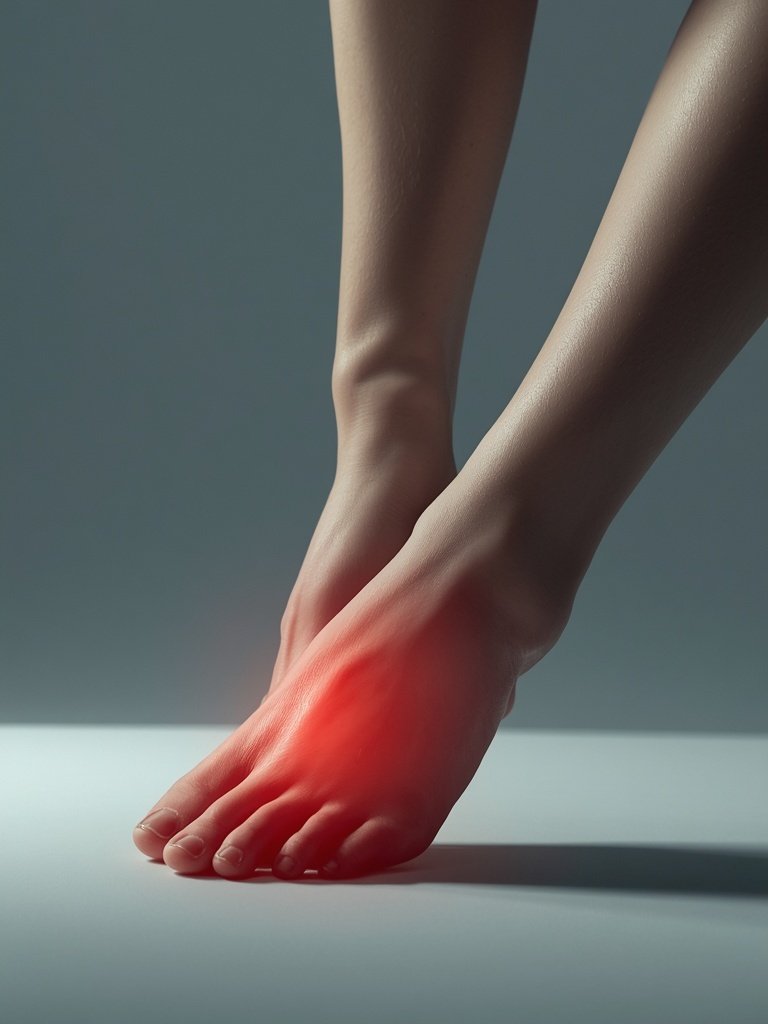
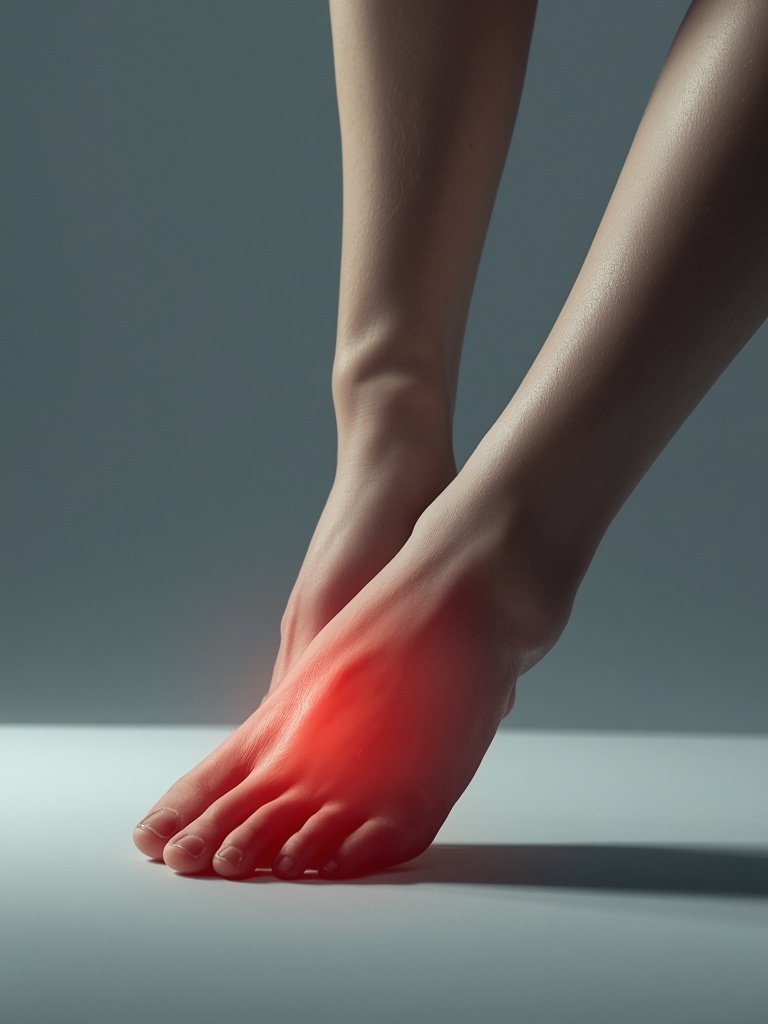
Table of Contents 3
Plantaris fasciopathy: Symptom patterns and diurnal variation in discomfort
Etiology and risk factors underlying plantar fasciitis: A comprehensive examination of causative elements
Plantar fasciitis, commonly referred to as heel spur syndrome, primarily arises due to chronic overuse or fatigue of the posterior tibial muscle, which plays a pivotal role in maintaining and reinforcing the physiological arch of the foot. This condition frequently presents as a secondary complication following prior mechanical injuries to the lower extremities, such as sprains, fractures, or microtrauma to soft tissues.
Furthermore, endocrinological disorders—particularly dysfunctions within the hypothalamus-pituitary-adrenal axis—represent a significant predisposing factor, as they influence connective tissue metabolism and regenerative processes. Excessive anaerobic physical activity, especially when performed without adequate cardiovascular conditioning or in the absence of balanced endurance training, substantially elevates the risk of developing this pathology. Additionally, improperly fitted footwear that fails to align with the foot’s biomechanics (e.g., using models designed for supinating feet in individuals with excessive pronation) can lead to abnormal load distribution and accelerate fascial degeneration.
Therapeutic interventions for musculoskeletal imbalances and rehabilitative strategies aimed at restoring biomechanical equilibrium and alleviating pain syndromes
Want to apply these guidelines in your daily diet?
Our smart diet generator creates a tailored meal plan in 3 minutes based on the recommendations in this article.
Tags

Sophia Williams
Diets Premium Expert
Diets Premium team expert. Specializes in nutrition plans, strength sports, and training plans.