Diverticulitis - Nutrition during diverticulitis


Table of Contents 2
Medical & Editorial Disclaimer (§3 Terms): This article is for informational and educational purposes only, does not constitute medical advice, diagnosis, or treatment, and is used at your own risk. Consult a qualified physician for medical conditions.
The article clarifies the clinical distinction between asymptomatic diverticulosis, which is frequently discovered incidentally without noticeable complaints, and acute diverticulitis, where infection or inflammation leads to pronounced discomfort such as lower left abdominal pain. From a physiological perspective, dietary management during asymptomatic phases focuses on dietary fiber, particularly insoluble fiber, which increases stool bulk, normalizes stool consistency, and stimulates healthy intestinal peristalsis. Conversely, during severe acute flare-ups accompanied by fever in weakened or elderly individuals, temporary bowel rest under medical supervision may be required.
For everyday preventive care during symptom-free periods, readers can support their digestive tract by gradually increasing fiber-rich foods while maintaining generous fluid intake to prevent constipation. Alongside mindful hydration and nutrition, incorporating regular physical activity, managing excess body weight, and abstaining from smoking and alcohol further contribute to healthy bowel motility. Anyone experiencing acute abdominal pain or signs of inflammation should seek professional medical evaluation to ensure appropriate clinical care.
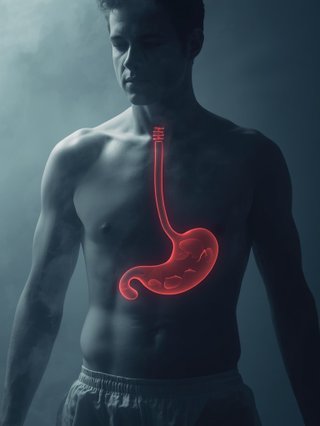
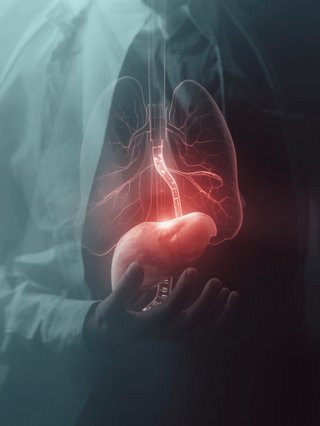
Diverticular inflammation of the intestines
Dietary Guidelines for Inflammatory Diverticular Conditions
Want to apply these guidelines in your daily diet?
Our smart diet generator creates a tailored meal plan in 3 minutes based on the recommendations in this article.
Tags

Alicja Kowalska
• 17.03.2026Diets Premium Expert
Diets Premium team expert. Specializes in nutrition plans, strength sports, and training plans.