Horseradish - root, leaves... Homemade horseradish recipes
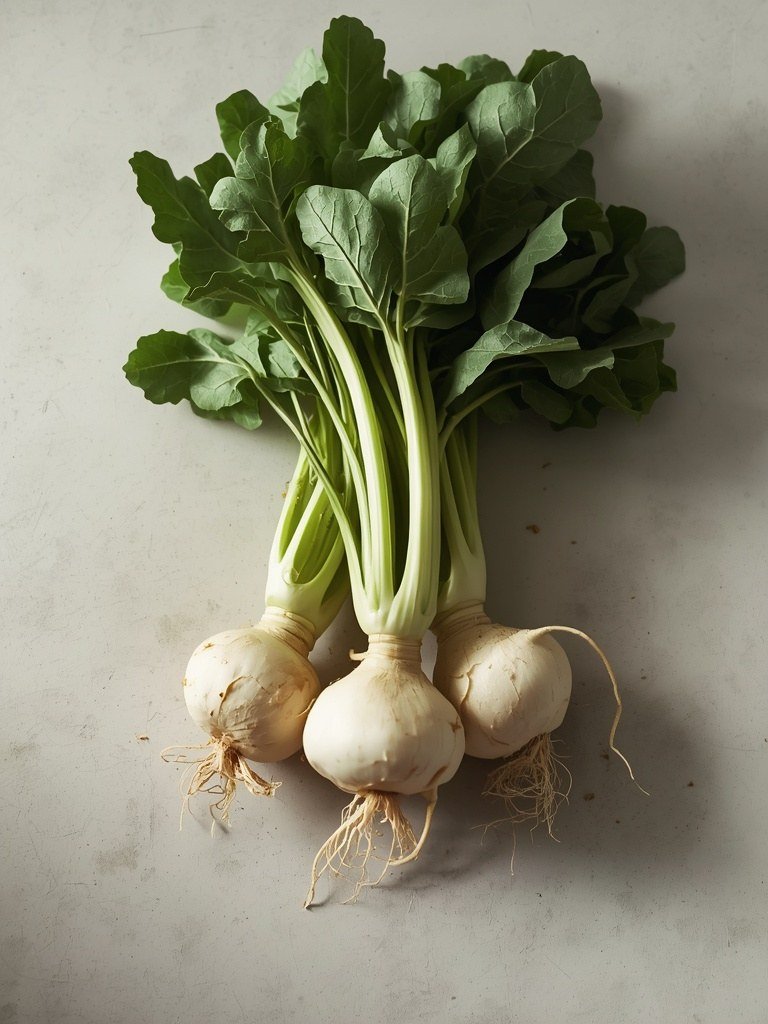
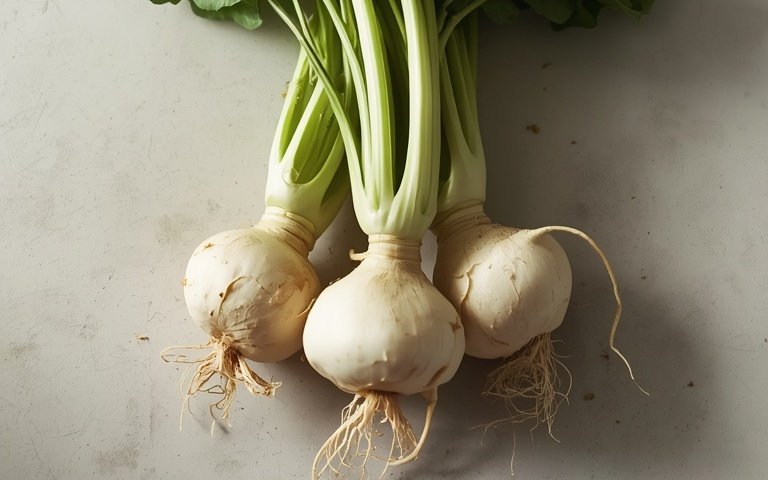
Table of Contents 3
Medical & Editorial Disclaimer (§3 Terms): This article is for informational and educational purposes only, does not constitute medical advice, diagnosis, or treatment, and is used at your own risk. Consult a qualified physician for medical conditions.
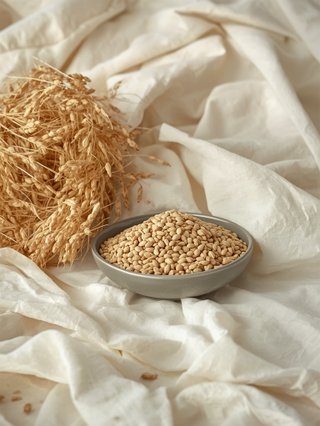
The health benefits of horseradish stem from its rich content of vitamin C, folic acid, potassium, calcium, magnesium, and zinc, alongside dietary fiber. This combination fortifies the immune system and contributes to its antibacterial and antiviral effects. The essential oils found in the root can also aid in alleviating headaches. Furthermore, young horseradish leaves are a source of vitamin C, beta-carotene, calcium, iron, and glucosinolates, which further bolster immunity and may offer protective actions.
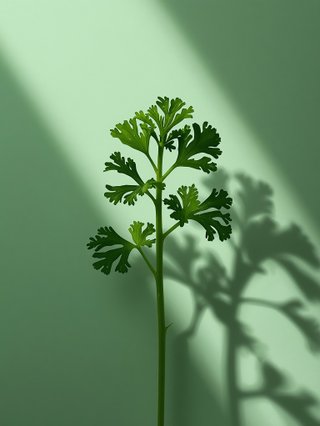
To best harness horseradish's advantages, the fresh root can be grated into salads or used as a pungent accompaniment. Young leaves are excellent raw in salads or prepared similarly to spinach. Dried leaves can serve as a flavorful ingredient in stews and marinades. Additionally, horseradish leaves are traditionally employed in food preservation, as their antimicrobial properties prevent spoilage and maintain firm texture. This versatile plant provides straightforward ways to enrich daily diets and naturally strengthen the immune system.
The root of the chrysanthemum
Letters of chrysanthemum
The use of chrysanthemum leaves
Want to apply these guidelines in your daily diet?
Our smart diet generator creates a tailored meal plan in 3 minutes based on the recommendations in this article.
Tags

mgr Tim Klein
• 24.09.2026Diets Premium Expert
Diets Premium team expert. Specializes in nutrition plans, strength sports, and training plans.