Nutrition Dietary Supplements 4 min read

Honeysuckle Berry – Varieties, Properties, Preserves… Honeysuckle Berry Liqueur
Honeysuckle Berry – Varieties, Properties, Preserves… Honeysuckle Berry Liqueur
1 photo
763
Smart Voice AI
0:00
0:00
Listen to the article content live
Table of Contents 4
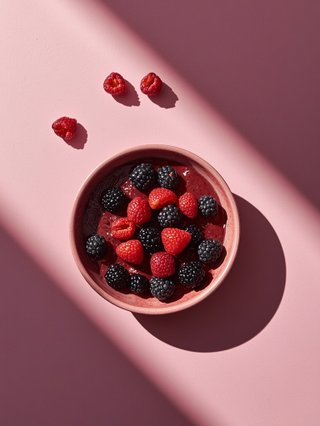
Chamomile yogurt is a rich source of polyphenols and vitamin C. Please read the article What health benefits does it bring to our daily meals? In what form is it advisable to consume it?
01 / 04

Kamchatka berry (Lonicera caerulea): Botanical characteristics, cold-hardy cultivation, and historical medicinal applications of the edible honeysuckle shrub

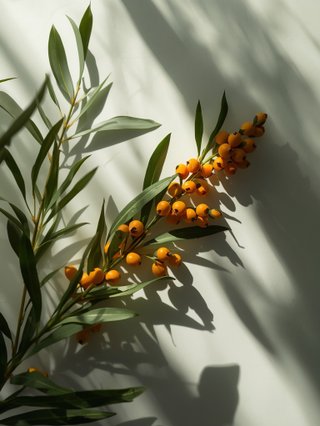
The Kamchatka berry, scientifically designated as Lonicera caerulea and colloquially referred to as "honeyberry" or "blue honeysuckle," represents a deciduous shrub belonging to the honeysuckle family (Caprifoliaceae). Its native distribution spans the northern hemisphere’s vast expanse, encompassing approximately 180 distinct species—from East Asian territories including Japan, China, and the Russian Far East, across the European continent with its cold Scandinavian regions, to the remote northernmost reaches of North America, such as Alaska and the Canadian territories. While it thrives optimally in temperate climatic zones, the plant exhibits remarkable cold hardiness, with tissue survival documented at temperatures as low as –48°C without sustained damage to vegetative growth.

Morphologically, the shrub displays a variable stature ranging from 0.8 to 3 meters in height. Its root system imposes minimal edaphic demands, flourishing in slightly acidic to neutral soils (pH 5–7), whether sandy or loamy, without requiring intensive fertilization regimens. With a lifespan extending up to three decades and negligible susceptibility to fungal, viral, or insect-borne pathogens, the Kamchatka berry emerges as an exceptionally low-maintenance cultivar. Fruit production commences as early as the year following transplantation, with peak harvests occurring in late spring (May–June); by the third growing season, individual specimens may yield approximately 0.5 kg of berries, though precise output varies according to the specific cultivar.

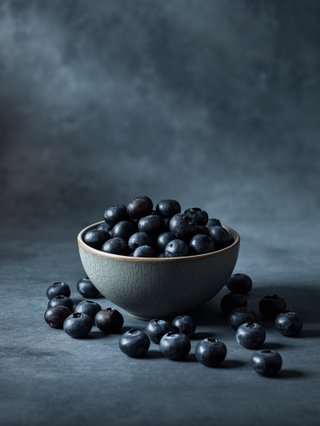
Historical records trace the cultivation of Lonicera caerulea back to 1894, primarily due to its extensive applications in traditional folk medicine. All parts of the plant—including the berries, leaves, flowers, and young shoots—served as valuable phytotherapeutic resources for addressing lymphatic edema, upper respiratory infections, ocular inflammations, general debility, hypertension, iron-deficiency anemia, glaucoma, and even malaria. The fruits themselves are elongated, cylindrical drupes exhibiting a deep indigo to violet-black hue, coated with a distinctive waxy bloom; their length ranges from 1.5 to 3 cm, with numerous small seeds embedded within the pulp. Among the Lonicera genus, only L. kamtschatica and L. edulis produce edible berries characterized by a juicy, sweet-tart flavor profile reminiscent of the highbush blueberry (Vaccinium corymbosum). Cultivated varieties are suited for both large-scale agricultural plantations and domestic garden settings. In contrast, species such as L. altaica yield fruits marked by a pronounced astringency and perceptible bitterness.

02 / 04

Varieties of Kamchatka berry: Nutritional profiles and key traits of Poland’s most cultivated shrubs

Among the cultivars of Kamchatka berry (*Lonicera caerulea* var. *edulis*) cultivated in Poland, several stand out due to their exceptional agronomic performance and nutritional density. The most widely selected varieties include: **‘Warszawa’** – renowned for its remarkably high yield and substantial fruit mass; **‘Wojtek’** – an early-maturing cultivar with harvests occurring in the first ten days of June; **‘Zielona’** – also an early variety (first June decade), distinguished by its unparalleled ascorbic acid content (up to 55 mg per 100 g of pulp) and elevated concentrations of bioactive extracts; **‘Czarna’** – sharing a similar ripening period but producing large, firm berries with minimal pre-harvest drop; **‘Brązowa Atut’** (alternatively referred to as **‘Czelabińska’** or **‘Czelabinka’**) – containing a moderate yet consistent level of vitamin C (25 mg/100 g); alongside **‘Duet’**, **‘Dlinnopłodna’**, and **‘Wołoszebnica’** – varieties prized for their extended fruiting season and resilience to adverse climatic conditions.
03 / 04

Health properties of Honeysuckle berry (*Lonicera caerulea*): Bioactive compound analysis and clinical potential

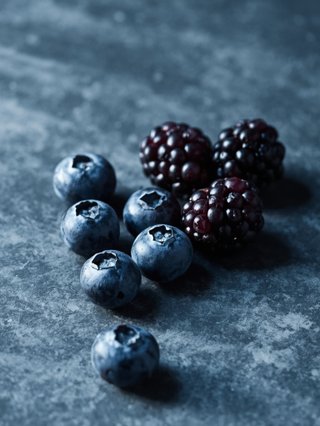
The Honeysuckle berry (*Lonicera caerulea* L.), commonly referred to as Kamchatka berry or blue honeysuckle, is distinguished by its high concentration of polyphenolic compounds—particularly anthocyanins localized in the deep blue fruit skin—which exhibit robust antioxidant activity. Gallic acid present in the berries (ranging from 140.5 to 1142 mg per 100 g) demonstrates anti-inflammatory, antimicrobial, and potential chemopreventive properties, which may contribute to reducing the risk of coronary artery disease. The vitamin C content (between 30.5 and 186.6 mg of ascorbic acid per 100 g of fresh fruit) and other phenolic compounds fluctuate depending on ripeness and storage conditions—less mature fruits contain higher vitamin C levels, whereas fully ripe berries are richer in polyphenols. Additionally, the Kamchatka berry provides B vitamins, magnesium, phosphorus, potassium, and calcium, making it a valuable dietary component for both the prevention and adjunctive treatment of various health conditions.
04 / 04

Honeyberry (Haskap) Preserves – Artisanal Recipes and Nutritional Benefits

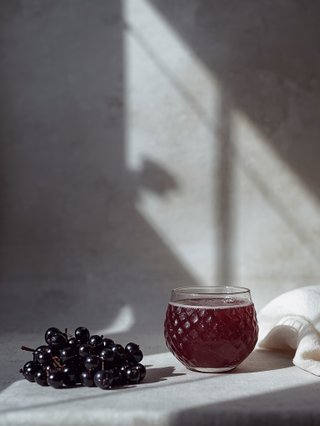
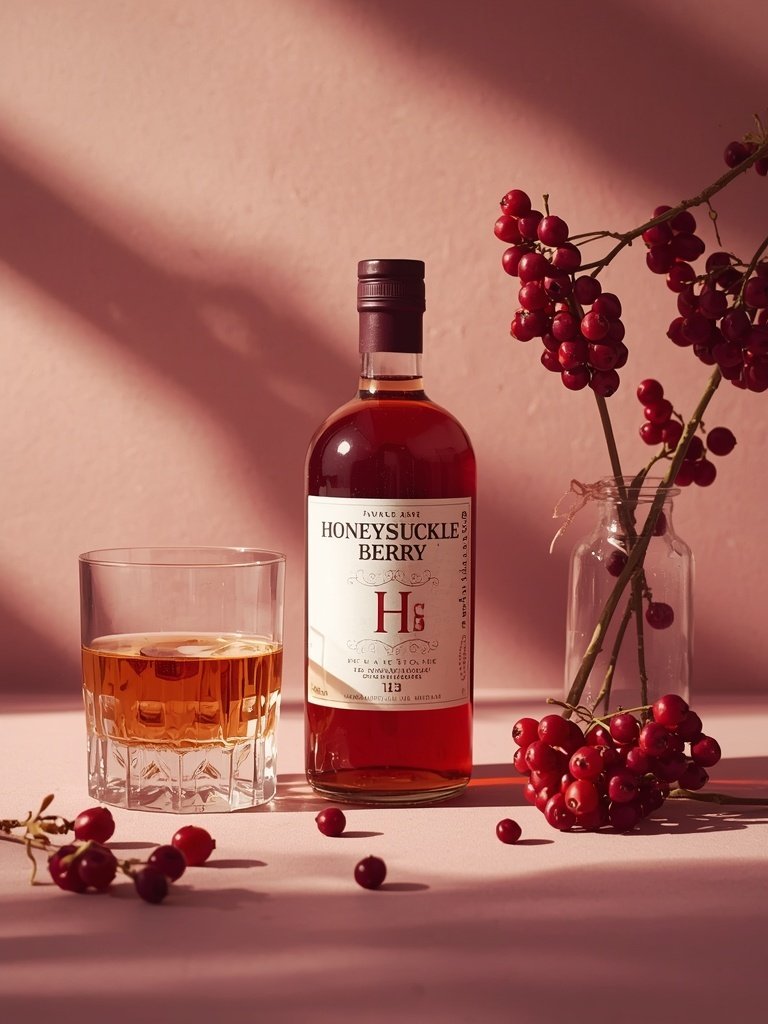
The honeyberry, scientifically known as *Lonicera caerulea* and commonly referred to as haskap, delivers its peak flavor and nutritional density when consumed fresh, yet its distinctive biochemical profile makes it exceptionally well-suited for a wide array of homemade preserves. These include nutrient-retentive frozen preparations, densely textured jams with pronounced fruit intensity, velvety-smooth purées, invigorating juices, and complexly layered liqueurs characterized by deep, berry-forward notes. Empirical research demonstrates that the extraction yield of anthocyanins—potent polyphenolic pigments with antioxidant properties—is substantially enhanced when dried honeyberries undergo maceration in 96% ethanol supplemented with a hydrochloric acid–acidified extract. Notably, despite the concentrated processing method, the final liqueur retains a lower anthocyanin content relative to freshly pressed juice from the same fruit batch. Below is a meticulously detailed recipe for crafting a small-batch honeyberry liqueur, specifying precise ingredient ratios and the requisite aging period to achieve optimal flavor maturation and aromatic depth.
Meal Plan

Want to apply these guidelines in your daily diet?

Our smart diet generator creates a tailored meal plan in 3 minutes based on the recommendations in this article.

mgr Literatura:
Kula M., Krauze – Baranowska M.: Jagoda kamczacka (
Lonicera caerulea
L.) –
aktualny stan badań fitochemicznych i aktywności biologicznej. Borgis – Postępy Fitoterapii 2/2016, s. 111-118
Ochmian I., Grajkowski J.: Wzrost i plonowanie trzech odmian jagody kamczackiej (
Lonicera Caerulea
) na Pomorzu Zachodnim w pierwszych latach po posadzeniu. Roczniki Akademii Rolniczej w Poznaniu – CCCLXXXIII (2007), Ogrodnictwo. 41, str.  351-355
Szot I., Lipa T., Kozłowska B.: Jagoda kamczacka – właściwości prozdrowotne owoców i możliwość ich zastosowania. Żywność. Nauka. Technologia. Jakość, 2014, 4 (95), str. 18 – 29
Ochmian I., Grajkowski J., Skupień K.: Plonowanie, skład chemiczny oraz jędrność owoców w warunkach przechowywania “shelf-life” oraz chłodniczych trzech odmian jagody kamczackiej (
Lonicera caerulea
) J. Fruit Ornam. Plant Res. vol. 16, 2008: str. 83-9
Scientifically reviewed by a clinical dietitian • 25.09.2026

mgr Literatura: Kula M., Krauze – Baranowska M.: Jagoda kamczacka ( Lonicera caerulea L.) – aktualny stan badań fitochemicznych i aktywności biologicznej. Borgis – Postępy Fitoterapii 2/2016, s. 111-118 Ochmian I., Grajkowski J.: Wzrost i plonowanie trzech odmian jagody kamczackiej ( Lonicera Caerulea ) na Pomorzu Zachodnim w pierwszych latach po posadzeniu. Roczniki Akademii Rolniczej w Poznaniu – CCCLXXXIII (2007), Ogrodnictwo. 41, str.  351-355 Szot I., Lipa T., Kozłowska B.: Jagoda kamczacka – właściwości prozdrowotne owoców i możliwość ich zastosowania. Żywność. Nauka. Technologia. Jakość, 2014, 4 (95), str. 18 – 29 Ochmian I., Grajkowski J., Skupień K.: Plonowanie, skład chemiczny oraz jędrność owoców w warunkach przechowywania “shelf-life” oraz chłodniczych trzech odmian jagody kamczackiej ( Lonicera caerulea ) J. Fruit Ornam. Plant Res. vol. 16, 2008: str. 83-9

Diets Premium Expert

Diets Premium team expert. Specializes in nutrition plans, strength sports, and training plans.

USDA FoodData Central EFSA PubMed Clinical Guidelines
Loading
Recommended articles in this category

Related Articles

Discover similar publications and expert insights.

Wild berries and bilberries – health-promoting properties and comprehensive applications in diet and natural medicine
Food & Ingredients

Wild berries and bilberries – health-promoting properties and comprehensive applications in diet and natural medicine

⏱ 3 min czytania 📚 Food & Ingredients
#Bioactive Compounds #Natural Pigments
Comparison of Açaí Berries with Goji Berries – Discover the Differences
Nutrition

Comparison of Açaí Berries with Goji Berries – Discover the Differences

⏱ 3 min czytania 📚 Nutrition
#Health Benefits #Cooking
Açaí Berries. Unanimous Scientific Consensus
Healthy Lifestyle

Açaí Berries. Unanimous Scientific Consensus

⏱ 3 min czytania 📚 Healthy Lifestyle
#Polyphenols #Antioxidant
Black Beans and Berries for Ulcer Support: How Polyphenols Protect Gastric Health
Antioxidants

Black Beans and Berries for Ulcer Support: How Polyphenols Protect Gastric Health

⏱ 1 min czytania
#Antioxidants #Polyphenols
Berry Beverage – Benefits.. Is it possible to prepare a berry beverage without having juice?
Strawberries

Berry Beverage – Benefits.. Is it possible to prepare a berry beverage without having juice?

⏱ 4 min czytania
#Strawberries #Antioxidant
Strawberries – Nutritional Value, Health-Promoting Properties, and Clinical Dietary Applications
Fruits

Strawberries – Nutritional Value, Health-Promoting Properties, and Clinical Dietary Applications

⏱ 2 min czytania 📚 Fruits
#Fruit-based Desserts #Seasonal Produce
Local Berries
High Fiber

Local Berries

⏱ 2 min czytania
#High Fiber #Dietary Fiber
15 Exceptional Qualities of Açaí Berries – Power Lies in Nature
Nutrition

15 Exceptional Qualities of Açaí Berries – Power Lies in Nature

⏱ 5 min czytania
#Nutrition #Strength
Dog Rose – Properties and Uses
Polyphenols

Dog Rose – Properties and Uses

⏱ 2 min czytania
#Polyphenols #Vitamin B9
Carrots: a comprehensive guide to cultivar diversity, nutritional composition, and health-promoting attributes
Vegetables

Carrots: a comprehensive guide to cultivar diversity, nutritional composition, and health-promoting attributes

⏱ 5 min czytania 📚 Vegetables
#Nutritional Requirements #Nutritional Composition
Acerola – Properties, Vitamin C, Juice
Vitamin C

Acerola – Properties, Vitamin C, Juice

⏱ 4 min czytania
#Vitamin C #Berries
How living bacterial cultures function and their applications
Fermented Foods

How living bacterial cultures function and their applications

⏱ 5 min czytania
#Fermented Foods #Health Benefits
Dehydrated cranberry – characteristics, calories, price... How to dehydrate cranberries?
Health Benefits

Dehydrated cranberry – characteristics, calories, price... How to dehydrate cranberries?

⏱ 4 min czytania
#Health Benefits #Nutritional Content
Red Bell Pepper – Nutritional Composition, Bioactive Compounds, Caloric Profile, and Culinary Benefits
Food & Ingredients

Red Bell Pepper – Nutritional Composition, Bioactive Compounds, Caloric Profile, and Culinary Benefits

⏱ 2 min czytania 📚 Food & Ingredients
#Nutritional Composition #Bioactive Compounds
The nutritional and therapeutic potential of berry fruits: distinguishing American blueberries from wild blueberries and blackberries in health promotion
Food & Ingredients

The nutritional and therapeutic potential of berry fruits: distinguishing American blueberries from wild blueberries and blackberries in health promotion

⏱ 3 min czytania 📚 Food & Ingredients
#Cognitive Function #Health Benefits
Camu Camu Fruit (<i>Myrciaria dubia</i>) – Properties and Applications
Nutrition

Camu Camu Fruit (<i>Myrciaria dubia</i>) – Properties and Applications

⏱ 3 min czytania 📚 Nutrition
#Vitamin C #Fruit
Pumpkin
Nutrition

Pumpkin

⏱ 2 min czytania 📚 Nutrition
#Carotenoids #Vitamin C
Quercetin: Flavonoid Biochemistry, Senolytic Activity, Mast Cell Stabilization, and Market Analysis
Nutritional Science

Quercetin: Flavonoid Biochemistry, Senolytic Activity, Mast Cell Stabilization, and Market Analysis

⏱ 4 min czytania 📚 Nutritional Science
#Health Benefits Of Berries #Plant-Based Foods
What are polyphenols?
Health

What are polyphenols?

⏱ 7 min czytania 📚 Health
#Polyphenols
"Greek" natural yogurt that is not from Greece
Health

"Greek" natural yogurt that is not from Greece

⏱ 2 min czytania 📚 Health
#Natural Yogurt #Yogurt
5 Reasons to Add Yogurt and Kefir to Your Diet
Health

5 Reasons to Add Yogurt and Kefir to Your Diet

⏱ 1 min czytania 📚 Health
#Yogurt #Kefir
Natural yogurt 2% with increased digestibility
Health

Natural yogurt 2% with increased digestibility

⏱ 3 min czytania 📚 Health
#Lactose Intolerance #Natural Yogurt
Cardoons - use and health properties of liver-supporting vegetables
Health

Cardoons - use and health properties of liver-supporting vegetables

⏱ 2 min czytania 📚 Health
#Health Benefits #Vitamin C
Blackcurrant: Health Benefits, Leaves, and Blackcurrant Seed Oil
Health Benefits

Blackcurrant: Health Benefits, Leaves, and Blackcurrant Seed Oil

⏱ 4 min czytania
#Health Benefits #Berries
Bird Cherry (Prunus padus): Health Benefits, Herbal Uses, and Fruit Preserves
Health Benefits

Bird Cherry (Prunus padus): Health Benefits, Herbal Uses, and Fruit Preserves

⏱ 3 min czytania
#Health Benefits #Phytotherapy
Red Currant (Ribes rubrum): Cultivars, Health Benefits, and Processing Methods
Health Benefits

Red Currant (Ribes rubrum): Cultivars, Health Benefits, and Processing Methods

⏱ 3 min czytania
#Health Benefits #Strawberries
Homemade Blackcurrant Preserves: Artisanal Recipes for Jams, Syrups, Traditional Tinctures, and Fruit Wines
Nutritional Properties

Homemade Blackcurrant Preserves: Artisanal Recipes for Jams, Syrups, Traditional Tinctures, and Fruit Wines

⏱ 5 min czytania
#Nutritional Properties #Alcoholic Beverages
Culinary Compositions with Acai Berries: Nutritional Profile, Health Benefits, and Practical Recipes
Health Benefits

Culinary Compositions with Acai Berries: Nutritional Profile, Health Benefits, and Practical Recipes

⏱ 2 min czytania
#Health Benefits #Macronutrients
Chinese Citrus (Schisandra chinensis)
Health Benefits Of Blueberries

Chinese Citrus (Schisandra chinensis)

⏱ 3 min czytania
#Health Benefits Of Blueberries #Health Benefits
Rowanberry instead of goji berries - Polish alternatives for so-called superfoods
Fruits

Rowanberry instead of goji berries - Polish alternatives for so-called superfoods

⏱ 2 min czytania 📚 Fruits
#Healthy Lifestyle #Immune System
For Trainees

Latest Diets

Discover other diet plans with similar goals and nutrients.

Share