Homemade oat milk: nutritional properties, chemical composition, and a practical guide to making the plant-based drink yourself
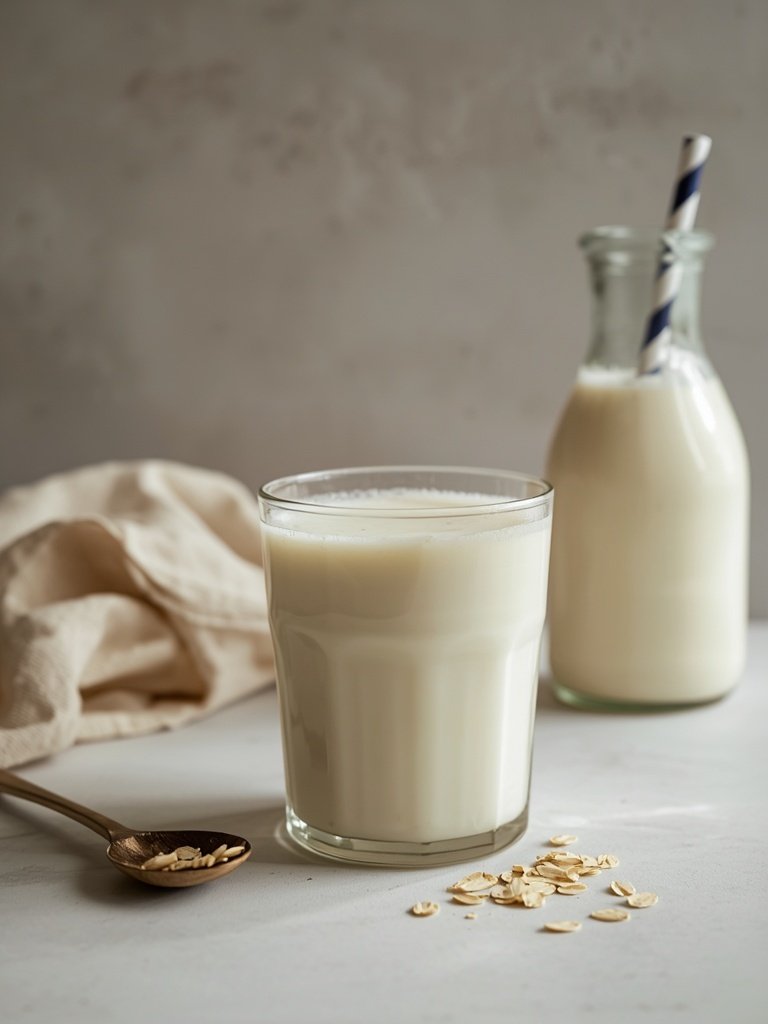
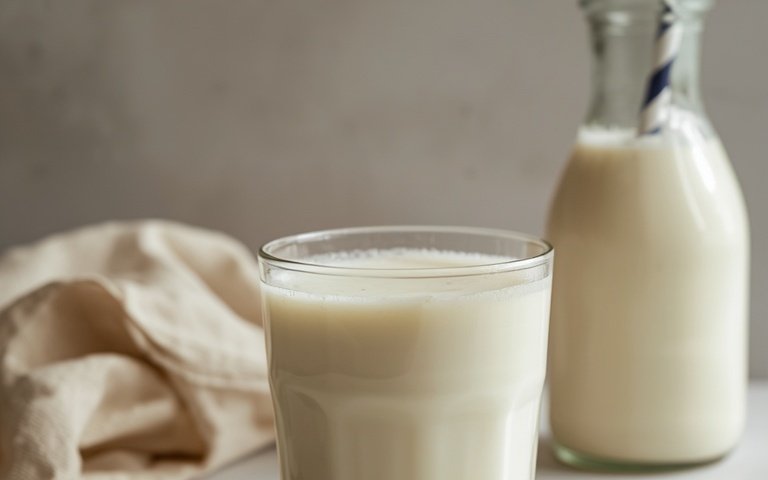
Table of Contents 3
Medical & Editorial Disclaimer (§3 Terms): This article is for informational and educational purposes only, does not constitute medical advice, diagnosis, or treatment, and is used at your own risk. Consult a qualified physician for medical conditions.
From a physiological standpoint, oat milk is a rich source of B-group vitamins and essential minerals such as iron, magnesium, and potassium. The presence of soluble dietary fiber is particularly noteworthy, as it aids in maintaining healthy digestive functions and supports a balanced gut environment. The chemical composition of oats provides a natural creaminess and a mild flavor profile, delivering nutrients that contribute to overall metabolic well-being without the saturated fats typically found in animal-based dairy products.
Incorporating this drink into a daily routine is straightforward, requiring only oats and water to produce a fresh, nutrient-dense liquid. For optimal results, soaking the grains enhances nutrient bioavailability and ensures a smoother texture after blending and straining. Users should store the finished beverage in a cool environment and give it a gentle shake before serving to reintegrate the natural sediment, allowing for a versatile and wholesome addition to various culinary applications.
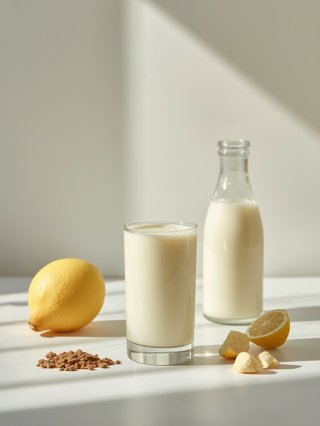
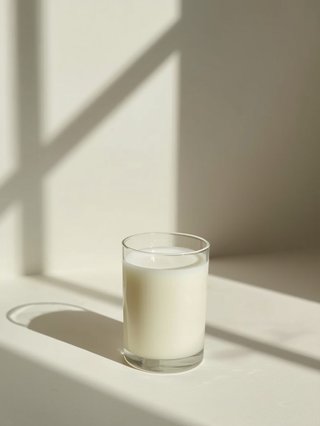
Oat milk
The properties of oat milk
How do you make oat milk?
Want to apply these guidelines in your daily diet?
Our smart diet generator creates a tailored meal plan in 3 minutes based on the recommendations in this article.
Tags

mgr Tim Klein
• 24.09.2026Diets Premium Expert
Diets Premium team expert. Specializes in nutrition plans, strength sports, and training plans.