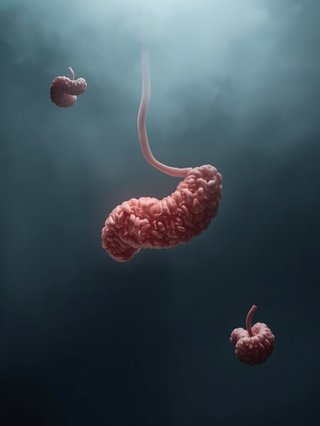
Helicobacter pylori – treatment and the use of medicinal plants


Table of Contents 3
Medical & Editorial Disclaimer (§3 Terms): This article is for informational and educational purposes only, does not constitute medical advice, diagnosis, or treatment, and is used at your own risk. Consult a qualified physician for medical conditions.
Pathogen colonization within the human digestive tract initiates distinct physiological and clinical reactions that researchers have studied for over a century. Botanical remedies contain rich arrays of bioactive constituents, including polyphenols, glycosides, and essential oils, which demonstrate significant antimicrobial properties in laboratory and clinical settings. Integrating these herbal preparations may assist in modulating the gastric environment and supporting the efficacy of standard pharmacological treatments.
Practical implementation requires a cautious, medically supervised approach where professional diagnosis always precedes any therapeutic intervention. Patients should combine prescribed eradication protocols with tailored dietary adjustments and soothing herbal infusions designed to protect the gastric mucosa. Embracing these evidence-based lifestyle and nutritional habits contributes to lasting digestive wellness and overall physical resilience.
Colonization of the gastrointestinal tract by *Helicobacter pylori* – epidemiology, transmission pathways, and clinical implications
Helicobacter pylori – eradication treatment standards and dietary support
Herbal support in *Helicobacter pylori* infection treatment: How botanical compounds may complement conventional pharmacological therapy
Want to apply these guidelines in your daily diet?
Our smart diet generator creates a tailored meal plan in 3 minutes based on the recommendations in this article.

mgr Mateusz Pawlak
• 25.09.2026Diets Premium Expert
Diets Premium team expert. Specializes in nutrition plans, strength sports, and training plans.