Spanish sage seeds – health restrictions and potential side effects of consumption
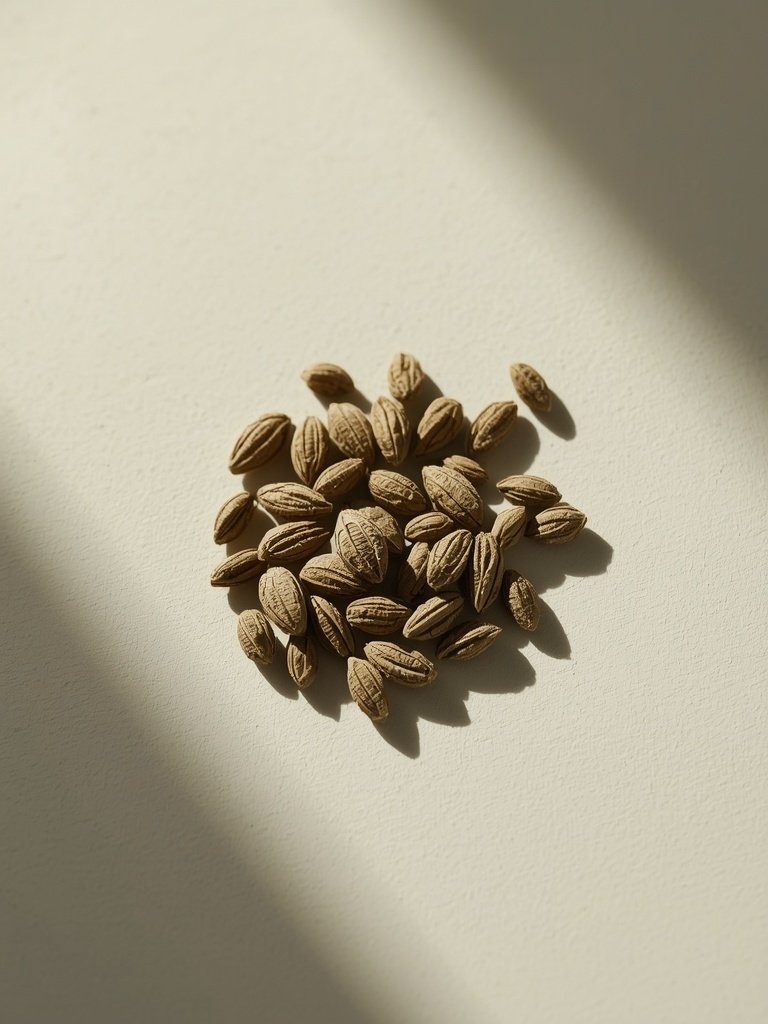
Table of Contents 3
Medical & Editorial Disclaimer (§3 Terms): This article is for informational and educational purposes only, does not constitute medical advice, diagnosis, or treatment, and is used at your own risk. Consult a qualified physician for medical conditions.
A primary physiological concern stems from the exceptional hydrophilic nature of these seeds, which absorb vast amounts of fluid to form a thick polysaccharide hydrogel. Ingesting dry seeds without adequate fluid can lead to sudden gelatinous expansion in the esophagus, potentially causing severe luminal blockage that requires urgent clinical intervention. Furthermore, the fatty acid profile can inhibit platelet aggregation, potentially enhancing the blood-thinning effects of anticoagulant medications and interacting with antihypertensive therapies. Rapidly increasing fiber intake without proper digestive adaptation can likewise cause abdominal cramping, gas, and paradoxically worsened constipation.
To ensure safe usage, seeds should always be properly pre-hydrated in liquid prior to consumption, allowing the hydrogel to form outside the body. Maintaining abundant daily fluid intake is equally critical when consuming fiber-rich plant foods. Individuals undergoing long-term therapy with blood thinners or blood pressure medications should consult their healthcare provider to ensure that adding chia seeds to their routine aligns safely with their personal medical profile.
Chia seeds (Salvia hispanica) enjoy widespread recognition as a functional superfood due to their dense concentrations of alpha-linolenic acid (ALA) and dietary fiber. Despite documented metabolic merits, inappropriate ingestion or excessive dosage introduces noteworthy clinical restrictions, pharmacodynamic interactions, and mechanical risks along the digestive tract.
Hydrophilic Expansion and the Risk of Esophageal Impaction
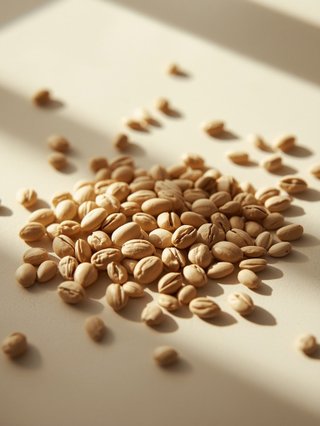
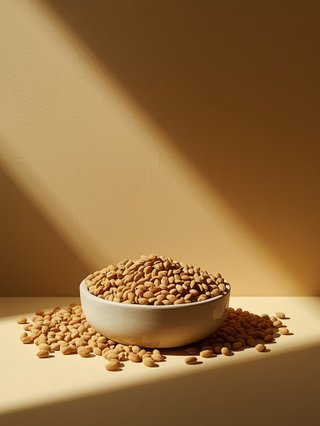
Chia seeds exhibit exceptional hydrophilicity, absorbing 10 to 12 times their dry mass in water to generate a tenacious polysaccharide hydrogel. Ingesting unhydrated seeds followed by inadequate fluid intake presents a hazardous risk of sudden intraluminal swelling within the esophagus.
- Documented esophageal impaction: Clinical literature reports severe cases of esophageal obstruction caused by gelatinous chia bezoars, necessitating urgent endoscopic extraction.
- Pre-hydration mandate: Seeds should invariably be soaked in liquid (water, plant milk, or yogurt) for at least 15–30 minutes prior to consumption, ensuring complete swelling precedes ingestion.
Pharmacodynamic Drug Interactions: Anticoagulants, Antihypertensives, and Hypoglycemics
The elevated concentration of omega-3 polyunsaturated fatty acids in chia seeds modulates thrombocyte aggregation and prostaglandin cascades:
- Anticoagulant and antiplatelet drugs: Chia may potentiate the hypocoagulant effects of warfarin, aspirin, and direct oral anticoagulants (DOACs), elevating bleeding diathesis.
- Antihypertensive agents: Because chia components exert mild vasodilatory and blood-pressure-lowering effects, concomitant use with antihypertensive drugs necessitates regular blood pressure checks.
- Oral hypoglycemics and insulin: High viscous fiber intake retards carbohydrate absorption, occasionally precipitating unexpected hypoglycemia if pharmaceutical regimens are unadjusted.
EFSA Safety Thresholds and Prevention of Gastrointestinal Distress
The European Food Safety Authority (EFSA) rigorously reviewed the safety profile of chia seeds, publishing defined daily threshold standards for the general populace.
- Recommended upper intake: The documented safe intake limit for adults is established at 15 g per day (approx. 1 to 1.5 level tablespoons).
- Dyspeptic complications: Abrupt introduction of excessive fiber without progressive microbial adaptation precipitates abdominal cramping, meteorism, and paradoxical constipation under deficient hydration.
- Diverticular and inflammatory conditions: In patients with diverticulosis or active mucosal ulceration, intact small seeds may provoke localized micro-irritation.
Want to apply these guidelines in your daily diet?
Our smart diet generator creates a tailored meal plan in 3 minutes based on the recommendations in this article.
Tags

Kacper Nowak
• 25.11.2026Diets Premium Expert
Diets Premium team expert. Specializes in nutrition plans, strength sports, and training plans.