Health Components: Flavonoids, Isoflavonoids, and Anthocyanins

Smart Voice
AITable of Contents 4
Plant-derived bioactive polyphenols: flavonoids and their multifaceted health-promoting mechanisms
Flavones: Polyphenolic phytochemicals with antioxidant and cell-signaling regulatory functions
Structurally distinct isoflavonoid-derived phytochemicals with bioactive properties
Plant-derived anthocyanin pigments: biochemical characteristics, dietary sources, and expanding applications in food processing, pharmaceuticals, and cosmeceuticals
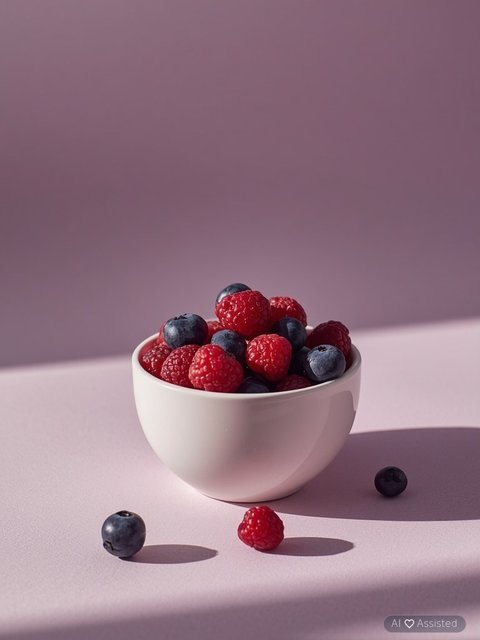
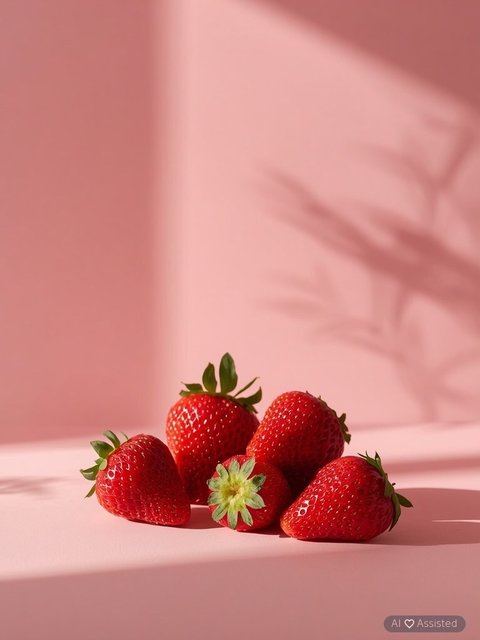
Anthocyanins constitute a class of water-soluble flavonoid glycosides that serve as primary determinants of vivid pigmentation in plant tissues, ranging from deep red to purple and bluish hues. The most extensively characterized members of this group include cyanidin-3-glucoside, delphinidin-3-glucoside, malvidin-3-glucoside, pelargonidin-3-glucoside, and peonidin-3-glucoside, whose structural heterogeneity underpins both their optical properties and biological activities. These secondary bioactive metabolites are predominantly localized in the epidermal layers and pulp of berry fruits—such as cranberries (Vaccinium macrocarpon), blackcurrants (Ribes nigrum), red grapes (Vitis vinifera), raspberries (Rubus idaeus), strawberries (Fragaria × ananassa), blueberries (Vaccinium corymbosum), and blackberries (Rubus fruticosus)—as well as in certain nuts and vegetables.
Their remarkable thermal stability and pH-dependent chromatic shifts (exhibiting red hues in acidic environments while transitioning to purple and blue under neutral or alkaline conditions) render them highly versatile for industrial applications. Within the food sector, they serve as natural alternatives to synthetic dyes (designated E 163 in the EU), whereas the pharmaceutical industry leverages their well-documented antioxidant, anti-inflammatory, and putative neuroprotective effects. Over the past decade, there has been an exponential increase in peer-reviewed publications dedicated to flavonoids, reflecting heightened scientific and commercial interest in their multifaceted health benefits. Ongoing clinical trials are currently evaluating their efficacy in mitigating chronic diseases, including type 2 diabetes mellitus, atherosclerosis, and neurodegenerative disorders such as Alzheimer’s and Parkinson’s diseases. Concurrently, the cosmeceutical industry has begun incorporating anthocyanin-rich extracts into anti-aging formulations, capitalizing on their capacity to scavenge reactive oxygen species and promote collagen biosynthesis in dermal layers.
Comprehensive systematic reviews and meta-analyses corroborate that sustained consumption of anthocyanin-rich foods correlates with statistically significant reductions in oxidative stress biomarkers and improvements in serum lipid profiles. These findings establish a robust evidentiary foundation for translational research aimed at developing novel dietary supplements and functional foods fortified with standardized anthocyanin extracts. Looking ahead, the integration of these compounds with advanced encapsulation technologies may further enhance their bioavailability and shelf-life stability in processed products, thereby expanding their potential in precision nutrition and personalized healthcare interventions.
Want to apply these guidelines in your daily diet?
Our smart diet generator creates a tailored meal plan in 3 minutes based on the recommendations in this article.

Literatura: Burak M & Imen Y (1999) Flavonoids and their antioxidant properties. Turkiye Klin Tip Bil Derg 19, 296–304. Ovando C, Hernandez D, Hernandez E, et al. (2009) Chemical studies of anthocyanins: a review. Food Chem 113, 859–871. Iwashina T (2013) Flavonoid properties of five families newly incorporated into the order Caryophyllales (Review). Bull Natl Mus Nat Sci 39, 25–51. Matthies A, Clavel T, Gütschow M, et al. (2008) Conversion of daidzein and genistein by an anaerobic bacterium newly isolated from the mouse intestine. Appl Envrion Microbiol 74, 4847–4852. Justesen U & Knuthsen P (2001) Composition of flavonoids in fresh herbs and calculation of flavonoid intake by use of herbs in traditional Danish dishes. Food Chem 73, 245–250.
Diets Premium Expert
Diets Premium team expert. Specializes in nutrition plans, strength sports, and training plans.