Hazelnuts (filberts) – overview of varieties, nutritional values, and health benefits

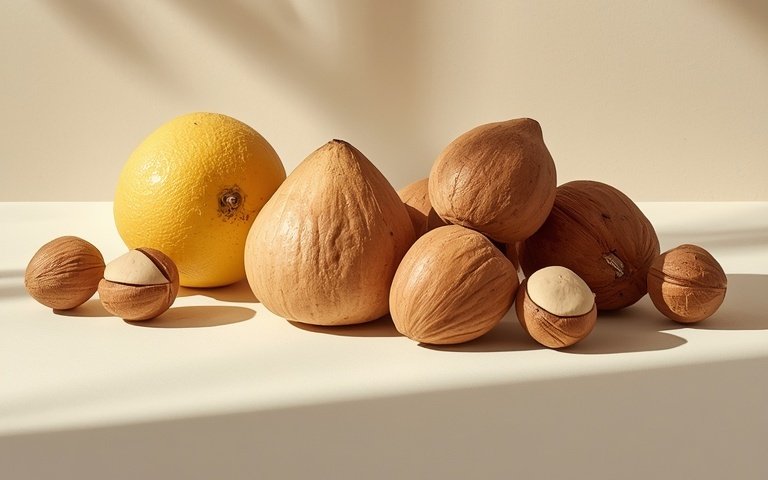
Table of Contents 3
Medical & Editorial Disclaimer (§3 Terms): This article is for informational and educational purposes only, does not constitute medical advice, diagnosis, or treatment, and is used at your own risk. Consult a qualified physician for medical conditions.
Physiologically, hazelnuts provide an abundance of monounsaturated oleic acid, vitamin E, and essential B-complex vitamins, which collectively contribute to optimal cardiovascular function and neurological support. These bioactive constituents help protect cellular membranes from oxidative stress and promote healthy lipid profiles. Distinct cultivars, ranging from large round-conical varieties to traditional selections, offer unique flavors while sharing the same fundamental health-promoting attributes.
Practical application involves careful storage in cool, dry, and well-ventilated environments, or refrigeration of shelled kernels to preserve freshness and prevent lipid degradation. In everyday culinary routines, hazelnuts enhance the texture and flavor of whole-grain dishes, breakfast cereals, fresh salads, and pure nut butters without unnecessary additives. Incorporating them mindfully into daily nutrition offers a delicious way to support a balanced and wholesome lifestyle.
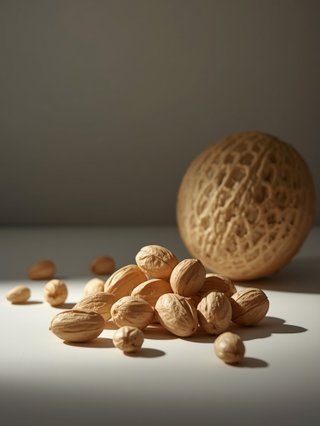
Hazelnuts—also known as filberts or cobnuts—are the nutrient-dense nuts produced by hazel shrubs and trees of the genus Corylus, primarily Corylus avellana and Corylus maxima. Across orchards and culinary markets, numerous cultivated varieties exist, differing significantly in kernel size, shell morphology, harvest window, and aromatic sweetness. Rich in monounsaturated oleic acid, vitamin E, B-complex vitamins, and trace minerals, hazelnuts rank among the most valuable functional foods for cardiovascular and neurological health.
Popular Hazelnut Cultivars and Their Botanical Characteristics
While wild common hazel (Corylus avellana) produces small, thick-shelled round nuts, cultivated orchard varieties (often hybrids involving the filbert Corylus maxima) yield large, thin-shelled, and richly flavored kernels:
- Catalan (Kataloński): A high-yielding cultivar producing large, rounded-conical nuts. The kernel fills the shell almost completely, offering a crisp, sweet, almond-like flavor; harvesting takes place in mid-to-late September.
- Cosford: An old English cultivar prized for its elongated, cylindrical nuts encased in a remarkably thin, easily cracked reddish-brown shell. Its kernels are exceptionally sweet and juicy, maturing in the second half of September.
- Hall’s Giant (Hallesche Riesen / Olbrzym z Halle): Originating in Halle, Germany, in the late 18th century, this hardy cultivar produces very large, golden-brown conical nuts with a sturdy shell and outstanding storage stability.
- Webb’s Prize Cob (Webba Cenny): A classic English variety bearing large, oblong nuts in clusters of three to six, noted for its tender, sweet flesh and high kernel-to-shell ratio.
- Red-Leaved Filbert (Warszawski Czerwony / Syrena): Distinguished by ornamental burgundy foliage and elongated nuts enclosed within a deeply fringed involucre (husk).
Nutritional Profile and Cardioprotective Compounds
Hazelnuts rank among the most micronutrient-dense tree nuts. A 100-gram serving provides approximately 628 to 640 kcal, 60–62 g of fat, 14–15 g of plant protein, 9–10 g of dietary fiber, and only 6–7 g of net carbohydrates (yielding a very low glycemic index of 15). Nearly 80% of the lipid fraction consists of monounsaturated oleic acid (omega-9), which actively lowers LDL cholesterol, prevents endothelial inflammation, and reduces cardiovascular disease risk.
Notably, hazelnuts boast the highest concentration of vitamin E (alpha-tocopherol) among all common tree nuts: a single 30-gram handful supplies roughly 7.5 mg of vitamin E, covering over 60% of the daily recommended intake. They are also exceptionally rich in manganese, copper, magnesium (approx. 163 mg/100 g), phosphorus, potassium, iron, folate (vitamin B9, approx. 113 µg/100 g), and pyridoxine (vitamin B6), supporting neurotransmission, homocysteine regulation, and reproductive health.
Storage, Culinary Applications, and Allergy Considerations
Freshly harvested hazelnuts retain high moisture content and offer a delicate, milky sweetness, but they must be gently cured and dried for long-term preservation. In-shell hazelnuts can be stored in a cool, dry, well-ventilated room for up to 12 months, whereas shelled or ground kernels should be kept in airtight containers in the refrigerator to prevent lipid oxidation.
In the kitchen, hazelnuts elevate oatmeal, whole-grain baked goods, salads, 100% pure hazelnut butter (free from palm oil and added sugar), pestos, and savory herb crusts for fish or poultry. The thin brown pellicle (skin) surrounding the kernel contains the highest concentration of phenolic proanthocyanidins; if a milder flavor is desired, light dry-roasting at 140–150°C allows the skin to be rubbed off easily without degrading the unsaturated fats. Clinical allergy note: Hazelnuts contain the PR-10 protein Cor a 1, which frequently triggers pollen-food allergy syndrome (oral allergy syndrome) in individuals sensitized to birch pollen; while thermal roasting denatures heat-labile Cor a 1, patients with primary sensitization to heat-stable storage proteins (Cor a 9, Cor a 14) must strictly avoid hazelnuts in all forms.
Want to apply these guidelines in your daily diet?
Our smart diet generator creates a tailored meal plan in 3 minutes based on the recommendations in this article.

Anna Schmidt
• 23.10.2026Diets Premium Expert
Diets Premium team expert. Specializes in nutrition plans, strength sports, and training plans.