Giardiasis (Giardia intestinalis): pathophysiology, diagnosis, pharmacological treatment, and intestinal rebuilding diet therapy
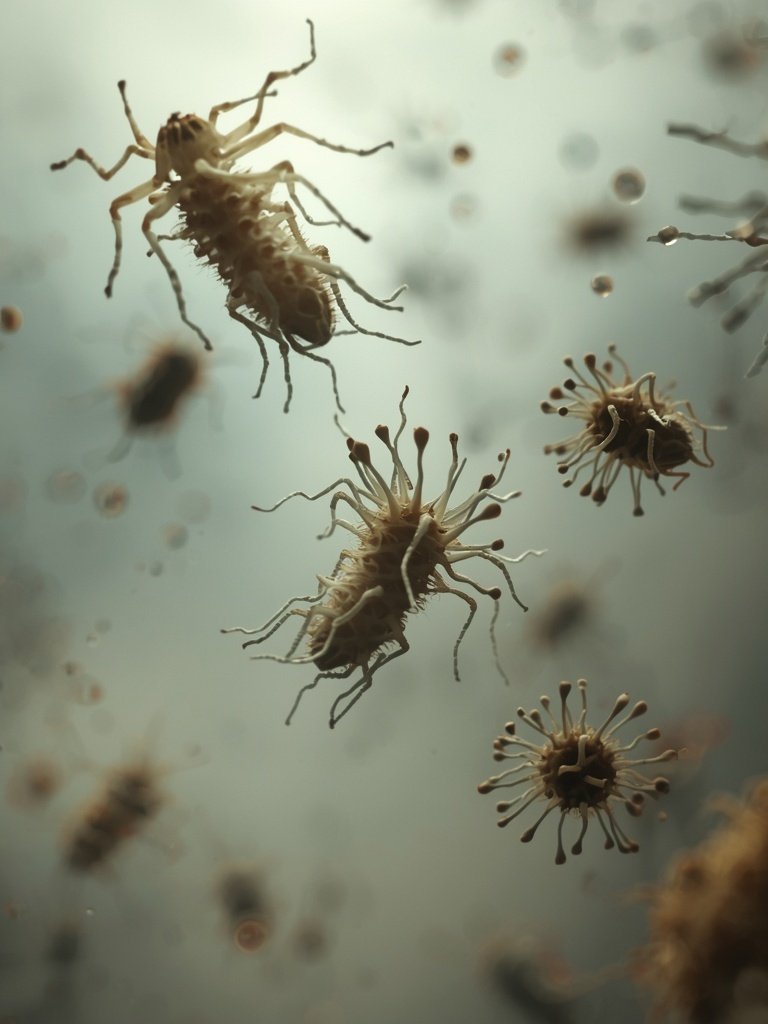
Table of Contents 6
Medical & Editorial Disclaimer (§3 Terms): This article is for informational and educational purposes only, does not constitute medical advice, diagnosis, or treatment, and is used at your own risk. Consult a qualified physician for medical conditions.
Upon entering the digestive tract, the parasite attaches to the intestinal lining, disrupting cellular junctions and causing microvillus atrophy. Pathophysiologically, this microvillar damage depletes essential brush-border enzymes, leading to acquired lactose intolerance and impaired absorption of dietary fats and key micronutrients. Advanced diagnostic approaches, including fecal antigen detection and molecular multiplex testing, overcome the limitations of intermittent parasite shedding. While targeted antimicrobial therapy successfully eradicates the organism, the underlying structural enteropathy requires specialized dietary rehabilitation to fully recover.
Practical nutritional management relies on a multi-phased recovery protocol featuring temporary exclusion of lactose to accommodate degraded enzyme activity, paired with a reduction in fermentable carbohydrates to alleviate distension and gas formation. Incorporating specific therapeutic probiotic yeasts supports mucosal healing and restores balanced intestinal microecology. Furthermore, rigorous personal hygiene, thorough sanitation of living spaces, and proper water purification remain vital lifestyle practices to prevent re-infection and protect household health.
Giardiasis is a widespread enteric parasitic infection caused by the flagellated protozoan Giardia intestinalis (syn. Giardia lamblia, Giardia duodenalis). Ingestion of robust environmental cysts triggers excystation within the duodenum, where motile trophozoites adhere to brush-border enterocytes via ventral adhesive discs. This induces microvillus atrophy, secondary disaccharidase depletion (acquired lactose intolerance), and fat malabsorption. This clinical monograph details transmission vectors, cutting-edge PCR/antigen diagnostics, antimicrobial pharmacotherapy, and dietary gut rehabilitation protocols.
Life Cycle Dynamics and Enterocyte Brush-Border Destruction
Biphasic life cycle kinetics and epithelial damage cascades:
- Biphasic Cycle: Ingestion of environmentally resilient cysts via contaminated water or food triggers gastric-acid and bile-mediated excystation, releasing paired flagellated trophozoites.
- Adhesion and Tight Junction Disruption: Trophozoites attach mechanically using ventral striated discs and secrete cysteine proteases that cleave occludin and zonula occludens-1, accelerating enterocyte apoptosis and blunting microvilli.
- Malabsorptive Consequences: Depletion of brush-border disaccharidases causes secondary lactose maldigestion, malabsorption of fat-soluble vitamins (A, D, E, K), and osmotic steatorrhea.
Clinical Manifestations: Acute Watery Diarrhea vs Chronic Malabsorption
Symptomatic spectrum from acute infection to protracted chronic sequelae:
- Acute Phase (1–2 Weeks Incubation): Explosive, watery, foul-smelling diarrhea devoid of gross blood, prominent abdominal distension, nausea, cramping, and classic sulfurous eructations.
- Chronic Malabsorptive Progression: Protracted episodic diarrhea, profound weight loss, chronic lethargy, nutritional deficiencies, and pediatric failure to thrive.
- Post-Infectious IBS Sequelae: Up to 40% of cleared patients suffer from persistent post-infectious irritable bowel syndrome (PI-IBS) and visceral hypersensitivity.
Diagnostic Modalities: Microscopic Coprology, Coproantigen ELISA, and Multiplex PCR
Evidence-based laboratory protocols establishing confirmed diagnosis:
- Intermittent Shedding Limitations: Cysts are shed intermittently; conventional microscopic examination mandates at least three stool specimens collected on alternate days to achieve 70% sensitivity.
- Fecal Antigen ELISA: Detects Giardia-specific stool antigens (e.g., GSA 65); yields >95% sensitivity and operates independently of intact cyst morphometry.
- Multiplex Real-Time PCR: Gold-standard sensitivity and specificity exceeding 98%; amplifies parasite DNA even in low-density colonization and identifies genotypic assemblages (A vs B).
Antimicrobial Eradication Therapy: Metronidazole, Tinidazole, and Albendazole
Guideline-endorsed antiparasitic treatment regimens:
- Tinidazole: First-line agent; single oral dose of 2 g in adults (50 mg/kg in pediatrics up to 2 g) achieves 90%–95% cure rates with superior compliance.
- Metronidazole: 250 mg to 500 mg three times daily for 5 to 7 days. High efficacy, though associated with metallic dysgeusia and disulfiram-like ethanol intolerance.
- Albendazole: 400 mg once daily for 5 consecutive days; demonstrates equivalent cure rates with milder gastrointestinal adverse events.
- Nitazoxanide: Broad-spectrum thiazolide agent deployed in refractory treatment failures.
Preventive Epidemiology: Breaking Fecal-Oral Transmission Chains
Rigorous infection control protocols interrupting re-exposure:
- Chlorine Resistance of Cysts: Giardia cysts survive standard municipal chlorination levels; wilderness water must be rolling-boiled for ≥ 1 minute or filtered through ≤ 1-micron absolute pores.
- Hand Sanitation: Strict handwashing with warm soap and water post-toileting, diaper changes, and prior to culinary handling.
- Domestic Sanitization: Hot laundering of bed linens and bath towels (> 60°C / 140°F) alongside veterinary screening of domestic household pets.
Dietary Rehabilitation Protocol: Lactose Elimination, Low-FODMAP, and Probiotics
Targeted nutritional protocol restoring post-parasitic intestinal architecture:
- Transient Lactose Elimination (4–8 Weeks): Brush-border lactase requires weeks to regenerate; total exclusion of lactose prevents ongoing osmotic diarrhea and cramping.
- Low-FODMAP Diet: Restricts fermentable short-chain carbohydrates to relieve gas, distension, and microbial fermentation in the damaged jejunum.
- Probiotic Therapy with Saccharomyces boulardii: Clinical trials confirm S. boulardii speeds parasite clearance, elevates secretory IgA, and restores brush-border disaccharidases.
- Epithelial Mucosal Repair: Supplemental L-glutamine, zinc carnosine, and omega-3 fatty acids rebuild epithelial tight junctions and mucosal thickness.
Want to apply these guidelines in your daily diet?
Our smart diet generator creates a tailored meal plan in 3 minutes based on the recommendations in this article.
Tags

mgr Felix Weber
• 23.10.2026Diets Premium Expert
Diets Premium team expert. Specializes in nutrition plans, strength sports, and training plans.