Fruit drink not always healthy: Current guidelines for children's juice consumption
Smart Voice
AITable of Contents 5
For generations, fruit juice was heralded as an essential dietary staple for young children, synonymous with wholesomeness and vital micronutrients. However, soaring global rates of early childhood dental caries, pediatric overweight, and metabolic disturbances prompted the American Academy of Pediatrics (AAP) and European pediatric societies to fundamentally revamp clinical guidance. This evidence-based guide outlines the revised pediatric juice recommendations, age-stratified volumetric limits, and actionable strategies for establishing optimal hydration habits.
Can fruit juice replace fresh produce? Updated guidance for parents of young children
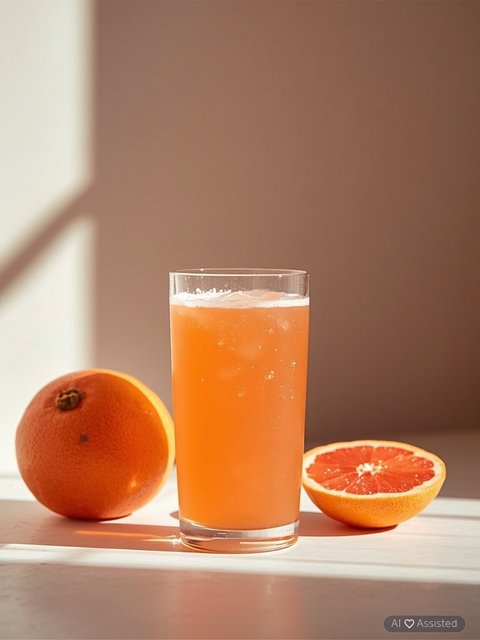
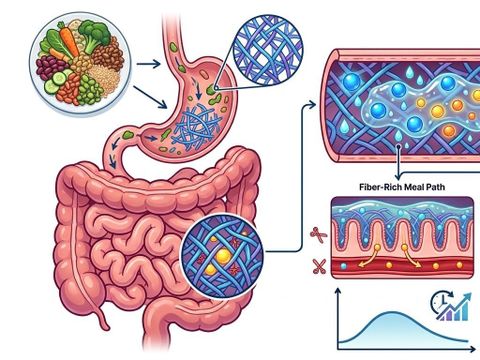
The American Academy of Pediatrics (AAP), alongside leading European pediatric gastroenterology and nutrition associations (such as ESPGHAN), has issued paradigm-shifting clinical policy statements redefining fruit juice consumption in pediatric care. Contrary to pervasive consumer perception, fruit juices—even 100% pasteurized varieties devoid of added sugar—are nutritionally inferior to whole, unprocessed fruit. While juices deliver ascorbic acid and potassium, mechanical extraction strips the fruit of dietary fiber, the critical component that tempers monosaccharide absorption, nurtures gut microbiota, and signals satiety.
The liquid matrix permits rapid, effortless ingestion of high-density simple sugars without requiring mastication. Consequently, frequent exposure to sweet fruit beverages predisposes children to heightened hedonic sweetness preferences, often displacing plain drinking water and nutritious, non-sweet vegetables. Pediatric consensus is categorical: fresh, sliced, or lightly mashed whole fruits should form the foundation of children's dietary fruit intake, whereas juices should be regarded as an occasional accompaniment rather than a routine hydration tool.
Age-stratified intake thresholds and quantitative limits established by the AAP
The AAP policy establishes unequivocal, age-stratified volumetric thresholds designed to safeguard gastrointestinal development and prevent pediatric adiposity:
- Infants under 12 months: Strict complete prohibition of fruit juice. Infants require exclusively human breast milk or infant formula during early life, with supplemental water introduced alongside complementary feeding after 6 months. Juice offers zero nutritional advantage to infants and displaces nutritionally critical milk fats and proteins.
- Toddlers aged 1 to 3 years: An absolute upper ceiling of 120 ml (4 ounces) of 100% juice daily, served strictly with meals rather than throughout the day.
- Children aged 4 to 6 years: Restricted to 120–180 ml (4 to 6 ounces) daily.
- Children and adolescents aged 7 to 18 years: Capped at a maximum of 240 ml (8 ounces, one cup) daily.
Crucially, all juice offered to children must undergo rigorous thermal pasteurization to neutralize potential pathogenic microbes such as enterotoxigenic E. coli or Salmonella. Pediatricians strongly proscribe offering juice via baby bottles or 'sippy cups', as continuous sipping bathes dentition in acid and simple sugars.
Metabolic and dental consequences: bottle caries, pediatric obesity, and osmotic diarrhea
Unregulated juice intake exposes pediatric patients to three well-defined clinical hazards frequently encountered in pediatric clinics. Foremost among these is early childhood caries (historically known as baby-bottle tooth decay). Protracted sipping from sippy cups or nursing bottles continuously bathes deciduous teeth in fermentable carbohydrates, providing ideal substrate for Streptococcus mutans biofilm proliferation. In combination with low pH (3.0–4.0), the enamel rapidly demineralizes, leading to aggressive decay that often necessitates restorative dental surgery under general anesthesia.
The second clinical complication encompasses gastrointestinal malabsorption. Juices derived from apples or pears possess high fructose-to-glucose ratios along with substantial sorbitol concentrations. Because the pediatric small intestine possesses limited fructose transporter (GLUT5) capacity, unabsorbed sugars transit into the large bowel, exerting an osmotic draw that precipitates chronic non-specific diarrhea ('toddler's diarrhea'), abdominal distention, and cramping. Lastly, excess liquid calories fail to induce satiety, directly contributing to excessive energy intake, pediatric obesity, and early-onset metabolic dysfunction.
Commercial market pitfalls: 100% juice versus nectars and fruit drinks – deciphering product labels
Commercial food marketing frequently targets parents with deceptive wellness claims, vibrant cartoon packaging, and prominent highlights of 'added vitamins'. Caregivers must master the clear regulatory boundaries distinguishing three distinct commercial categories:
- 100% Fruit Juice: Extracted exclusively from whole fruit, containing zero added sugars, sweeteners, chemical preservatives, or synthetic dyes. This represents the sole category permitted by pediatricians within strict volumetric limits.
- Fruit Nectar: Contains merely 25% to 50% fruit content, diluted with water and routinely sweetened with sucrose or high-fructose corn syrup.
- Fruit Beverage / Drink: Formulations containing minimal fruit content (frequently under 20%), composed predominantly of water, refined sugars, artificial flavorings, and acid regulators.
Fruit drinks and sweetened nectars possess zero clinical utility and should be entirely excluded from children's diets. Parents must critically inspect ingredient declarations, rejecting products with concealed caloric sweeteners and strictly avoiding unpasteurized 'fresh farm' juices that harbor significant foodborne infection risks.
Establishing lifelong hydration habits: guiding children toward water and wholesome fruit
Nutritional patterns established during early developmental windows construct metabolic baselines that persist into adulthood. Plain, potable water and unflavored milk must serve as the primary hydration sources across all pediatric life stages. When transitioning a child accustomed to habitual juice intake, abrupt elimination is often resisted; a practical pediatric strategy involves gradual dilution with plain water (initiating at 1:1, progressing to 1:4, and eventually transitioning to water infused with whole citrus slices or berries).
Whole fruits should be presented in appealing, accessible formats: crisp apple wedges, segmented oranges, fresh berries, or sliced melon. Engaging sensory mastication and tactile feedback teaches innate appetite self-regulation while supplying complete dietary fiber and phytonutrients. Establishing clear family boundaries—where fruit juice is reserved as an occasional celebratory treat rather than a casual beverage—safeguards pediatric dentition and metabolic longevity, instilling balanced relationships with food.
Want to apply these guidelines in your daily diet?
Our smart diet generator creates a tailored meal plan in 3 minutes based on the recommendations in this article.
Tags

Literatura:
Diets Premium Expert
Diets Premium team expert. Specializes in nutrition plans, strength sports, and training plans.