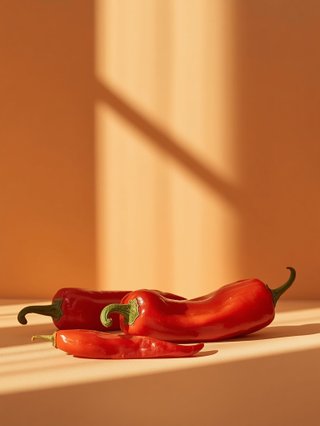
From mild jalapeño to scorching Carolina Reaper – the impact of fruits from the genus <i>Bell pepper</i> for our health
Table of Contents 11
Medical & Editorial Disclaimer (§3 Terms): This article is for informational and educational purposes only, does not constitute medical advice, diagnosis, or treatment, and is used at your own risk. Consult a qualified physician for medical conditions.
The physiological effects described across various chapters center around capsaicin, the primary compound synthesized by plants to deter predators, which selectively binds to sensory receptors responsible for thermal perception. This interaction triggers false burning signals and a complex cascade of neurophysiological responses. Different pepper varieties exhibit distinct concentrations of capsaicinoids, resulting in a wide spectrum of pungency levels, flavor profiles, and metabolic interactions that influence how the body responds to consumption.
To incorporate spicy foods safely into daily nutrition, practitioners recommend a gradual approach, allowing the palate and digestive system to adapt without distress. When handling extremely potent varieties, such as the Trinidad Moruga Scorpion or Carolina Reaper, protective equipment like gloves and eye protection should be employed to prevent severe mucosal irritation. Moderation and mindful preparation remain essential principles for enjoying the vibrant qualities of chili fruits while supporting overall well-being.
What gives chili peppers their heat? The biochemical role of capsaicin and its neurophysiological effects in humans
The Scoville scale: A historical and technical overview of capsaicin concentration measurement in chili peppers and derived products, from organoleptic origins to high-precision liquid chromatography
A comprehensive guide to the most intensely pungent chili pepper varieties globally – ranked by Scoville Heat Unit ascending order
Jalapeño Pepper: Profile and Culinary Applications
Serrano Pepper
Designation of Cayenne pepper: inclusion of the following specification for Scoville heat units and culinary applications
Habanero pepper: an exceptionally pungent, fruit-forward chili with Caribbean culinary prominence
Moruga Scorpion Pepper from Trinidad and Tobago: Record-Breaking Heat with Citrus Undertones
Carolina Reaper: The Unrivaled Scoville Champion of Capsicum
The physiological impact of consuming hot chili peppers: health benefits and associated risk considerations
The spicy phenomenon: Examining the cultural ascendancy of chili peppers in modern pop culture and associated socio-medical considerations
Over the past several years, chili peppers—particularly those of extreme heat levels—have emerged as a defining element of contemporary pop culture, capturing the attention of younger demographics with unprecedented intensity. Gastronomic challenges, most notably the widely disseminated "Hot Chip Challenge", which requires participants to consume snacks infused with exceptionally high concentrations of capsaicin, have achieved viral status across social media platforms. Equally prevalent are competitive eating events centered around the world’s hottest peppers, where contestants push their physiological limits to endure the burning sensation induced by capsaicin, the compound responsible for the heat sensation. These gatherings, whether organized as local community events or broadcast globally via online streams, attract legions of enthusiasts passionate about high-heat cuisine.
Within digital spaces, culinary content creators routinely produce and share videos documenting their attempts to sample the most scorching products available commercially—ranging from fast-food items to artisanal sauces boasting record-breaking Scoville ratings. These recordings, which frequently amass millions of views, frame extreme spiciness as a coveted and trendsetting culinary experience. However, it is critical to acknowledge that, despite the entertainment value of such content, there exists a pressing need to recognize the potential health hazards associated with the excessive consumption of ultra-spicy foods. Vulnerable groups—including children, adolescents, and individuals unaccustomed to pungent flavors—must exercise extreme caution, as participation in these challenges may lead to severe adverse health effects. Medical professionals and nutritionists strongly advise complete abstention from such activities for these demographics.
Want to apply these guidelines in your daily diet?
Our smart diet generator creates a tailored meal plan in 3 minutes based on the recommendations in this article.
Tags

mgr Tim Klein
• 25.11.2026Diets Premium Expert
Diets Premium team expert. Specializes in nutrition plans, strength sports, and training plans.